Klinogicare® PublicationsResearch review / Sports medicine
Myoglobin, cortisol and cardiac troponin in professional sport: what 2023–2026 research says about the hours after the load, the weeks of the season and the heart
Creatine kinase tells a medical team whether the muscle has finished repairing the last load. Three other blood markers answer the questions that come before and after it: myoglobin, which rises within hours of a session and separates a strain from soreness; cortisol, which tracks how the whole organism is carrying the season; and cardiac troponin, which the team physician reads when the heart, not the muscle, is the question. This review gathers peer-reviewed studies from 2023 to 2026 in professional football, basketball, handball, rugby, boxing, water polo, cycling, triathlon and marathon running, together with public reports from clubs and the press.
By Klinogicare® ResearchPublished 3 November 202631 min read · 80 referencesCite this article
Key messages
Myoglobin peaks within 1–3 hours of a match and is usually back to baseline the next morning, days before creatine kinase. A morning value above about 60 ng/mL in a player reporting muscle pain raised the odds of a confirmed strain 32-fold in professional footballers.
A single cortisol value says almost nothing. Read against the athlete's own morning baseline over consecutive days, with testosterone or the questionnaire alongside, cortisol is the strongest single blood predictor of overtraining risk found in 2025–2026 cohorts.
About one athlete in three has cardiac troponin above the laboratory limit after a hard session, more than half with high-sensitivity assays. Ten-year follow-up shows no lasting ventricular damage from these rises. Troponin is a physician's test for a clinical question, not a screening tool for readiness.
Capillary blood, saliva and point-of-care immunoassays now put all three markers at the training ground, which is where the sampling discipline that makes them interpretable has to live.
Research abstract and evidence base
Abstract
Background. Our November 2026 review established how creatine kinase (CK) is read in professional sport: individual baseline, fixed sampling windows, trend rather than number. CK answers one question. The questions that surround it, whether a player has torn muscle tissue this morning, whether the squad is carrying the season, and whether a symptomatic athlete's heart is involved, are answered by three other markers.
Evidence base. PubMed search for myoglobin, cortisol and cardiac troponin in athletes, team sports, endurance events and military training, 2023–2026: 861 records, 794 in humans; 52 studies cited, with public reports from clubs, analytics companies and the sports press.
Findings. Myoglobin in 15 professional footballers peaked two hours after a match and returned to baseline within 16 hours, tracking acceleration and deceleration load rather than running distance; in 30 professionals monitored for a season, a morning myoglobin above 60.3 ng/mL identified MRI-confirmed strains with 32-fold odds. The myoglobin-to-CK ratio (≥ 0.48) was the best supportive marker of kidney risk in 136 emergency patients with exertional rhabdomyolysis. Cortisol rises after every match and tournament, falls with recovery, doubles on competition mornings and after transmeridian travel, and in a 120-player academy cohort the testosterone-to-cortisol ratio was the single strongest predictor of overtraining (model AUC 0.94). Week-to-week cortisol does not follow training load in professional basketball; chronic load does correlate with it in professional football. Cardiac troponin exceeds the upper reference limit in 36% of athletes after exercise across 129 studies (58% with high-sensitivity assays), peaks at 3–6 hours, is highest in triathlon, cycling and running and lowest in contact sports; marathon-induced troponin T rises were not associated with ventricular function after 10 years, and high troponin responders had no more coronary atherosclerosis than low responders. Macrotroponin produced false-positive troponin I in half of athletes tested after COVID-19.
Practical conclusion. Myoglobin is the same-day marker of muscle damage and the first marker of the strain-versus-soreness question. Cortisol is a trend, sampled at a fixed clock time against the athlete's own baseline, and gains meaning next to testosterone and a recovery questionnaire. Troponin is ordered by a physician for symptoms, persistence beyond 72 hours or return-to-play after myocarditis, with isoform discrepancy as the clue to a laboratory artefact. Capillary point-of-care immunoassay makes all three available where the team is.
This article keeps that promise and widens it. The context has moved as well: on 9 November 2025, at the Professional Players Consultation Forum in Rabat, FIFA and more than 30 players' unions endorsed a principle of at least 72 hours of rest between matches and at least 21 days between seasons. Three days is exactly the window in which the Hungarian CK data showed the previous match still visible in the blood, and it is the window in which the three markers below do their work. They are now measured on the same class of instrument, a point-of-care immunoassay, and they answer three different questions:
Myoglobin: has this player damaged muscle tissue in the last hours, and is this morning's pain a strain or soreness?
Cortisol: how is the whole organism carrying the training block, the tournament, the travel and the season?
Cardiac troponin: when an athlete has symptoms, a viral illness or an exertional injury, is the heart involved, and when can they return?
The literature on these markers has grown quickly. A PubMed search for myoglobin, cortisol and cardiac troponin in athletes, players, team sports, endurance events and military training returned 861 records dated 2023–2026, of which 794 concerned humans. Cortisol dominates (575 records), followed by troponin (197) and myoglobin (109). Below are the findings that change how a medical or performance department should use each of them.
Section 02Myoglobin: the early signal of muscle damage
Myoglobin is a small oxygen-binding protein released from damaged muscle fibres. It leaves the cell faster than creatine kinase, is cleared by the kidney within hours, and therefore describes a different time window. Two Japanese studies in professional football map that window precisely.
In 15 male professional players sampled from a fingertip before a match and at 2, 16 and 40 hours after it (Saita et al., Journal of Sports Medicine and Physical Fitness, 2023), myoglobin measured on a compact immunoassay analyser at the training ground was significantly elevated at 2 hours and had returned to baseline by 16 hours. Creatine kinase rose after the same match but did not reach significance in the same window. The myoglobin response correlated with acceleration and deceleration metrics from GPS, not with sprint or high-speed running distance: the marker follows the braking and turning that damage fibres, not the kilometres.
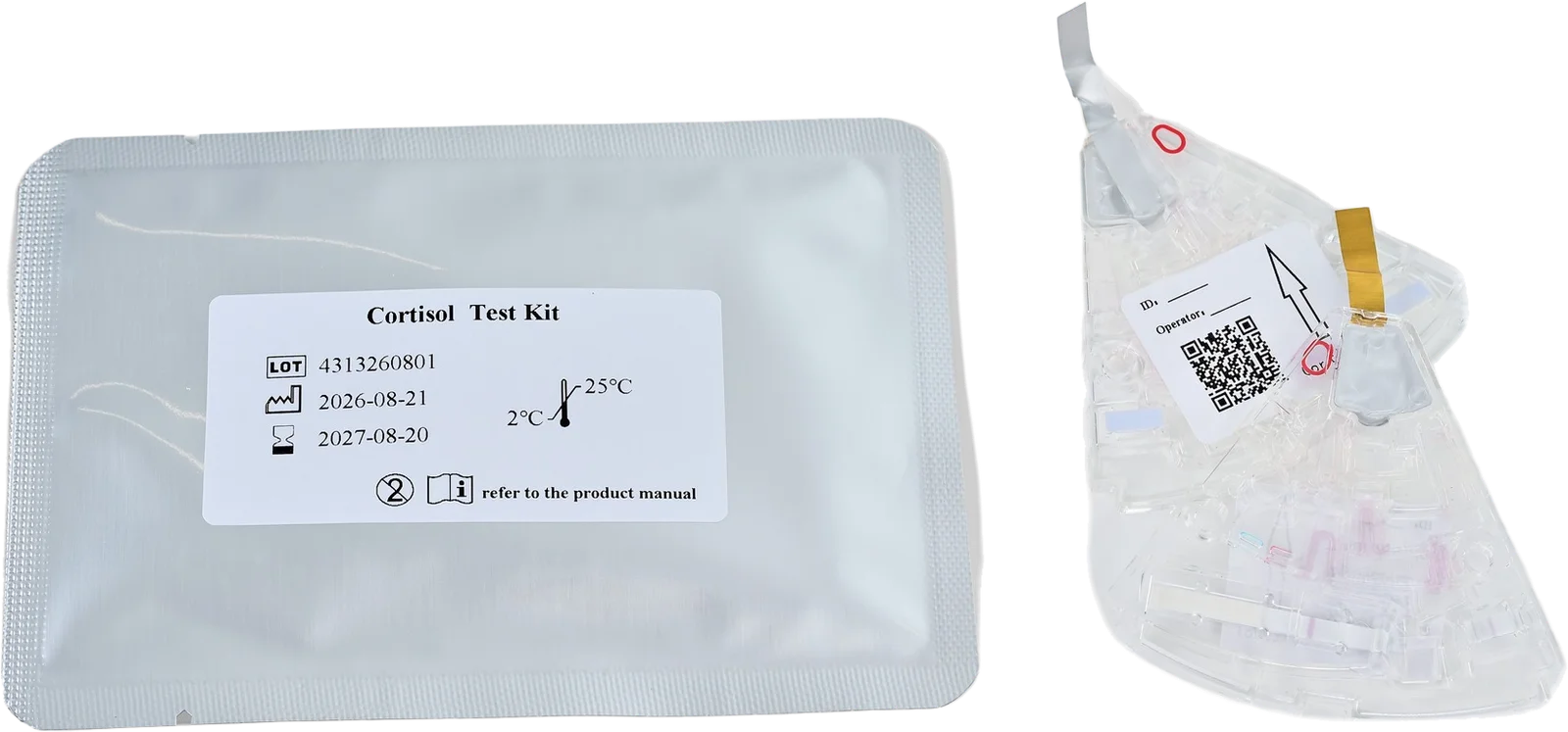
Single-use immunoassay disc and sealed pouch: one capillary sample of 50 microlitres per disc, one marker per run, at the training ground.
The second study turns kinetics into a decision. Thirty professional footballers were followed for a season (Saita et al., Journal of Sports Medicine and Physical Fitness, 2025); whenever a player reported muscle pain, myoglobin was measured the next morning and the player was examined clinically and by MRI. The nine players with a confirmed strain had a mean myoglobin of 124 ± 88 ng/mL; the 15 with soreness or cramps, 50 ± 30 ng/mL. A cut-off of 60.3 ng/mL from ROC analysis separated the groups, and a value above it was associated with a 32-fold increase in the odds of a strain. The authors' point is practical: the morning blood test tells the player and the medical team which complaint needs imaging and which needs a lighter session.
Three further 2025–2026 studies place myoglobin inside the broader picture of recovery:
In 22 elite outfield players tested with capillary blood around a standardised 90-minute match (Du et al., Metabolites, 2026), IL-6 and cortisol rose immediately after the match, whereas CK, LDH, myoglobin and soreness peaked later and were still above baseline at 48 hours. Jump and sprint recovered by 48 hours; maximal voluntary contraction was worst at 24 hours. The kinetics of myoglobin depend on the load and on when you look: the 2023 cohort was back to baseline by 16 hours after a league match, the 2026 cohort was still elevated at 48 hours after a standardised match with repeated maximal efforts.
In 12 players of the Israeli Football League (Frank et al., Journal of Strength and Conditioning Research, 2025), the first full-contact American football practice raised myoglobin immediately, and peak force and rate of force development were still impaired 36 hours later. The pre-practice testosterone-to-cortisol ratio correlated with the recovery of rate of force development (r = 0.70): the hormonal state going into the session shaped how fast the muscle came back.
Across a full professional soccer season (Oliveira-de-Souza et al., Sports Medicine, 2026), a systemic degree of perturbation score built from biochemical, haematological and metabolic markers rose progressively from quarter to quarter, and myoglobin and monocyte-related markers were the consistent contributors. In semi-professional players, myoglobin rose from pre-season start to mid-season with a large effect (Cohen's d = 1.50; Mylonis et al., Journal of Functional Morphology and Kinesiology, 2025), and in a pre-season natural experiment, players with more friendly-match minutes finished with higher myoglobin, hs-CRP, IL-6 and TNF-α alongside better sprint, power and aerobic markers (Bourdas et al., Experimental Physiology, 2026). More match play buys adaptation and costs inflammation; myoglobin is one of the receipts.
The marker behaves the same way outside football. A meta-analysis of amateur boxing (Finlay et al., European Journal of Sport Science, 2023) found large pre-to-post increases in myoglobin (standardised mean difference 1.43) and cortisol (1.33) and only a moderate increase in CK (0.65), larger in competitive bouts than in sparring. In 32 army paratrooper cadets followed through six sampling points of a course (Augusto et al., Journal of Functional Morphology and Kinesiology, 2025), CK, CK-MB, myoglobin and LDH rose in proportion to perceived exertion, and carriers of the ACTN3 R allele showed slightly larger myoglobin and CK responses at the hardest moments. Part of the between-athlete difference is inherited, as it is for CK.
Two points govern interpretation. First, the reference range is individual. In 30 athletes sampled monthly for 11 months (Beumer Prieto et al., Clinical Chemistry and Laboratory Medicine, 2025), myoglobin and CK-MB were higher in men than in women, physical activity in the 24 hours before sampling changed myoglobin, CK-MB and high-sensitivity troponin I, and the biological-variation estimates showed high individuality, meaning that a population range is a poor yardstick and the athlete's own baseline is the right one. Second, the classical markers are indirect. A 2026 review in Tissue & Cell (Özdemir and Demir) places CK, LDH and myoglobin as indicators of sarcolemmal permeability with substantial inter-individual variability, and lists skeletal-muscle troponins, titin fragments and desmin as the structural markers that will eventually add resolution. For a team today, myoglobin is the fastest of the available signals.
Section 03Myoglobin and kidney risk in exertional rhabdomyolysis
Every muscle-damage programme is also, quietly, a screen for exertional rhabdomyolysis, and myoglobin is where the kidney risk sits. The diagnosis is clinical: severe muscle pain, weakness or dark urine after exercise together with a marked CK rise, conventionally at least five times the upper reference limit. Myoglobin is the molecule that injures the kidney.
The first prospective multicentre cohort (Vangstad et al., BMJ Open Sport & Exercise Medicine, 2026) followed 136 emergency-department patients in Oslo and Akershus with exercise as the trigger, 78% after strength training. Patients entered the study when CK was 5,000 U/L or higher or myoglobin 1,000 ng/mL or higher; these were entry criteria for a cohort of severe cases, not diagnostic cut-offs. Five (4%) developed acute kidney injury, all with raised creatinine on admission, and no patient with a normal admission creatinine progressed. Among the muscle-injury markers, a myoglobin-to-CK ratio of 0.48 or higher performed best as a supportive marker of high risk (99% specificity). The same-day pairing of myoglobin with CK and creatinine is what separates a routine post-match elevation from an emergency.
The case-level literature says where the condition lives. A systematic review of published athlete cases through December 2025 (AlHumaidan et al., Cureus, 2026) pooled 65 patients: median peak CK 55,000 U/L, myoglobinuria documented in 89%, acute kidney injury in 75% and dialysis in 22%, with complete renal recovery in 95%. Recreational, school and college athletes outnumbered professionals (5%). An earlier systematic review of 25 studies and 772 patients (Bäcker et al., Clinical Journal of Sport Medicine, 2023) found a mean age of 29, running and marathons in 54% of cases and weightlifting in 15%, and a mean CK at presentation of 31,481 U/L; the authors' recommendation is to screen anyone with muscle soreness, cramps or dark urine after heavy endurance events. In 17 NCAA Division I American football players sampled after two preseason scrimmages (Brandhurst et al., Journal of Clinical Medicine, 2026), serum myoglobin correlated with CK (r = 0.57) and urine myoglobin was measured alongside; no one developed rhabdomyolysis, and the authors propose the serial pattern as the way to catch an abnormal response early.
The public cases we described in the CK review, the Tufts University workout after which 24 of 61 students were diagnosed with rhabdomyolysis, and the cricketer Tilak Varma's hospitalisation, belong here too: the dangerous session is the unaccustomed one, and the window to act is measured in hours. A 2026 narrative review (Dean et al., PM&R) adds a warning for the team physician: cardiac troponin can also rise in exertional rhabdomyolysis and exertional heat illness, and in those states it cannot be read the way it is read after a clean endurance effort (Section 08).
Section 04Cortisol after the match: what a single rise means
Cortisol is the end product of the hypothalamic-pituitary-adrenal axis. It rises with any sufficient stressor, physical or psychological, mobilises fuel and suppresses anabolic signalling, and it is the most measured hormone in sport. A systematic review of 108 studies in indoor court-based team sports (Clark et al., PLoS One, 2025) found cortisol the most frequently examined fatigue marker (43 studies), ahead of CK (28), countermovement jump (26) and testosterone (23). A scoping review of saliva in soccer (Ferreira et al., PeerJ, 2024) counted 93 articles, 53 of them on cortisol.
The acute response is reliable. In professional male basketball players sampled eight times across a simulated game (Cabarkapa et al., Journal of Strength and Conditioning Research, 2023), salivary cortisol rose from 6.7 nmol/L at baseline to 16.2 nmol/L after the third quarter and was still 11.9 nmol/L an hour after the final buzzer, while the testosterone-to-cortisol ratio was significantly lower at 30 and 60 minutes post-game. In 19 players of an elite European club followed over nine competitive fixtures (Morgans et al., Frontiers in Physiology, 2024), salivary cortisol was higher 30 minutes after the match than the day before or an hour before kick-off, starters carried higher cortisol than non-starters, and the response was shaped by the result. A match is a stronger stimulus than training of the same duration: in handball players, post-match salivary cortisol was double the post-training value (0.65 vs 0.32 µg/dL; Nikolovski et al., Sports, 2023). In elite under-18 footballers, blood cortisol rose from 10.8 to 19.2 µg/dL across a friendly match while CK rose from 517 to 714 U/L (Fornaziero et al., Sports, 2023).
The cortisol rise is also short-lived. In 13 amateur players after an official match (Marqués-Jiménez et al., Journal of Functional Morphology and Kinesiology, 2025), testosterone, cortisol and their ratio were back to baseline between 24 and 48 hours while CK was still elevated at 48 hours and jump height still impaired: a normal cortisol the next morning does not mean the muscle has finished repairing. Training moves it too, not only matches. In 36 under-21 players of two Belgian professional clubs (Ligtenberg et al., British Dental Journal, 2026), a regular 2.5-hour session raised salivary cortisol, ammonium and protease activity, an acute response to an exposure rather than a verdict on anyone's state.
Tournaments compound it. After four consecutive matches of a university qualification tournament, female handball players showed significant rises in cortisol, insulin, IL-6 and CK and falls in testosterone and IGF-1 (Pancar et al., Life, 2026): the anabolic-catabolic balance had tipped under cumulative match stress. Systematic reviews in basketball (Pernigoni et al., Journal of Sports Sciences, 2024; Brini et al., Frontiers in Physiology, 2025) describe the same sequence: cortisol up at match end, testosterone-to-cortisol ratio down, muscle damage and inflammation peaking at 13–72 hours.
The most detailed acute picture comes from Serie A. In 27 elite outfield players sampled before and after predefined low-, moderate- and high-load sessions, with 26 steroids quantified by mass spectrometry (Ponzetto et al., Sports Medicine, 2026), high-load sessions produced marked increases in free glucocorticoids and unconjugated androgens, the testosterone-to-androstenedione ratio fell after moderate and high loads, and players who rated the session 4 or more on the exertion scale showed the largest endocrine perturbations. The steroid profile is a load-sensitive instrument, and recent training must be known before any single value is read, which is why the study is framed around the athlete biological passport as much as around monitoring.
A single post-match cortisol value therefore confirms what the GPS already knows: the player worked hard. The information is in the comparison, between this match and the player's usual response, and between cortisol and its anabolic counterpart.
Section 05Cortisol across the season: the testosterone-to-cortisol ratio and overtraining
Across a season, cortisol and testosterone move in opposite directions under accumulated load, and the ratio between them has become the standard summary. A 2025 narrative review (Mondal et al., Indian Journal of Endocrinology and Metabolism) lists the testosterone-to-cortisol ratio as useful for predicting overtraining and timing peak performance, and states what every team should know: no definitive threshold has been established. The ratio is read as an individual trend, not against a cut-off.
Four cohorts from 2024 to 2026 show what the trend carries:
In 24 professional footballers sampled in comparable microcycles of the first and second half of a season (Curzi et al., PLoS One, 2024), salivary testosterone was lower and cortisol higher in the second half, before, after and 24 hours after the same weekly conditioning session. Chronic workload over the previous 28 days correlated with cortisol (r = 0.45) and inversely with the testosterone-to-cortisol ratio (r = −0.59); acute 7-day load did not. In professional football, it is the accumulated month, not the last week, that sets the hormonal state.
In 189 elite male handball players followed for 45 weeks with weekly stress and load reports and blood sampled five times (Drole et al., Frontiers in Psychology, 2024), perceived stress correlated with cortisol and inversely with the free-testosterone-to-cortisol ratio at the group level, but weakly (r = 0.10 to −0.20). At the individual level, 78% of athletes showed a positive stress-cortisol association and 63% a negative ratio-load association, with moderate to strong associations in roughly half of them. The hormone and the questionnaire agree in most players and disagree in some, and the team needs to know which player is which.
In 120 academy players followed through a season (Qian and Lee, Journal of Sports Sciences, 2025), a random-forest model combining bi-weekly blood markers, questionnaires and GPS load predicted overtraining risk with an AUC of 0.94. The strongest single predictor was the testosterone-to-cortisol ratio (feature importance 0.89), ahead of the recovery-stress questionnaire balance (0.83) and the acute-to-chronic workload ratio (0.78). A model without blood markers still reached 0.89.
In 39 NCAA Division I American football players across a 15-week season (Aychman et al., Frontiers in Physiology, 2026), starters with higher testosterone-to-cortisol ratios reported less soreness and better sleep, non-starters showed greater physiological strain despite lower external load, and mid-season declines in jump performance coincided with biomarker changes consistent with non-functional overreaching. The IL-6-to-cortisol ratio was proposed as a complementary, non-invasive fatigue signal.
Outside men's team sport the counterweight is stronger. In 15 Division I female lacrosse players sampled every week of a 12-week season (Carter et al., International Journal of Exercise Science, 2023), morning salivary cortisol showed negligible correlations with weekly workload and with wellness scores, both of which varied week to week with the fixture list. A marker that responds within a match can fail as a weekly workload gauge, and thresholds derived from male football cohorts do not transfer to female athletes without validation.
Two professional basketball studies set the counterweight. Across a five-week pre-season in 21 professional players (Kamarauskas et al., Biology of Sport, 2023; Journal of Strength and Conditioning Research, 2024), testosterone and the testosterone-to-cortisol ratio rose toward the end of the block, as planned, but weekly changes in external and internal load explained less than 8% of the variance in weekly hormone changes, and hormones related only weakly to well-being. The authors' conclusion is the right one: load measures cannot be used to anticipate weekly hormonal responses, which is an argument for measuring, not for skipping the measurement. A meta-analysis of fatigue testing in professional rugby union (Grainger et al., Sports Medicine, 2024) reached the same place from the other side: cortisol rose and testosterone fell in the 24 hours after match play, with large but statistically uncertain effects because of between-study variability.
The 2024 systematic review that our May article relied on (Soler-López et al., Sensors) summarises the field: professional team sport alters muscle-damage, anabolic-catabolic, inflammatory and immune markers in measurable ways, more after official matches than after training, with recovery from 24 hours to several days; CK, testosterone, cortisol, their ratio and salivary IgA are the key markers, and psychological stress should be monitored alongside. The BASE framework from the 2026 Metabolites review (Muñoz-López et al.) applies to cortisol as it does to CK: individual baseline, analytical standardisation, sport-specific context, evidence of functional change.
Section 06Cortisol confounders: clock time, competition morning, travel, sleep, energy
Cortisol is the most confounded routine marker in sport, and the confounders are known.
Clock time. Cortisol is highest in the first hour after waking and falls through the day. A 2026 reference-interval study (Arslan and Hoffmann, Clinical Chemistry and Laboratory Medicine) found the highest morning concentrations between 08:00 and 08:45 and in adults aged 18–35, and recommended intervals stratified by age and collection time. Two samples taken at different times of day are not comparable.
Competition morning. The cortisol awakening response, the rise in the 30 minutes after waking, is an anticipatory signal. In 190 elite athletes from seven sports sampled on a competition day and a rest day (Jiménez et al., Psychoneuroendocrinology, 2026), the awakening response was 82% on competition mornings against 25% on rest days, with no difference between individual and team sports. In 52 elite female field hockey players at the Spanish Championship Cup (García-Bastida et al., Stress and Health, 2026), players who went on to lose had a higher awakening response than those who won, and higher post-competition cortisol. In 29 elite rugby players sampled on four consecutive mornings (Crewther et al., Biology of Sport, 2025), the awakening responses of cortisol and testosterone showed poor day-to-day stability, which is why a baseline needs several mornings, not one. And in 20 national-level boxers through an official bout (Bayram et al., BMC Sports Science, Medicine and Rehabilitation, 2026), testosterone peaked mid-competition and cortisol after it, while anxiety scores followed their own course with no association to either hormone: the blood and the questionnaire are complementary, not interchangeable.
Travel. A 2026 systematic narrative review of 89 studies (Benito et al., Sports) found sleep disturbance, hormonal shifts, reduced performance and mood changes after long-haul travel, worse eastward for circadian disruption and westward for fatigue, and named heart-rate variability, sleep and cortisol as the markers to monitor. In 43 female collegiate volleyball players crossing time zones through a 15-week season against 26 non-travelling teammates (Gotshalk et al., International Journal of Exercise Science, 2026), salivary cortisol doubled from 13 to 26 nmol/L, resting heart rate rose from 57 to 64 beats per minute and blood pressure rose. Even a simulated 2- or 4-hour flight cost highly trained footballers 3.5% in repeated-sprint ability and 6% in 10-metre sprint the next day, with lower salivary IgA and shorter sleep the night before (Stergiopoulos et al., Scandinavian Journal of Medicine & Science in Sports, 2025).
Sleep and load. In eight elite water polo players preparing for the Tokyo Olympics (Botonis and Toubekis, International Journal of Sports Physiology and Performance, 2023), a residential camp raised internal load, sleep interruptions and post-awakening salivary cortisol together; after the camp, workload and cortisol fell and sleep efficiency recovered, but two players developed illness. In female university footballers, hair cortisol, which integrates weeks of exposure, correlated with self-reported training load where psychological questionnaires did not (Sato et al., European Journal of Applied Physiology, 2024), while in a second cohort hair cortisol tracked academic stress and vigour rather than training load (Ohara et al., Frontiers in Sports and Active Living, 2025). A 2025 call to arms on athlete burnout (Moore et al., International Journal of Sports Medicine) names bedtime salivary cortisol and resting vagal heart-rate variability as the most promising physiological markers.
Energy availability. Short-term severe low energy availability raises cortisol alongside suppressed protein synthesis, lower IGF-1 and direct losses in sprint, power and endurance performance (Jeppesen et al., Scandinavian Journal of Medicine & Science in Sports, 2025). In elite male Gaelic footballers, 28–38% reported low energy availability across the season, and while cortisol and testosterone stayed within normal ranges, salivary IgA fell with energy availability (McGuire et al., European Journal of Nutrition, 2023). A cortisol rise in a player who is also losing weight has a different cause than the same rise in a player on a congested schedule.
Saliva or blood. The 2025 basketball systematic review of 42 studies (Brini et al.) found that salivary cortisol consistently reflected the acute post-match response and aligned closely with blood, whereas salivary testosterone sometimes diverged from blood and needs standardised protocols. In 19 professional footballers, serum and salivary cortisol correlated significantly around a cardiopulmonary exercise test (Honceriu et al., Medicina, 2023). Saliva depends on flow rate, timing, oral contamination and normalisation (Pang, Biomedical Chromatography, 2026); capillary blood on a point-of-care immunoassay removes the matrix question and keeps the sample under the medical team's control. The two matrices are not interchangeable in numbers: a salivary reference value from a published football study cannot be copied into a whole-blood report, and a team that switches sample type, assay or clock time between measurements will mistake a procedural difference for a change in the athlete. Either way, the rule from the 93-article soccer scoping review stands: most studies did not report their collection protocol, and a club that wants interpretable numbers has to write its own.
Section 07Cardiac troponin after exercise: how common, how high, how long
Cardiac troponin is the marker of myocardial injury and the diagnostic criterion for myocardial infarction. It also rises after exercise in healthy athletes, and the 2026 literature has finally measured how often.
Athletes above the troponin upper reference limit after exercise, %
Group
Share
Triathlon
49%
Running
41%
Cycling
40%
All athletes
36%
Walking
8%
Contact sports
6%
Figure 1. Share of athletes with cardiac troponin above the assay’s upper reference limit after exercise, by sport. Source: Stekelenburg et al., European Journal of Preventive Cardiology, 2026 (129 studies, 7,289 athletes); 36% overall, 58% with high-sensitivity assays.
A systematic review, meta-analysis and meta-regression of 129 studies and 7,289 athletes (Stekelenburg et al., European Journal of Preventive Cardiology, 2026) found troponin above the assay's upper reference limit in 36% of athletes after exercise (range 2–98% between studies). The prevalence was higher with high-sensitivity assays (58% vs 26%), with troponin T than troponin I (45% vs 30%), and in middle-aged athletes; sex and training status made no difference. Endurance sports led: triathlon 49%, running 41%, cycling 40%; contact sports 6% and walking 8%. The relationship with duration was non-linear, peaking at 52% after 3–6 hours of exercise. A second meta-analysis of 69 marathon studies and 3,274 participants (Laily et al., BMJ Open Sport & Exercise Medicine, 2026) quantified the rise: troponin T +42 ng/L, troponin I +77 ng/L and NT-proBNP +114 ng/L after the race, with transient reductions in right-ventricular systolic and left-ventricular diastolic function on echocardiography.
Intensity drives it more than volume. In 12 amateur cyclists who completed both a 1-hour and a 6-hour maximal trial (Legaz-Arrese et al., Journal of Science and Medicine in Sport, 2025), peak high-sensitivity troponin T was higher after the 1-hour trial, the reference limit was exceeded in 83% of riders after 1 hour and 42% after 6 hours, the peak came at 3 hours, and post-exercise values correlated with relative intensity (r = 0.91 for the 1-hour trial). In 93 finishers of the Norseman Xtreme Triathlon (Bonnevie-Svendsen et al., BMJ Open Sport & Exercise Medicine, 2026), troponin I rose from 3 to 69 ng/L and troponin T from 6 to 40 ng/L within an hour of finishing, and both trended toward normal the next day. In 17 middle-aged men running their first marathon (Laily et al., Open Heart, 2025), troponin T exceeded the clinical limit in every participant, while cardiac MRI showed no signs of myocardial injury and every change was transient.
Team sports produce the same signal at lower frequency. In 34 competitive rugby players examined two days before and within an hour after a match (Radic et al., Journal of Clinical Medicine, 2025), 22 of 31 echocardiographic parameters changed, and the players with a troponin I rise showed larger left-ventricular volumes afterwards. In 112 veteran footballers aged about 51 (Egger et al., PLoS One, 2024), 29% had troponin I above 5 ng/L after a match; at follow-up 4 months later, cardiac abnormalities were found in 10% of those examined, equally split between troponin-positive and troponin-negative players, and the authors conclude that routine determination of cardiac biomarkers is unlikely to improve cardiovascular screening.
Even without competition, elite athletes carry troponin. In 219 national-team athletes tested at routine sports-medical examinations (Wuestenfeld et al., International Journal of Molecular Sciences, 2024), 9.2% had troponin I above the reporting threshold with normal troponin T, 0.9% the reverse and 2.3% both, with no cardiovascular differences between groups. The authors' practical conclusion: for ruling out cardiac damage in high-performance athletes, troponin T is the more reliable of the two.
Section 08Troponin in the physician's hands: benign rise, real disease and laboratory artefact
The question that matters to a team is whether the post-exercise rise means anything. The 2025–2026 evidence answers in three parts.
The rise itself is benign in the long run. The Pro-MagIC cohort (Schindler et al., JAMA Cardiology, 2026) followed 152 male recreational marathon runners for 10 years. Right-ventricular ejection fraction fell from 52% before a race to 48% immediately after, recovered by day 3 and was 52% a decade later; the post-marathon troponin T increase showed no association with right- or left-ventricular function at 10 years. In the largest study of the mechanism (Janssen et al., Journal of the American College of Cardiology, 2025), 1,011 long-distance walkers, cyclists and runners with a median age of 56 were tested before and after exercise, and 68 high troponin responders and 34 low responders underwent cardiac CT: the prevalence and magnitude of coronary atherosclerosis did not differ, so most of the between-athlete variation in exercise-induced troponin is not explained by hidden coronary disease. The molecule even looks different: after a marathon, only a small fraction of circulating troponin T is intact or long-form, whereas in myocardial infarction the intact fraction rises with the total (Airaksinen et al., Open Heart, 2024). A 2026 review (Wu et al., Frontiers in Physiology) draws the clinical line: exercise-induced elevations in asymptomatic athletes are benign and temporary; a rise that persists beyond 72 hours, or any symptomatic presentation, warrants investigation.
Context changes the reading. In exertional rhabdomyolysis and exertional heat illness, troponin elevation sits inside systemic metabolic stress, skeletal-muscle injury and, in heat illness, direct thermal injury; the benign-endurance paradigm should not be extrapolated, and interpretation requires the clinical context, the isoform, the kinetics, the ECG and imaging (Dean et al., PM&R, 2026). A step-by-step algorithm for troponin rises in athletes in ischaemic and non-ischaemic circumstances is set out in a 2025 review (Celeski et al., Monaldi Archives for Chest Disease), and return to play after myocarditis still requires troponin to have normalised.
The artefact is common. Macrotroponin, a complex of troponin I with the athlete's own anti-troponin antibodies, produces persistent, kinetics-free elevations on some troponin I assays. Among 35 healthy athletes undergoing post-COVID-19 check-ups (Hammerer-Lercher et al., Clinical Chemistry and Laboratory Medicine, 2025), 18 had elevated troponin, mostly troponin I, none had myocarditis on ECG, echocardiography or cardiac MRI, and macrotroponin was confirmed in 16 of the 18. In 12 asymptomatic athletes who had clinically recovered from myocarditis but still showed troponin I between 35 and 951 ng/L (Wernhart et al., American Heart Journal Plus, 2026), polyethylene-glycol precipitation showed macrocomplexes in 12 of 13 samples, and the authors propose the test to avoid unnecessary exclusion from sport. The case of a 27-year-old professional cyclist with exercise intolerance after a viral illness, markedly elevated high-sensitivity troponin I and normal troponin T, resolved the same way and the rider was cleared (Popelier et al., European Heart Journal Case Reports, 2026). The clue is the discrepancy between the two isoforms. An analyzer that can run both troponin I and troponin T gives the physician that comparison on site.
Two further points belong to the team physician. Recent physical activity changes high-sensitivity troponin I within 24 hours of sampling (Beumer Prieto et al., 2025), so a troponin drawn the morning after a match answers a different question than one drawn on a rest day. And the marker is moving toward non-invasive formats: in 82 runners, point-of-care troponin I measured in saliva tracked serum across a 5-km time trial, peaking at 4 hours and returning to baseline at 24 hours (Ovchinnikov, Scientific Reports, 2025).
Section 09Public traces: how clubs run hormones and proteins in 2025–2026
The public record shows the same direction as the literature: towards frequent, small-sample testing near the pitch, with hormones and proteins joining the clinical chemistry panel.
The same month, Training Ground Guru described how Orreco works with Newcastle United and with NBA and NFL teams, and how it worked at Liverpool: full venous panels of more than 50 biomarkers across oxygen transport, immunology, biochemistry, hormonal drive, nutrition, muscle damage and inflammation four or five times a season, and a 140-microlitre finger- or ear-prick test several times a week, at Liverpool on the first and second day after matches, to give "an understanding of the stress and recovery capacity of the athlete multiple times per week".
A July 2026 review of point-of-care testing in elite football (POCTIFY) lists lactate, CK, CRP, hydration, blood gases, electrolytes and glucose as the markers clubs run at the point of care, and places hormones, with iron studies and vitamin D, in the central laboratory. That is the gap the immunoassay analyzers described in Section 10 close.
The pressure behind the testing is public too. FIFPRO's 2024/25 men's player-workload report describes overlapping competitions, travel and shrinking recovery windows, and on 9 November 2025 FIFA and more than 30 players' unions endorsed, in Rabat, the principle of at least 72 hours of rest between matches and a rest period of at least 21 days between seasons. Neither document sets a biomarker threshold; both describe the calendar that makes same-week measurement of muscle damage and stress load a medical-department task rather than a research project.
The troponin evidence reached the general press. Medical Dialogues reported the JAMA Cardiology 10-year marathon cohort on 16 December 2025 under the headline that acute troponin T elevation was not tied to reduced right-ventricular function, and News-Medical covered the BMJ Open Sport & Exercise Medicine meta-analysis on 11 June 2026, quoting the authors that the post-race rises are "likely to represent predominantly physiological responses" and that their clinical significance "remains uncertain". Both are the right summary for a club doctor fielding a question from a worried player.
Section 10How teams organise myoglobin, cortisol and troponin testing in practice
The 2023–2026 evidence supports a protocol that a club doctor or national-team physiologist can run alongside the CK protocol from our November review. Each marker has its own question, its own sampling window and its own owner.
Table 1. Three markers, three questions
Marker
Rises
Peaks
Back to baseline
Question it answers
Who reads it
Myoglobin
Within 1–2 hours of the load
About 2 hours after a professional match; later after repeated maximal efforts
16–48 hours, days before CK
Has muscle tissue been damaged, and is this morning’s pain a strain or soreness? With CK and creatinine: is this rhabdomyolysis?
Medical team; physician when CK is in the thousands
Cortisol
During the match or hard session
End of the match to 30 minutes after; highest on competition mornings
24–48 hours after a match
How is this athlete’s stress axis carrying the block, against their own clock-matched baseline and next to testosterone?
Physiologist and physician, with the recovery questionnaire
Cardiac troponin
Within hours of intense exercise
3–6 hours
24–72 hours
Has the heart released protein, and does the isoform pattern mean injury or artefact?
Physician only, with symptoms, ECG and imaging
Myoglobin: the morning-after decision. Sample at 1–3 hours after the session when the question is the size of the muscle-damage response and its link to acceleration and deceleration load, and the next morning when a player reports pain and the question is strain or soreness. Read against the player's own baseline; the 60 ng/mL threshold from professional football is a starting point to be re-derived on the team's own assay. Pair it with CK and creatinine the same day whenever CK is in the thousands: the myoglobin-to-CK ratio and the admission creatinine are the two numbers that decide between a lighter week and an emergency department.
Cortisol: a fixed clock, several mornings, a partner. Sample at the same time of day every time, ideally at waking and 30 minutes after, or at a fixed pre-training slot; build the baseline over several consecutive rest-day mornings because the awakening response is unstable day to day; record travel, sleep, illness, weight loss and competition-day status as design variables. Express the result as a change from the athlete's own baseline and alongside testosterone, so that the ratio can be followed, and alongside the recovery-stress questionnaire, because in most players the two agree and in some they do not. A single value is never the basis of a decision; a trend across the block is.
Troponin: the physician's order. Measure when a question exists: chest symptoms, exercise intolerance after a viral illness, return to play after myocarditis, an exertional heat illness or rhabdomyolysis, or a post-exercise rise that has not fallen by 72 hours. Note the time since the last session, run both isoforms where possible, and treat a high troponin I with a normal troponin T as a prompt to test for macrotroponin before anyone is restricted. Troponin does not indicate readiness to train and should not be run as a readiness screen.
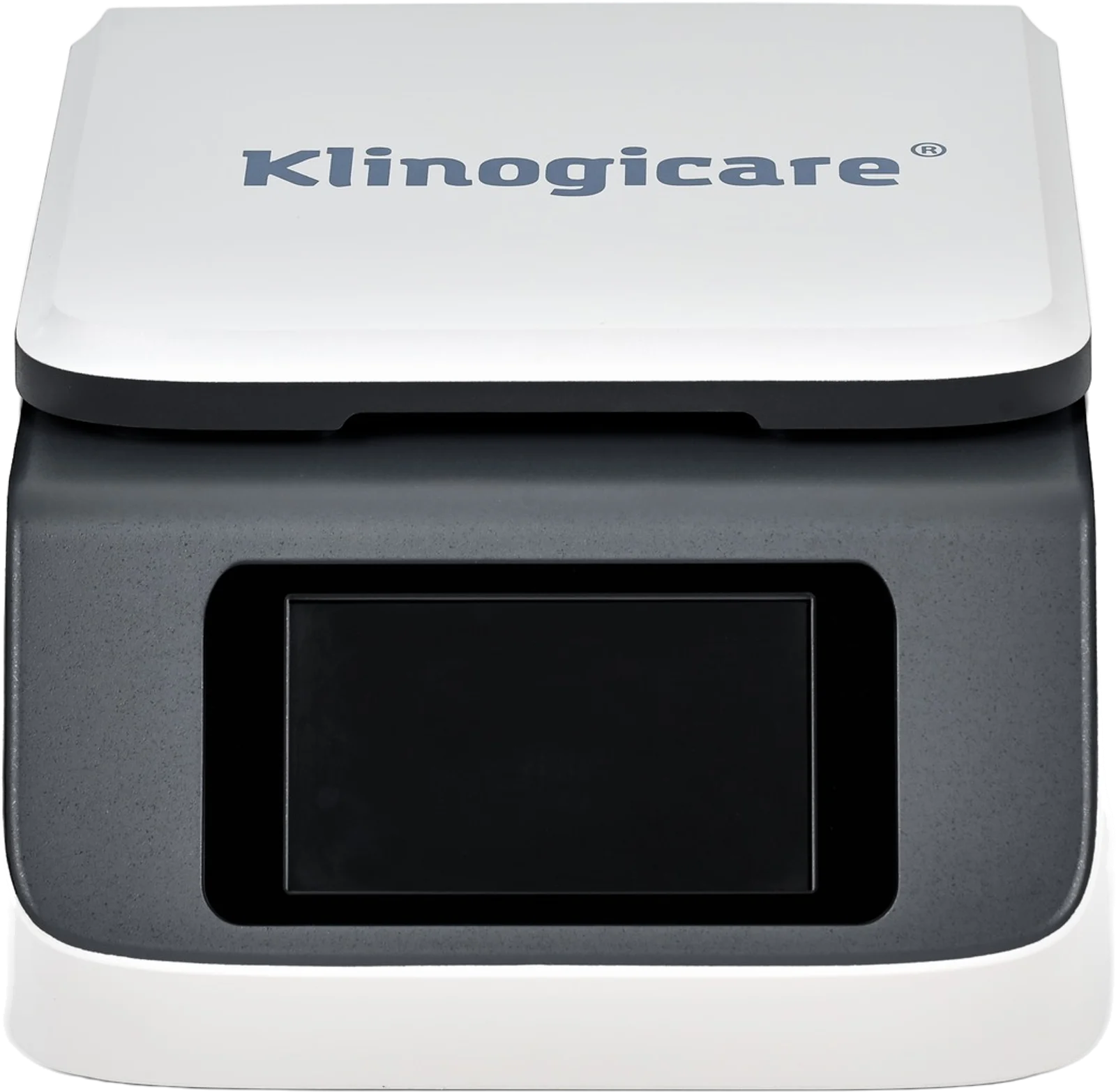
One instrument, three questions. All three markers are immunoassays, and a compact fluorescence-immunoassay analyzer such as the Klinogicare® StarLab Hormones & Proteins runs myoglobin, cortisol, high-sensitivity troponin I or troponin T from 50 microlitres of capillary blood, six samples per run, in about 10 minutes, in the treatment room or the hotel. Its companion clinical-chemistry analyzer, StarLab Biochem, covers CK, creatinine, LDH and electrolytes from the same fingertip. Testing 24 players for one marker takes four runs; a team that tests myoglobin and cortisol after every match plans the kit accordingly.
Know what each marker cannot do. Myoglobin does not tell you who will strain next week; it tells you who has torn tissue this morning. Cortisol does not grade recovery on its own; it tells you how this athlete's stress axis compares with their own baseline under a known load. Troponin does not measure fitness; it tells the physician whether the heart has released protein, and the isoforms tell them whether to believe it.
Klinogicare® StarLab Hormones & Proteins: a compact immunoassay analyzer for myoglobin, cortisol, high-sensitivity troponin I and troponin T, carried by one person and run in the treatment room or the hotel.
Section 11What the 2023–2026 evidence changes: five takeaways
Myoglobin has a validated clinical use in professional football: a morning value above about 60 ng/mL in a player with muscle pain raised the odds of an MRI-confirmed strain 32-fold, and the marker tracks acceleration and deceleration load with a time course days shorter than CK.
Myoglobin paired with CK and creatinine the same day is the triage for exertional rhabdomyolysis: a myoglobin-to-CK ratio of 0.48 or more flagged kidney risk with 99% specificity, and no patient with normal admission creatinine progressed.
Cortisol is a trend against the athlete's own clock-matched baseline. The testosterone-to-cortisol ratio was the strongest single predictor of overtraining in a 120-player academy cohort, chronic rather than acute load drives it in professional football, and competition mornings, travel, poor sleep and low energy availability each move it as much as training does.
One athlete in three exceeds the troponin reference limit after exercise, more than half with high-sensitivity assays, with the highest prevalence in endurance sport and after 3–6 hours of effort. Ten-year follow-up and coronary CT show these rises do not mark lasting damage or hidden coronary disease.
Troponin belongs to the physician, who orders it for symptoms, persistence or return to play, runs both isoforms, and knows that macrotroponin produced false-positive troponin I in half of athletes tested after COVID-19.
Section 12Questions teams ask about myoglobin, cortisol and troponin
Why measure myoglobin if we already track CK?
The two markers describe different time windows. In professional footballers, myoglobin peaked two hours after a match and was back to baseline by 16 hours, whereas CK was still rising; myoglobin followed acceleration and deceleration load, CK follows the days of repair. Myoglobin also has a specific clinical use: a morning value above about 60 ng/mL in a player reporting muscle pain raised the odds of a confirmed strain 32-fold, and the myoglobin-to-CK ratio is the supportive marker of kidney risk in exertional rhabdomyolysis.
What does a single cortisol value tell a coach?
On its own, nothing that the training log does not. Cortisol rises after every hard session and match, doubles on competition mornings and after transmeridian travel, and changes with sleep, illness and weight loss. It becomes informative as a change from the athlete's own baseline taken at the same clock time, followed over the training block and read next to testosterone and a recovery questionnaire. In that form, the testosterone-to-cortisol ratio was the strongest single predictor of overtraining risk in a season-long cohort of 120 academy players.
Is troponin after a match a sign of heart damage?
Usually not. Troponin exceeded the laboratory limit in 36% of athletes after exercise across 129 studies, in up to 83% of cyclists after a 1-hour maximal trial and in every middle-aged first-time marathon runner in one cohort, with cardiac MRI showing no injury. A decade of follow-up found no link between the post-marathon troponin rise and later ventricular function. The rise is a reason for a physician to look when it persists beyond 72 hours, when there are symptoms, or when it follows a viral illness, heat illness or rhabdomyolysis.
Why can troponin I be high when troponin T is normal?
Because of macrotroponin: antibodies to troponin I that form complexes and keep the measured value high without the rise-and-fall kinetics of real injury. It was confirmed in 16 of 18 athletes with elevated troponin after COVID-19 and in 12 of 13 samples from athletes recovered from myocarditis, and it cleared a professional cyclist to return to racing. A discrepancy between the two isoforms is the prompt for the laboratory to test for it before any restriction is imposed.
---
References
Method note. PubMed was searched on 3 November 2026 for myoglobin, cortisol (including the testosterone-to-cortisol ratio) and cardiac troponin combined with athlete, sport, team-sport, endurance, military-training and exercise-induced terms, limited to publication dates 2023–2026 (861 records; 794 after excluding animal and in-vitro work). Public sources were located through web search and checked against the original pages. One 2023 study of match intervals in female footballers identified by the search was excluded because PubMed lists a September 2025 retraction. All DOIs and PubMed records were verified on 3 November 2026.
Scientific sources (peer-reviewed, 2023–2026)
Saita Y, Hattori K, Hokari A, et al.Plasma myoglobin indicates muscle damage associated with acceleration/deceleration during football.Journal of Sports Medicine and Physical Fitness. 2023.DOI 10.23736/S0022-4707.23.15203-0 · PubMed 37712927
Saita Y, Yamamoto N, Fukushima Y, et al.Detecting muscle strain in professional football players through plasma myoglobin levels.Journal of Sports Medicine and Physical Fitness. 2025.DOI 10.23736/S0022-4707.25.16517-1 · PubMed 40742786
Du L, Xiao J, Li C, et al.Acute capillary plasma biomarker, neuromuscular, and perceptual responses to standardised soccer match play in elite players: a descriptive study of asynchronous multi-domain recovery.Metabolites. 2026.DOI 10.3390/metabo16060370 · PubMed 42346350
Frank E, Ben-Zeev T, Weissman I, et al.The effect of an American football practice on physical and cognitive performance and recovery.Journal of Strength and Conditioning Research. 2025.DOI 10.1519/JSC.0000000000005214 · PubMed 40845289
Oliveira-de-Souza D, Gomes DV, Spineti J, et al.Systemic degree of perturbation of plasma markers reveals cumulative biological stress across the competitive season in professional soccer players.Sports Medicine. 2026.DOI 10.1007/s40279-026-02470-z · PubMed 42329304
Mylonis E, Bourdas DI, Kompodieta N, et al.Seasonal changes in performance metrics, hormonal, hematological, and biochemical markers among semi-professional soccer players: implications for training and recovery.Journal of Functional Morphology and Kinesiology. 2025.DOI 10.3390/jfmk10020147 · PubMed 40407431
Bourdas DI, Mylonis E, Kompodieta N, et al.Pre-season friendly match-play as a double-edged sword: performance gains and inflammatory cost in semi-professional soccer players (a natural experiment).Experimental Physiology. 2026.DOI 10.1113/EP093797 · PubMed 42935275
Finlay MJ, Greig M, Page RM.Acute physiological, endocrine, biochemical and performance responses associated with amateur boxing: a systematic review with meta-analysis.European Journal of Sport Science. 2023.DOI 10.1080/17461391.2022.2063072 · PubMed 35380916
Augusto RS, Dill A, Souza E, et al.Kinetics of serum myoglobin and creatine kinase related to exercise-induced muscle damage and ACTN3 polymorphism in military paratroopers under intense exercise.Journal of Functional Morphology and Kinesiology. 2025.DOI 10.3390/jfmk10040381 · PubMed 41133571
Beumer Prieto B, Moreno-Parro I, Sufrate-Vergara B, et al.Biological variation of cardiac biomarkers in athletes during an entire sport season.Clinical Chemistry and Laboratory Medicine. 2025.DOI 10.1515/cclm-2024-1203 · PubMed 39865503
Özdemir K, Demir Y.Biochemical markers of muscle damage and recovery: insights from exercise physiology and molecular biology.Tissue & Cell. 2026.DOI 10.1016/j.tice.2026.103406 · PubMed 41734596
Vangstad M, Kro Birkeland JA, Gulsvik AK, et al.Exertional rhabdomyolysis: clinical features, management, complications and prediction of acute kidney injury.BMJ Open Sport & Exercise Medicine. 2026.DOI 10.1136/bmjsem-2026-003214 · PubMed 41788978
AlHumaidan HM, Alrubaysh MA, Hakeem AA, et al.From the field to the emergency room: a systematic case-level review of exertional rhabdomyolysis and acute kidney injury in athletes.Cureus. 2026.DOI 10.7759/cureus.111662 · PubMed 42524330
Bäcker HC, Richards JT, Kienzle A, et al.Exertional rhabdomyolysis in athletes: systematic review and current perspectives.Clinical Journal of Sport Medicine. 2023.DOI 10.1097/JSM.0000000000001082 · PubMed 36877581
Brandhurst G, Piedy E, Etheredge S, et al.Characterizing biomarkers of muscle damage in collegiate football players: a prospective, repeated measures study.Journal of Clinical Medicine. 2026.DOI 10.3390/jcm15072502 · PubMed 41976803
Dean JL, Leggit JC, Franzos MA, et al.Clinical interpretation of cardiac troponin in athletes: from endurance exercise to exertional injury.PM&R. 2026.DOI 10.1002/pmrj.70203 · PubMed 42635296
Cabarkapa D, Eserhaut DA, Cabarkapa DV, et al.Salivary testosterone and cortisol changes during a game in professional male basketball players.Journal of Strength and Conditioning Research. 2023.DOI 10.1519/JSC.0000000000004515 · PubMed 37494120
Morgans R, Oliveira R, Rhodes D, et al.Does elite European match-play affect salivary immunoglobulin-A and cortisol in soccer players? The influence of playing status and match outcome.Frontiers in Physiology. 2024.DOI 10.3389/fphys.2024.1253417 · PubMed 38332986
Nikolovski Z, Foretić N, Vrdoljak D, et al.Comparison between match and training session on biomarker responses in handball players.Sports. 2023.DOI 10.3390/sports11040083 · PubMed 37104157
Fornaziero AM, Novack LF, Nascimento VB, et al.Acute responses of youth elite players to a football match in terms of blood markers.Sports. 2023.DOI 10.3390/sports11120242 · PubMed 38133109
Pancar Z, Makaracı Y, Gençoğlu C, et al.Acute biochemical responses to competitive tournament load in female handball players: hormonal, inflammatory and muscle damage markers.Life. 2026.DOI 10.3390/life16030523 · PubMed 41901040
Brini S, Clark CCT, Ouergui I, et al.Plasma and salivary measures of testosterone and cortisol levels in basketball players under various games/training conditions, and nutritional strategies: an updated systematic review.Frontiers in Physiology. 2025.DOI 10.3389/fphys.2025.1678971 · PubMed 41624013
Ponzetto F, Franceschi A, Leoni L, et al.Acute effects of different training sessions on the extended blood steroid profile in elite male football players.Sports Medicine. 2026.DOI 10.1007/s40279-026-02467-8 · PubMed 42230415
Mondal S, Hathi DK, Bhattacharya S.The testosterone:cortisol ratio – a tool with practical use and research potential in endocrinology.Indian Journal of Endocrinology and Metabolism. 2025.DOI 10.4103/ijem.ijem_85_25 · PubMed 41229716
Curzi D, Amatori S, Silvestri F, et al.Professional football training and recovery: a longitudinal study on the effects of weekly conditioning session and workload variables.PLoS One. 2024.DOI 10.1371/journal.pone.0310036 · PubMed 39255308
Drole K, Doupona M, Steffen K, et al.Associations between subjective and objective measures of stress and load: an insight from 45-week prospective study in 189 elite athletes.Frontiers in Psychology. 2024.DOI 10.3389/fpsyg.2024.1521290 · PubMed 39906197
Qian H, Lee S.A multidimensional prediction model for overtraining risk in youth soccer players: integrating physiological and psychological markers.Journal of Sports Sciences. 2025.DOI 10.1080/02640414.2025.2521211 · PubMed 40545715
Aychman MM, Vinson K, Tasnim N, et al.Multimodal indicators of non-functional overreaching in NCAA Division I American football athletes: evidence for role-specific physiological adaptation.Frontiers in Physiology. 2026.DOI 10.3389/fphys.2026.1818629 · PubMed 42553027
Kamarauskas P, Lukonaitienė I, Kvedaras M, et al.Relationships between weekly changes in salivary hormonal responses and load measures during the pre-season phase in professional male basketball players.Biology of Sport. 2023.DOI 10.5114/biolsport.2023.114290 · PubMed 37077790
Kamarauskas P, Scanlan AT, Ferioli D, et al.Weekly fluctuations in, and associations between, salivary hormone responses, load, and well-being during the pre-season in professional male basketball players.Journal of Strength and Conditioning Research. 2024.DOI 10.1519/JSC.0000000000004589 · PubMed 38085623
Grainger A, Comfort P, Twist C, et al.Real-world fatigue testing in professional rugby union: a systematic review and meta-analysis.Sports Medicine. 2024.DOI 10.1007/s40279-023-01973-3 · PubMed 38114782
Soler-López A, Moreno-Villanueva A, Gómez-Carmona CD, et al.The role of biomarkers in monitoring chronic fatigue among male professional team athletes: a systematic review.Sensors. 2024.DOI 10.3390/s24216862 · PubMed 39517758
Muñoz-López M, Quesada-Fernández G, Sancho-Haro ES, et al.From routine blood tests to metabolomics: a contextual framework for interpreting biomarkers of training load, recovery, and metabolic stress in athletes.Metabolites. 2026.DOI 10.3390/metabo16070483 · PubMed 42506435
Arslan FD, Hoffmann G.Use of indirect methods and machine learning algorithms for the estimation of reference intervals, taking cortisol measurements as an example.Clinical Chemistry and Laboratory Medicine. 2026.DOI 10.1515/cclm-2025-0984 · PubMed 41118607
Jiménez M, Lopez-Lluch G, Barón-López FJ, et al.The cortisol awakening response (CAR) of elite athletes is elevated before a competition, but no interaction with sport type.Psychoneuroendocrinology. 2026.DOI 10.1016/j.psyneuen.2026.107905 · PubMed 42208408
García-Bastida J, Jiménez M, Gallardo-Pérez J, et al.Anticipatory cortisol regulation during competition in elite female field hockey players.Stress and Health. 2026.DOI 10.1002/smi.70199 · PubMed 42402792
Crewther BT, Serpell BG, Obmiński Z, et al.Positive day-to-day relationships between the cortisol and testosterone awakening responses in elite male athletes.Biology of Sport. 2025.DOI 10.5114/biolsport.2025.148541 · PubMed 41048230
Bayram B, Makaracı M, Pancar Z, et al.Temporal dissociation between endocrine and psychological responses across an official boxing bout in national-level male boxers.BMC Sports Science, Medicine and Rehabilitation. 2026.DOI 10.1186/s13102-026-01986-1 · PubMed 42728620
Benito A, Boppre G, Lopes A, et al.Do long-haul travel and jet lag affect athletes' physiological, humoral and performance outcomes? A systematic narrative review.Sports. 2026.DOI 10.3390/sports14030093 · PubMed 41893584
Gotshalk LA, Gallagher A, Williams H, et al.Travel-related changes in physiological health markers: the effects of transmeridian travel on female volleyball players.International Journal of Exercise Science. 2026.DOI 10.70252/IJES2026206 · PubMed 42499394
Stergiopoulos DC, Botonis PG, Miliotis PG, et al.Effects of simulated short-haul flights on sport-specific performance, sleep, and psychophysiological responses in football players.Scandinavian Journal of Medicine & Science in Sports. 2025.DOI 10.1111/sms.70169 · PubMed 41251037
Botonis PG, Toubekis AG.Intensified Olympic preparation: sleep and training-related hormonal and immune responses in water polo.International Journal of Sports Physiology and Performance. 2023.DOI 10.1123/ijspp.2022-0079 · PubMed 36640772
Sato M, Sasaki M, Shima T, et al.Hair cortisol is a physiological indicator of training stress for female footballers.European Journal of Applied Physiology. 2024.DOI 10.1007/s00421-024-05571-7 · PubMed 39133270
Ohara N, Kameo H, Ochi G, et al.Changes in hair cortisol and oxytocin independently associate with positive and negative psychological states in female soccer players.Frontiers in Sports and Active Living. 2025.DOI 10.3389/fspor.2025.1742869 · PubMed 41602811
Moore L, Isoard-Gautheur S, Gustafsson H, et al.Psychophysiological markers of athlete burnout: a call to arms.International Journal of Sports Medicine. 2025.DOI 10.1055/a-2433-3930 · PubMed 39357834
Jeppesen JS, Hellsten Y, Melin AK, et al.Short-term severe low energy availability in athletes: molecular mechanisms, endocrine responses, and performance outcomes – a narrative review.Scandinavian Journal of Medicine & Science in Sports. 2025.DOI 10.1111/sms.70089 · PubMed 40539747
McGuire A, Warrington G, Doyle L, et al.Prevalence of low energy availability and associations with seasonal changes in salivary hormones and IgA in elite male Gaelic footballers.European Journal of Nutrition. 2023.DOI 10.1007/s00394-023-03112-0 · PubMed 36841899
Honceriu C, Roca M, Costache AD, et al.Blood and salivary cortisol variations in athletes in relation to cardiopulmonary exercise testing.Medicina. 2023.DOI 10.3390/medicina59101726 · PubMed 37893444
Pang J.Saliva, sweat, and exhaled breath as alternative specimens for exercise chemistry: analytical advantages, limitations, and comparative progress.Biomedical Chromatography. 2026.DOI 10.1002/bmc.70574 · PubMed 42499291
Stekelenburg JO, Berge K, Janssen SLJE, et al.Prevalence and predictors of cardiac troponin elevations following exercise: a systematic review, meta-analysis, and meta-regression.European Journal of Preventive Cardiology. 2026.DOI 10.1093/eurjpc/zwag218 · PubMed 41985028
Laily I, van Steijn N, Rizki P, et al.Acute effects of marathon running on the heart: a systematic review and meta-analysis.BMJ Open Sport & Exercise Medicine. 2026.DOI 10.1136/bmjsem-2026-003201 · PubMed 42299359
Legaz-Arrese A, Sitko S, Cirer-Sastre R, et al.The kinetics of cardiac troponin T release during and after 1- and 6-h maximal cycling trials.Journal of Science and Medicine in Sport. 2025.DOI 10.1016/j.jsams.2024.08.207 · PubMed 39277491
Bonnevie-Svendsen M, Edvardsson EV, Oppen K, et al.Cardiac troponin patterns in athletes completing Norseman Xtreme Triathlon.BMJ Open Sport & Exercise Medicine. 2026.DOI 10.1136/bmjsem-2025-002810 · PubMed 42158294
Laily I, van Steijn N, Wiggers TGH, et al.Acute impact of first-time marathon running on the heart in middle-aged men.Open Heart. 2025.DOI 10.1136/openhrt-2025-003915 · PubMed 41469146
Radic P, Bulj N, Car S, et al.Impact of high intensity contact physical activity during a match on echocardiographic parameters and high-sensitivity troponin I in competitive rugby players.Journal of Clinical Medicine. 2025.DOI 10.3390/jcm14072226 · PubMed 40217675
Egger F, Schilling T, Baumann S, et al.Cardiovascular risk of veterans' football: an observational cohort study with follow-up.PLoS One. 2024.DOI 10.1371/journal.pone.0297951 · PubMed 38578731
Wuestenfeld JC, Kastner T, Hesse J, et al.Differences in troponin I and troponin T release in high-performance athletes outside of competition.International Journal of Molecular Sciences. 2024.DOI 10.3390/ijms25021062 · PubMed 38256135
Schindler MJ, Schoenfeld J, Trommler A, et al.Long-term changes in ventricular function in recreational marathon runners.JAMA Cardiology. 2026.DOI 10.1001/jamacardio.2025.4456 · PubMed 41370052
Janssen SLJE, van Everdingen WM, Saalmink WBJ, et al.Relationship between exercise-induced cardiac troponin elevations and occult coronary atherosclerosis in middle-aged athletes.Journal of the American College of Cardiology. 2025.DOI 10.1016/j.jacc.2025.04.047 · PubMed 40533126
Airaksinen KEJ, Paana T, Vasankari T, et al.Composition of cardiac troponin release differs after marathon running and myocardial infarction.Open Heart. 2024.DOI 10.1136/openhrt-2024-002954 · PubMed 39551608
Wu C, Zhao Y, Zhao Y, et al.Cardiac biomarkers in athletes and active individuals: a clinical review of exercise-induced elevations and diagnostic interpretation.Frontiers in Physiology. 2026.DOI 10.3389/fphys.2026.1868998 · PubMed 42516255
Celeski M, Segreti A, Piscione M, et al.The current paradigm of cardiac troponin increase among athletes.Monaldi Archives for Chest Disease. 2025.DOI 10.4081/monaldi.2024.2878 · PubMed 38700130
Hammerer-Lercher A, Kissel CK, Wittfooth S, et al.False-positive cardiac troponin I values due to macrotroponin in healthy athletes after COVID-19.Clinical Chemistry and Laboratory Medicine. 2025.DOI 10.1515/cclm-2025-0427 · PubMed 40853145
Wernhart S, Halle M, Zenk S, et al.Handling persistent cardiac troponin elevation in asymptomatic athletes: the role of macrocomplexes.American Heart Journal Plus. 2026.DOI 10.1016/j.ahjo.2026.100804 · PubMed 42253289
Popelier C, Koppens K, L'Hoyes W, et al.False-positive troponin in a professional cyclist: a case report on avoiding misdiagnosis and unnecessary restrictions.European Heart Journal Case Reports. 2026.DOI 10.1093/ehjcr/ytag192 · PubMed 41883593
Ovchinnikov AN.Utilizing saliva for non-invasive detection of exercise-induced myocardial injury with point-of-care cardiac troponin-I.Scientific Reports. 2025.DOI 10.1038/s41598-025-12380-1 · PubMed 40715441
Marqués-Jiménez D, Ramirez-Jimenez M, Izquierdo JM, et al.Recovery after an official soccer match: an analysis of markers of muscle damage and oxidative stress, and endocrine, neuromuscular and perceptual responses.Journal of Functional Morphology and Kinesiology. 2025.DOI 10.3390/jfmk10030351 · PubMed 40981050
Carter J, et al.Salivary cortisol analysis in collegiate female lacrosse athletes.International Journal of Exercise Science. 2023.DOI 10.70252/DZSA8083 · PubMed 37114116
Earlier work cited in the prologue
Klinogicare® Research.Creatine kinase in football and team sports: what 2025–2026 research says about muscle load, recovery and injury risk.Klinogicare® Publications, 3 November 2026.Read
Klinogicare® Research.Objective assessment of athlete readiness: biomarkers for load monitoring and injury-risk reduction.Klinogicare® Publications, 20 May 2026.Read
Public sources (clubs, federations, analytics companies, media)
FIFA.Professional Players Consultation Forum meets in Rabat.Media release, 9 November 2025.Source
FIFPRO.Player Workload Monitoring 2024/25: Men's Football Report.2025.Source
Austin S.How top clubs are leveraging blood data.Training Ground Guru, 11 December 2025.Source
Alrefai A.Point of care testing in elite football: bringing the lab to the athlete.POCTIFY, 15 July 2026.Source
Medical Dialogues.Acute trop T elevation not tied to reduced RV function in recreational endurance athletes: JAMA.16 December 2025.Source
News-Medical.Running a marathon triggers measurable heart changes.11 June 2026.Source
Cite this article
Klinogicare® Research (2026). Myoglobin, cortisol and cardiac troponin in professional sport: what 2023–2026 research says about the hours after the load, the weeks of the season and the heart. Klinogicare® Publications, 3 November 2026. https://klinogicare.com/myoglobin-cortisol-troponin-athletes-2023-2026/