Klinogicare® Shockwave Storm Focus

Focused shockwave therapy with software-controlled treatment depth

Klinogicare® Shockwave Storm Focus, a focused shockwave therapy device with software-based focal-depth adjustment

Intelligent depth control, with no extra manual steps
Focused shockwave therapy with software-based depth adjustment, greater treatment depth, and stable electromagnetic pulse emission.

Electronic control of focusing

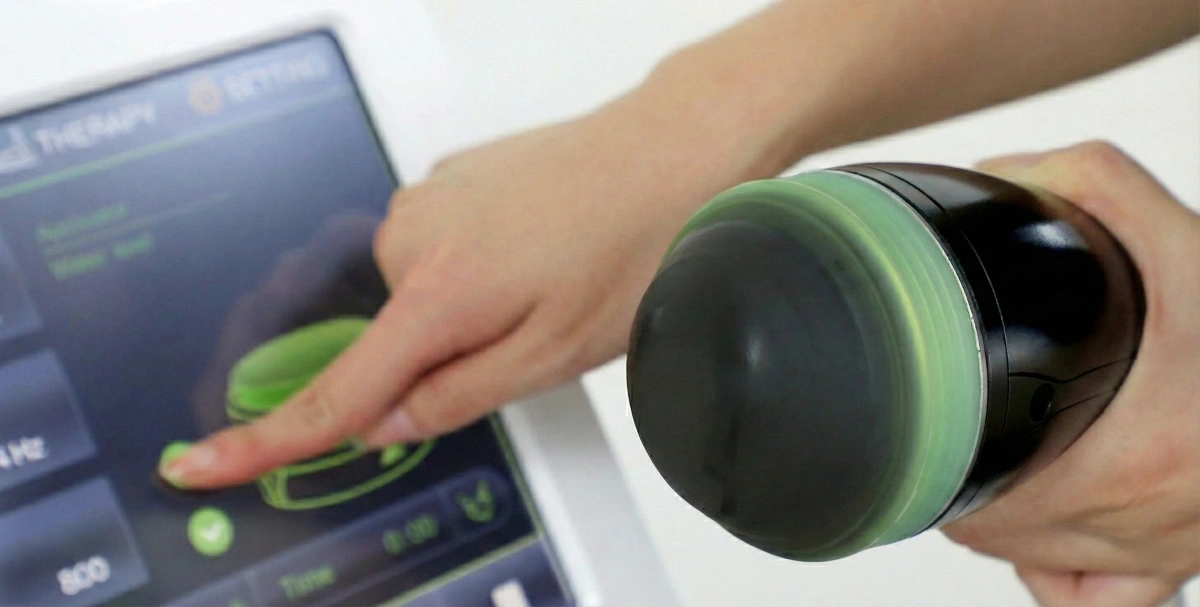
The depth of the focal zone is controlled from the device interface by regulating the applicator's aqueous medium. This removes the need for interchangeable heads or spacers and helps keep the clinical workflow smoother and more efficient.

Treatment depth of up to 150 mm

The focal zone can be electronically adjusted up to 65 mm, while therapeutic effects may extend beyond the focal point depending on tissue characteristics, the selected parameters, and the clinical application technique.

Stable electromagnetic emission

The electromagnetic generation principle is designed to support reproducible pulse emission, controlled focal geometry, and consistent performance during prolonged clinical use.

Focused shockwave therapy: deep, targeted energy with less preparation effort

The key advantages at a glance (1 min)

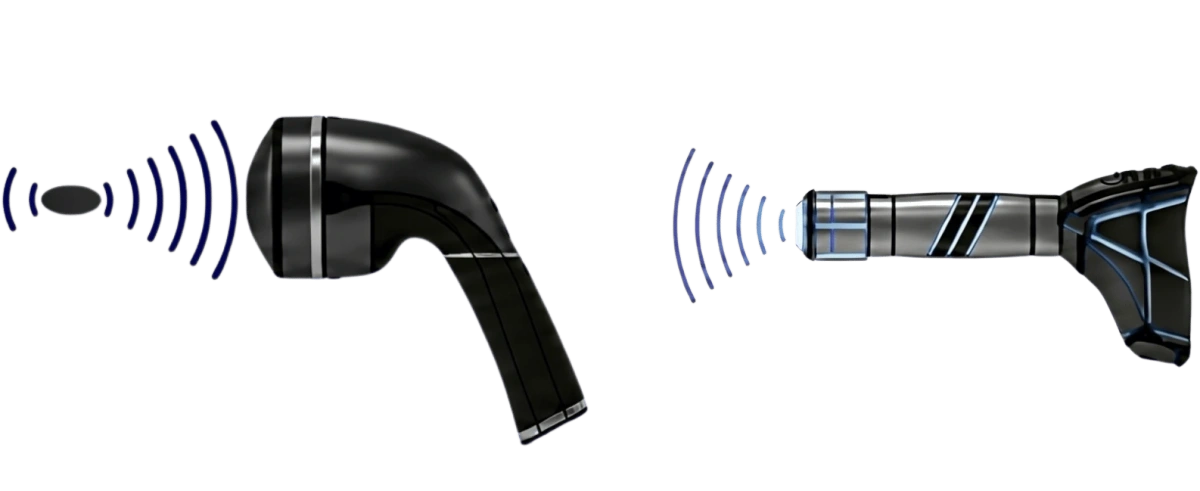
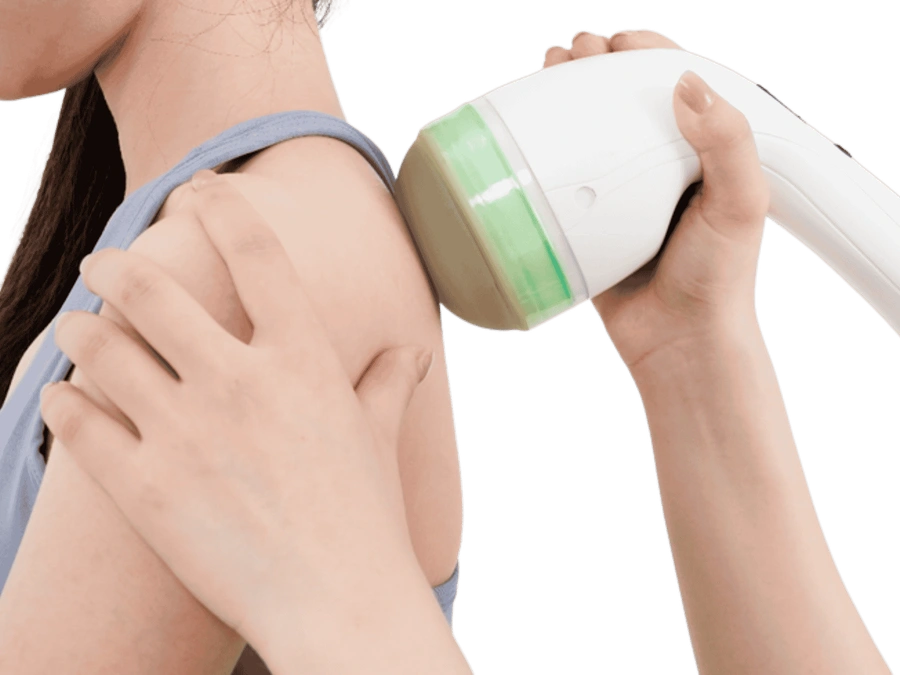
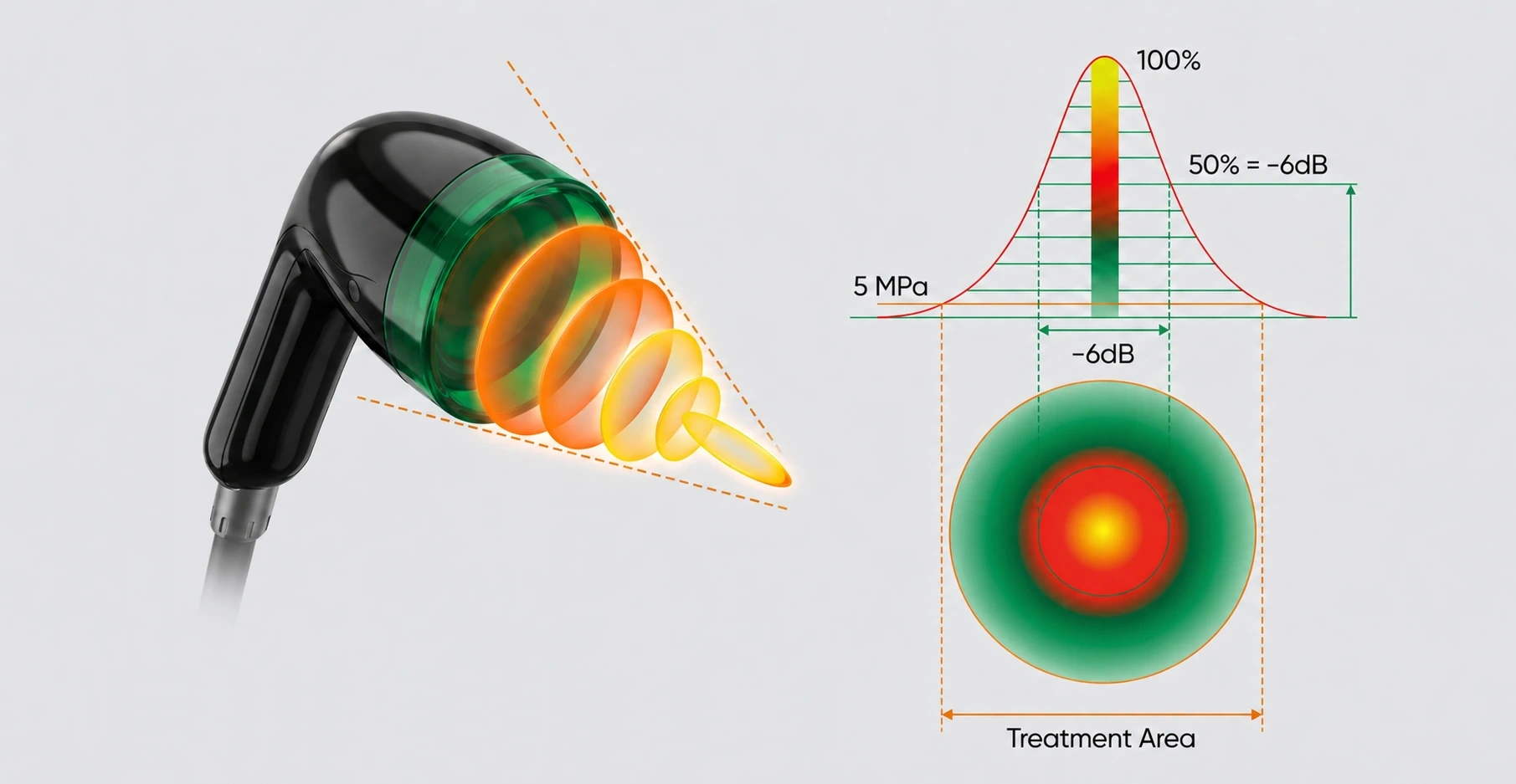
Concept of a focused shockwave applicator delivering targeted energy to deep anatomical structures
Focused ESWT

Action of the focused wave in a defined focal zone

Focused shockwave therapy concentrates high-energy waves in a localized treatment zone. Compared with radial shockwave therapy, the focused technology directs mechanical energy toward deeper tissue layers and may help the healthcare professional reach target structures that are difficult to treat with surface-acting systems.

Key therapeutic properties
  • High precisionFocused waves allow a localized mechanical action on tendons, ligaments, periarticular tissues and other deep anatomical structures within a defined focal zone.
  • Treatment depthFocal depth is adjustable, while the therapeutic effect may extend beyond the focal zone depending on tissue properties and the selected physical parameters.
  • Controlled tissue responseThe focused wave produces a localized mechanical effect that may support remodeling processes in target tissues under professional clinical supervision.
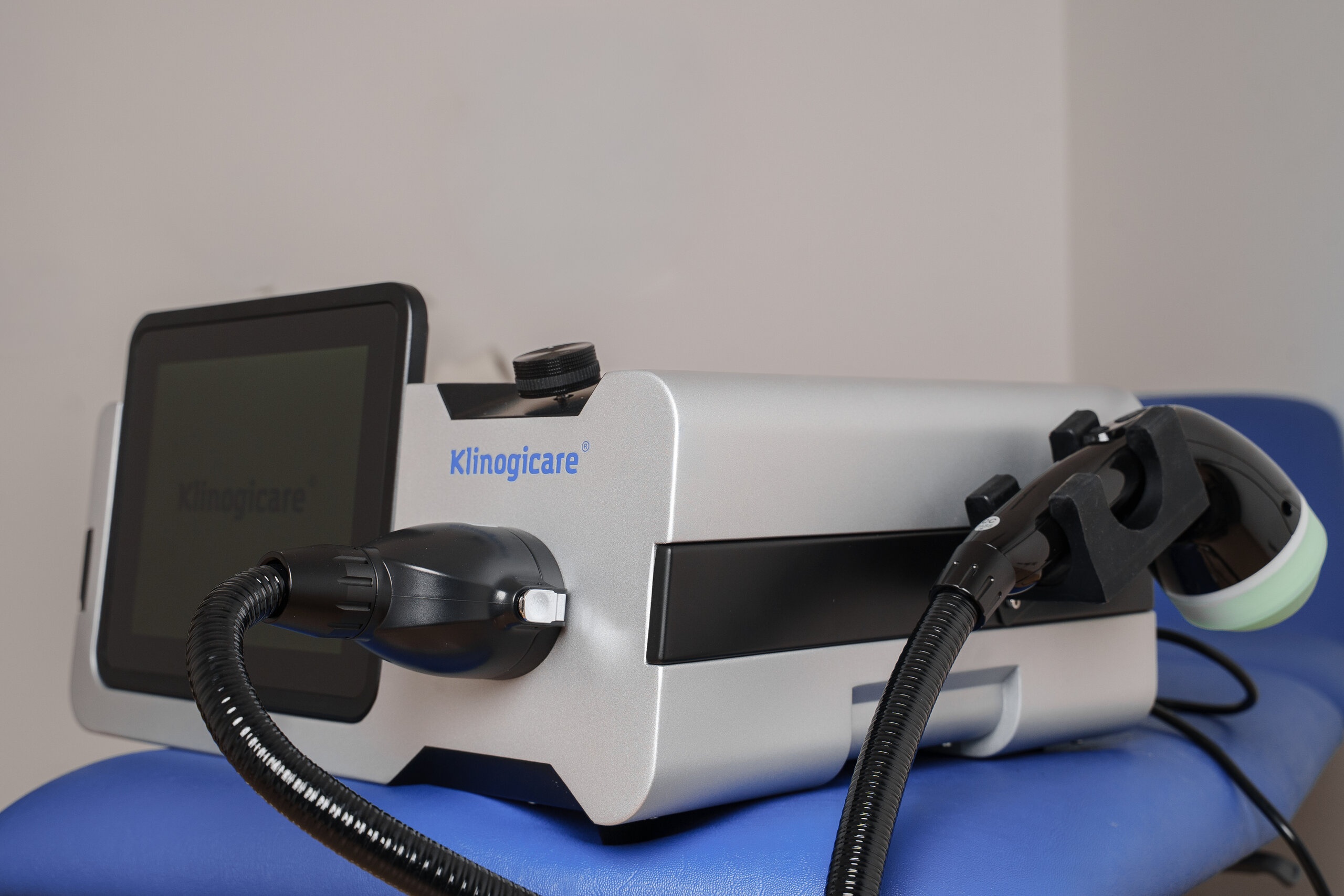
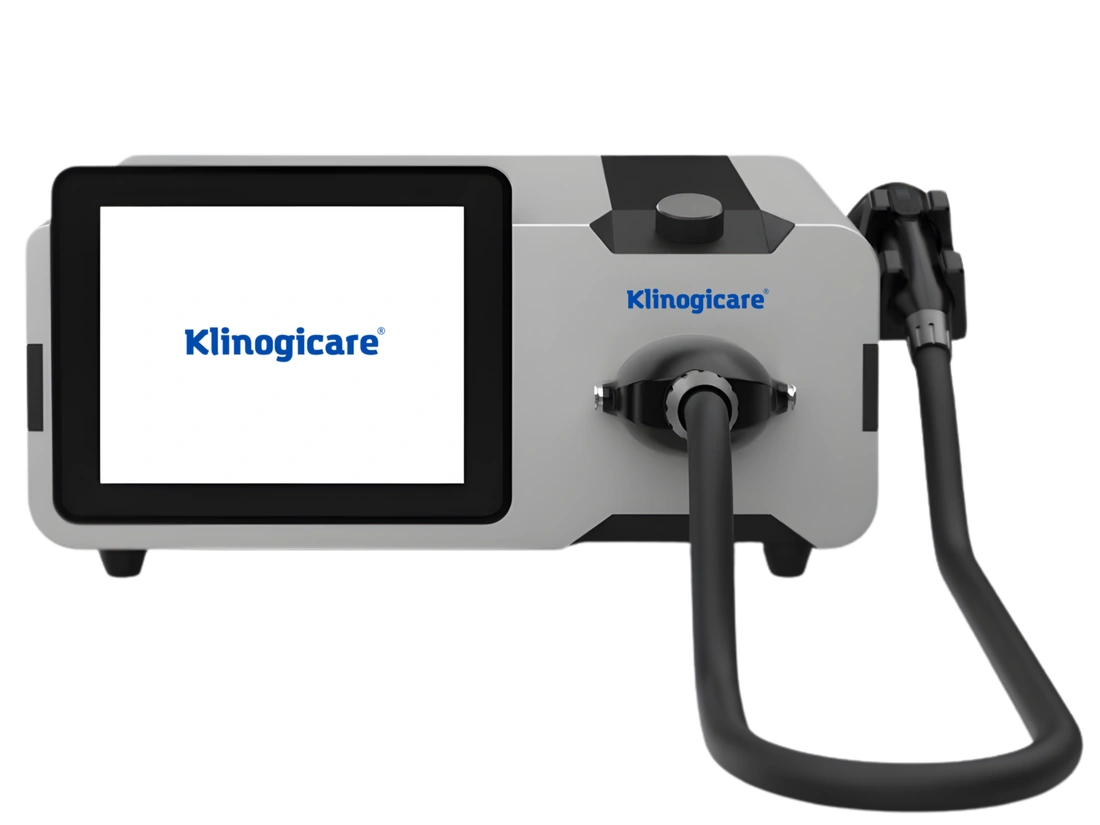
Klinogicare Shockwave Storm Focus platform with electromagnetic generator for focused shockwaves
Technological design

Intelligent depth control and integration into the clinical workflow

Klinogicare® Shockwave Storm Focus generates focused shockwaves through an electromagnetic system and transmits them through an aqueous medium. Treatment depth is controlled without the need for interchangeable heads or spacers, which may reduce preparation complexity and contribute to a more streamlined clinical workflow.

Platform advantages
  • Depth control without interchangeable heads or spacersTreatment depth is adjusted through the aqueous medium of the applicator, so there is no need to change spacers during the session.
  • Stable electromagnetic energy deliveryElectromagnetic generation supports predictable energy delivery, a controlled focal geometry and consistent treatment parameters in clinical use.
  • Integration into combined protocolsThe device can be used alongside other Klinogicare® solutions, including laser and magnetotherapy systems, to support coherent protocol planning across complementary technologies.

This architecture helps healthcare professionals plan combined treatments and keeps the logic of each technology clear and under clinical control.

Shockwave modes with specific clinical functions

Radial and focused shockwaves use different energy-delivery geometries for different clinical goals. Radial treatment is suitable for broader work on superficial tissues, whereas focused shockwave therapy concentrates energy at a selected depth and targets well-defined anatomical structures.
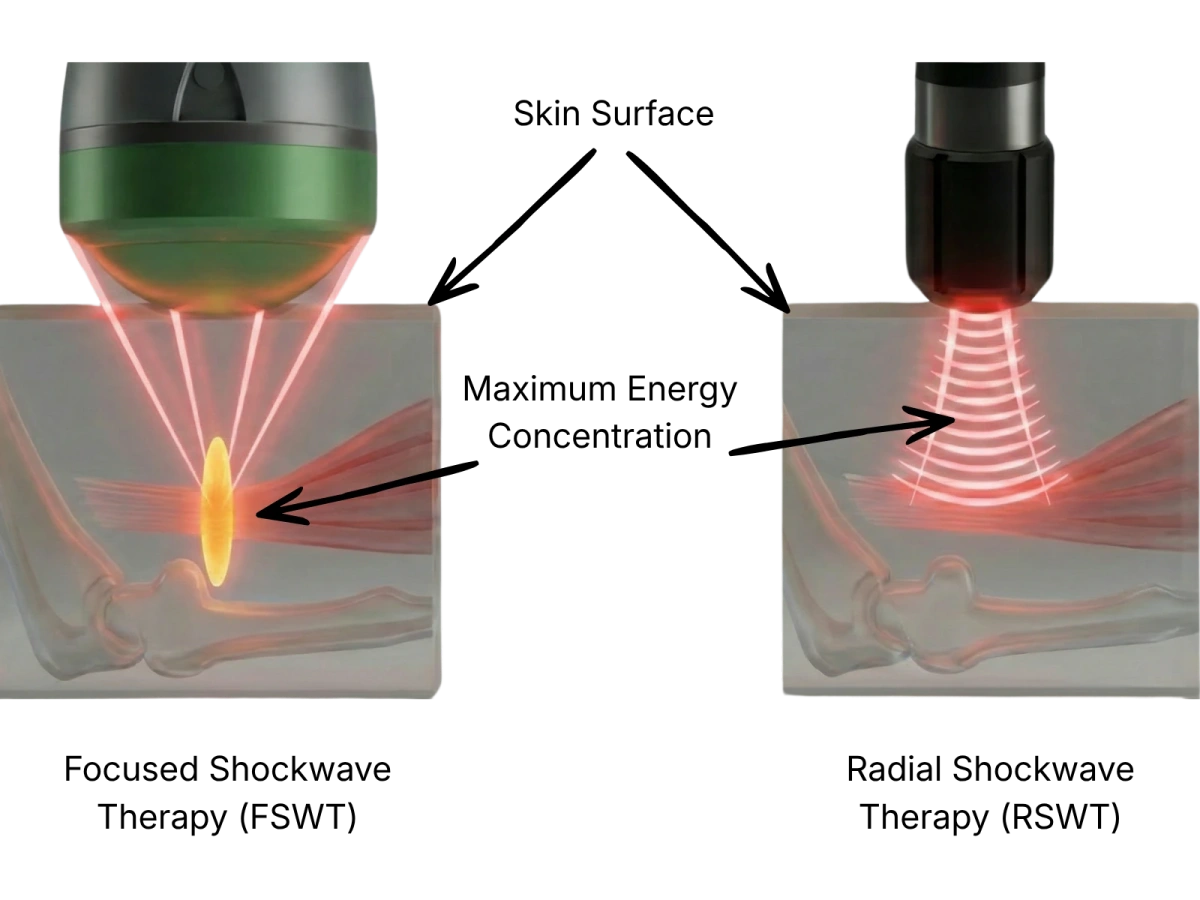
Comparison of energy distribution between focused and radial shockwave therapy

Different wave geometry, different clinical function

Focused shockwave therapy concentrates acoustic energy in a defined focal zone. Radial shockwave therapy, by contrast, distributes pressure waves outward from the applicator surface, spreading energy over a larger area and decreasing progressively as depth increases.

In clinical practice, the two modalities tend to complement rather than compete with each other. Radial therapy can be applied over more extensive superficial regions, while the focused modality is chosen when the anatomical target is deeper, smaller, or more specific.

Focused shockwaves reach deeper tissues, while radial shockwaves act more superficially

Depth convergence versus superficial dispersion

Focused shockwave application is designed to concentrate mechanical energy below the superficial layer, which may support the treatment of compact structures such as entheses, deep tendons, calcifications, certain bone conditions, and sources of deep myofascial pain.

Radial shockwave application is commonly used for work on superficial soft tissue, fascia, broad muscle regions, and extensive areas of pain, when distributed mechanical stimulation is clinically appropriate.

Practical comparison of the modalities

Feature Focused shockwaves Radial shockwaves
Wave propagation Energy directed in a convergent manner toward a defined focal zone Divergent energy that propagates from the applicator surface
Principle of action Depth-oriented localization and controlled energy delivery Broader superficial coverage and distributed mechanical stimulation
Depth control Electronic focal depth of up to 65 mm; the therapeutic effect may extend beyond the focal zone depending on tissue properties and settings Predominantly superficial penetration, commonly described in a range of 0-40 mm
Typical target profile Deeper, smaller, and anatomically specific structures Superficial and more extensive soft-tissue regions
Generation mechanism Focused waves generated by electrohydraulic, piezoelectric, or electromagnetic technologies Ballistic-pneumatic projectile system that generates pressure waves through a transmitter
Therapeutic integration Can complement radial therapy on deep or compact target structures Can complement focused therapy in superficial or large-area work

How focused shockwaves are generated

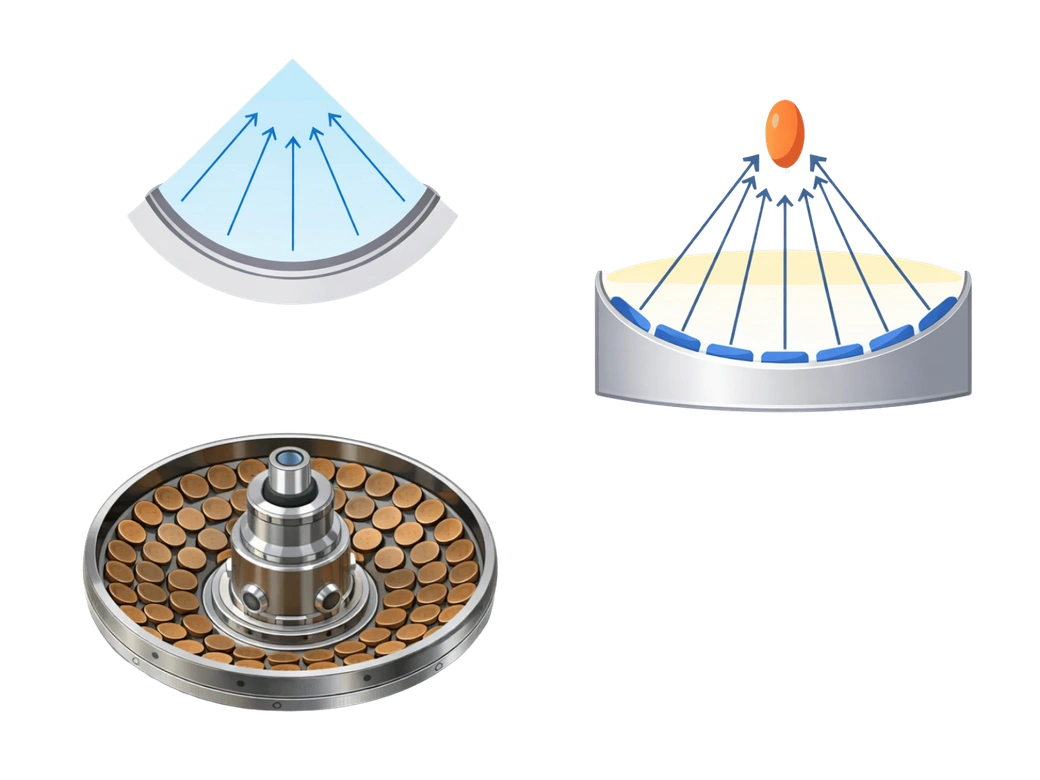
Not all focused shockwave systems are alike. They can generate and focus the wave based on different physical principles, which influences maintenance requirements, delivery stability, focal geometry, and the clinical workflow.
Principle of the electrohydraulic focused shockwave generator

Electrohydraulic generator

Electrohydraulic systems generate shockwaves through a high-voltage spark discharge in an aqueous medium. The wave is then directed toward the treatment area through a reflector. This technology can generate high peak pressures, but the electrodes are exposed to discharge erosion and require periodic replacement.

Principle of the piezoelectric focused shockwave generator

Piezoelectric generator

Piezoelectric systems use numerous piezoelectric elements arranged on a spherical surface. When an electrical pulse is applied, the elements deform and generate synchronized pressure waves. This allows high spatial precision, although prolonged operation may gradually affect the performance of the crystals.

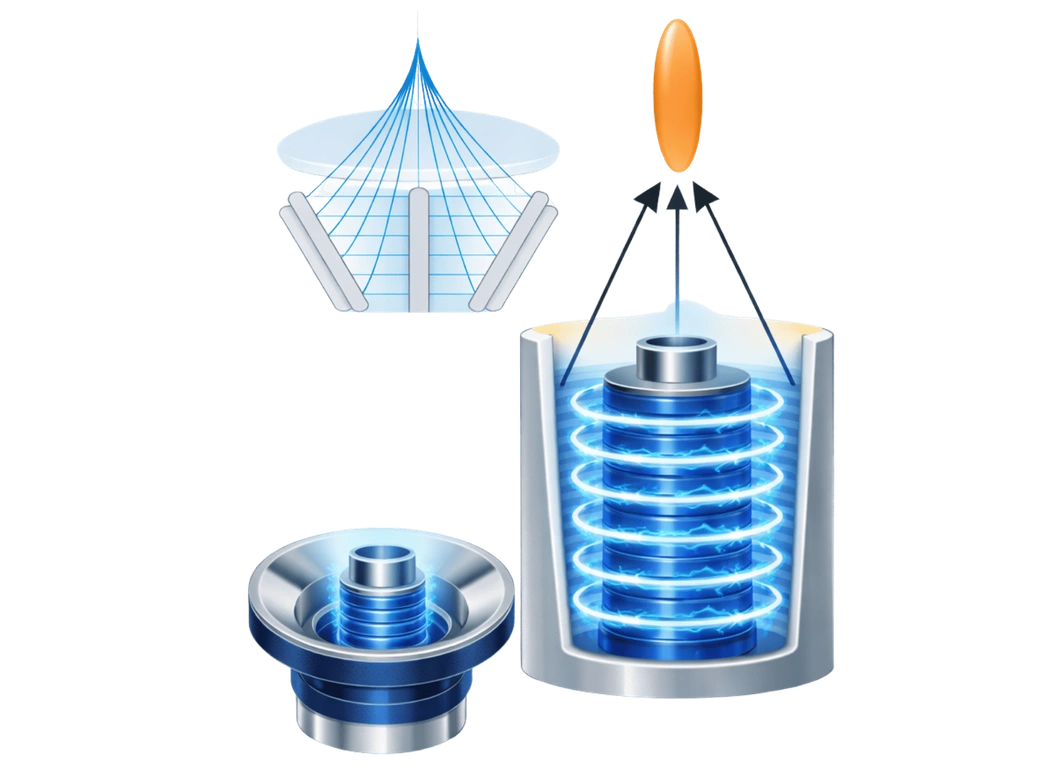
Principle of the electromagnetic focused shockwave generator

Electromagnetic generator

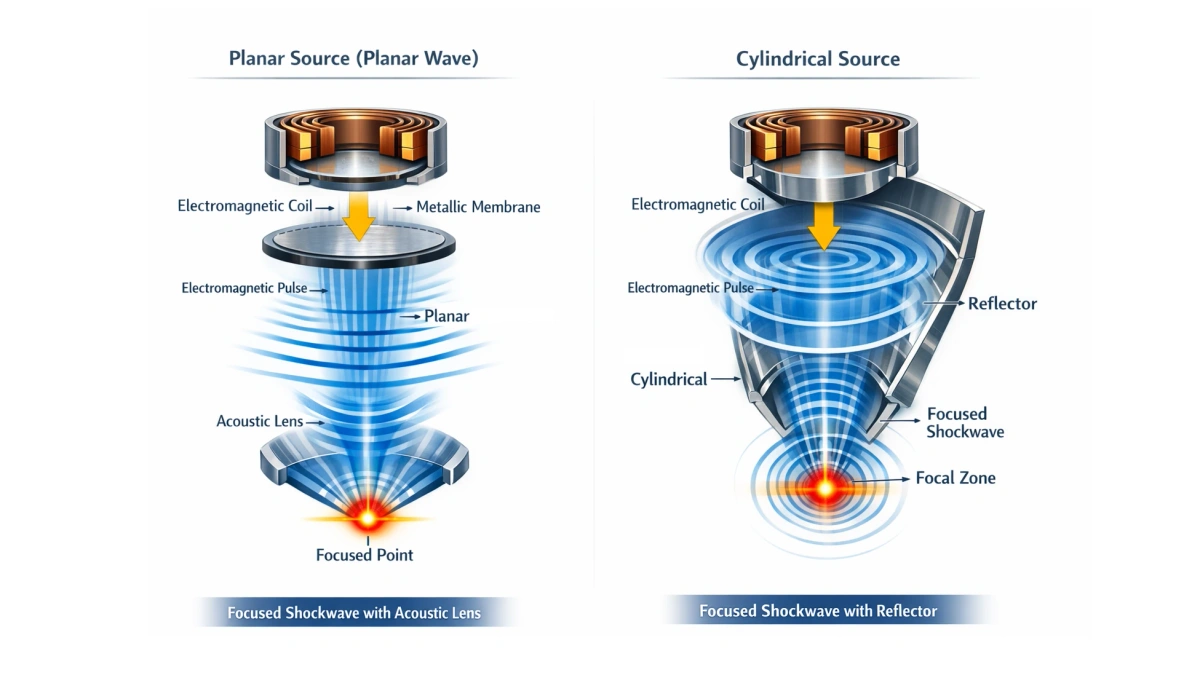
Electromagnetic systems generate shockwaves through the interaction between an electromagnetic coil and a metal membrane. Focusing is achieved through an acoustic lens or a reflector. Klinogicare® Shockwave Storm Focus uses this generation principle to support delivery stability, controlled focal geometry, and adjustable focal depth.

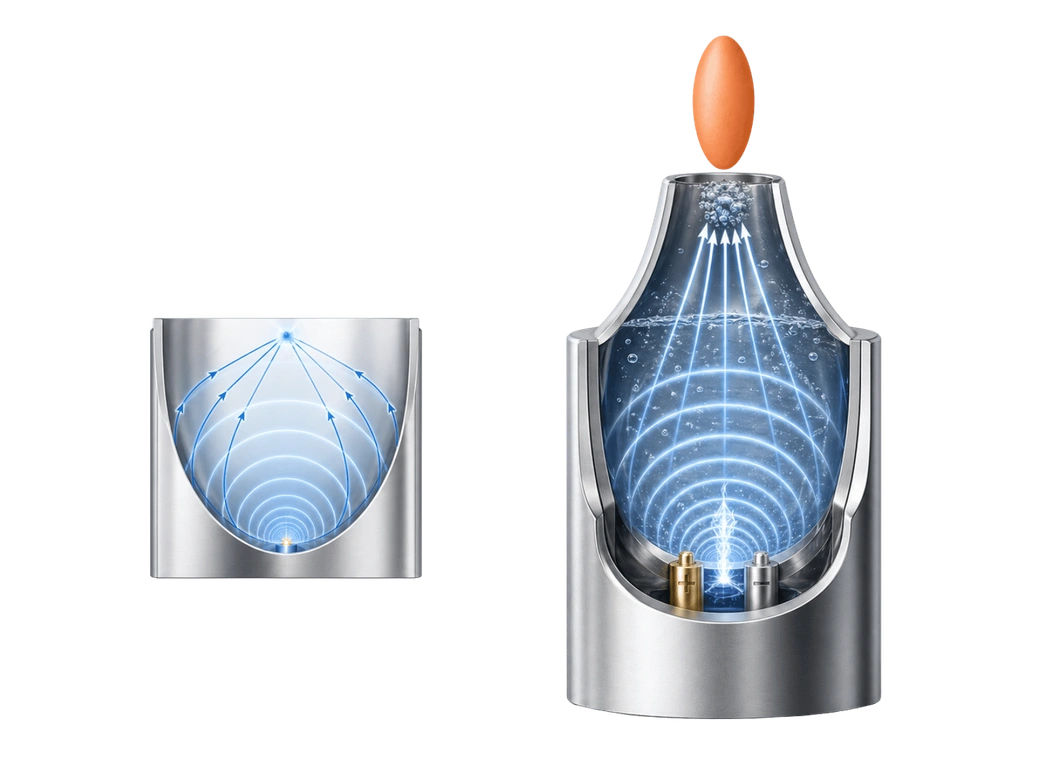
Electromagnetic source configurations for focused shockwaves with an acoustic lens and reflector

Electromagnetic focusing configurations

Electromagnetic focused shockwave generators can use different source and focusing configurations. In all cases, the clinical goal is to convert the generated pressure wave into a controlled focused shockwave, with consistent focal-zone behavior.

This is the physical basis of precise depth-oriented treatment: the system generates the wave extracorporeally, transmits it through an aqueous medium, and concentrates the energy in the selected anatomical target zone.

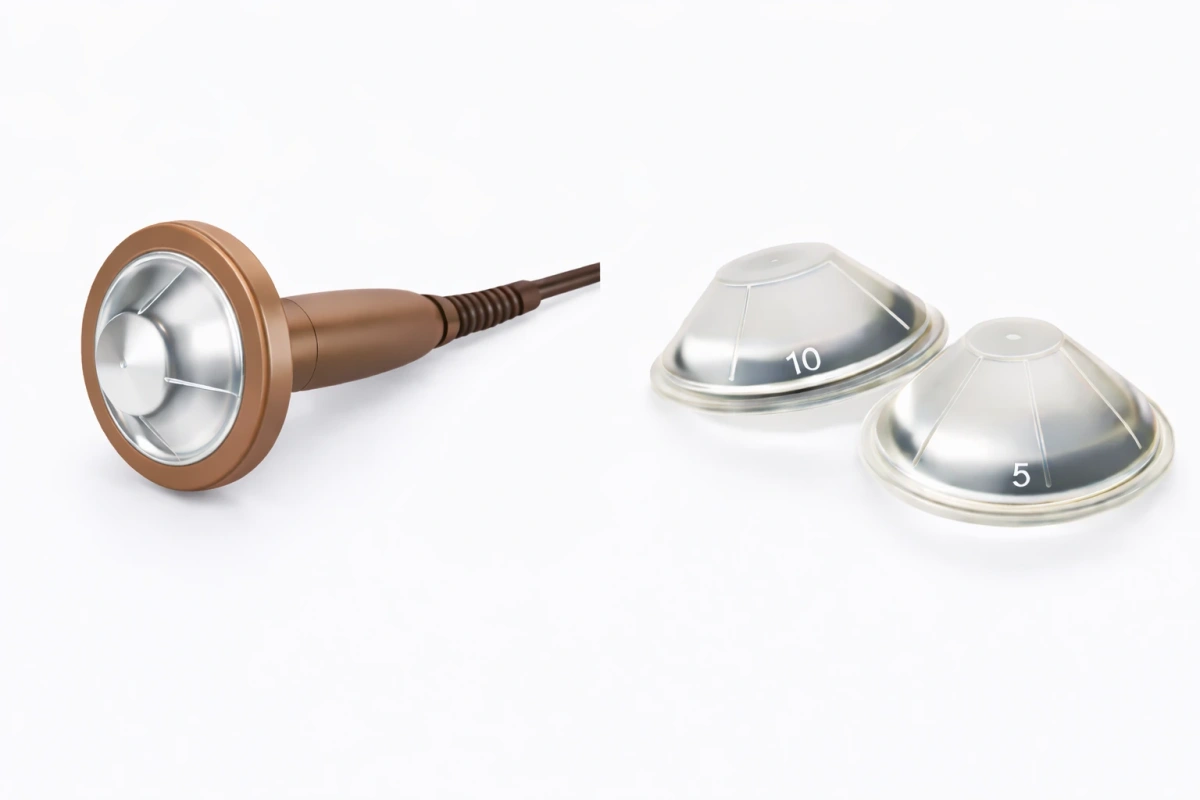
Depth control without interchangeable heads or spacers

Interchangeable spacers in some conventional focused shockwave devices for adjusting focal depth

Depth adjustment in some conventional systems

In some focused shockwave devices, focal depth can be adjusted by physically replacing spacers of different thicknesses.

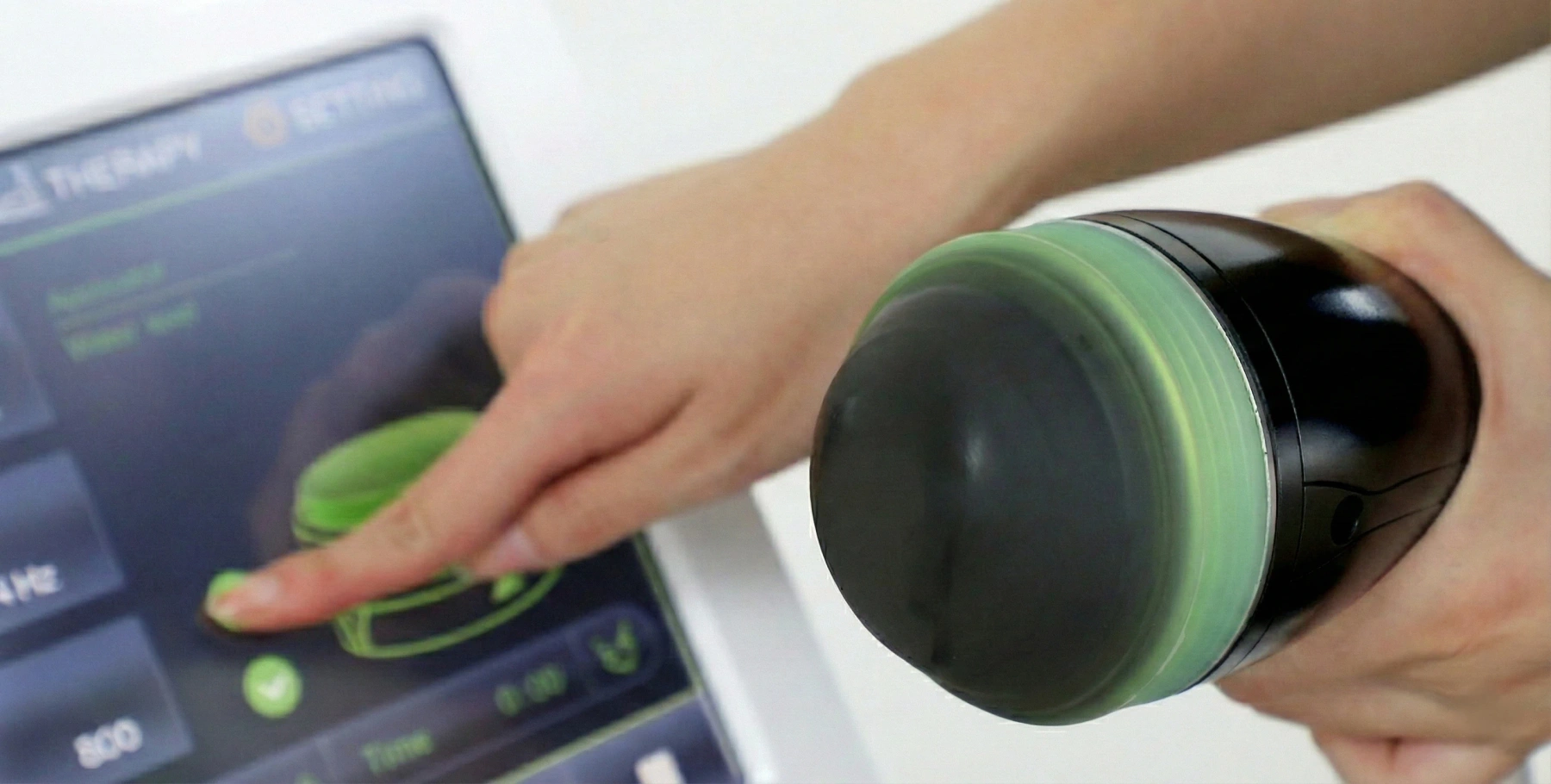
Klinogicare® Shockwave Storm Focus with electronic focal-depth control from the device interface

Electronic focal-depth control in Klinogicare® Shockwave Storm Focus

In Klinogicare® Shockwave Storm Focus, focal depth is adjusted directly from the device interface by controlling the aqueous medium in the applicator chamber.

Focal-depth adjustment as part of the clinical workflow

Conventional focused shockwave systems frequently change treatment depth by swapping spacers of different thicknesses. In practice, this may require interrupting the procedure: cleaning the applicator surface, removing one spacer, fitting another, reapplying coupling gel, and repeating the preparation until the chosen depth matches the clinical target.

Klinogicare® Shockwave Storm Focus integrates electronic focal-depth control. Focal depth is adjusted from the device interface by controlling the aqueous medium in the applicator chamber, without manual handling of interchangeable heads or spacers during preparation.

Conventional workflow with spacers Mechanically swapping spacers can interrupt preparation, require additional consumables, and lengthen treatment setup time.
Electronic focal-depth control Depth is adjusted directly from the device interface, which supports a smoother, more continuous workflow.

Klinogicare® Shockwave Storm Focus combines electromagnetic generation, transmission through an aqueous medium, and electronic focal-depth control to deliver focused shockwaves to selected anatomical target structures. The system is designed to support precise procedural logic, reduce unnecessary interruptions of the clinical workflow, and complement radial shockwave therapy when deeper or more compact target structures require focused energy delivery.

Mechanism of action

Biophysics of focused shockwaves

What happens during a focused ESWT treatment

Phase 1 - Mechanical stimulus

Activation
  • The shockwave generates shear forces and microcavitation
  • Cells interpret this stimulus as a hypoxia-like signal
  • A localized, transient ischemic reaction occurs
Duration: fractions of a second
Molecular response
Stabilizes the transcription factor
HIF-1α
(hypoxia-inducible factor)
Activates the synthesis of
VEGF
(vascular endothelial growth factor)

Phase 2 - Biological response

Effect
VEGF is associated with a regenerative cascade:
  • Reactive hyperemia (a marked increase in blood flow)
  • Angiogenic signaling (formation of new vessels)
  • Release of nitric oxide (NO)
  • Tissue repair and remodeling

Scientific note: mechanotransduction, the VEGF/eNOS/NO signaling pathways and angiogenic pathways are described in the shockwave therapy literature. Selected references: Mechanotransduction and VEGF/eNOS, cellular signaling pathways in Li-ESWT, and VEGF-related pathways and tissue repair.

Clinical note: individual clinical results may vary and depend on the diagnosis, tissue condition, treatment parameters, each patient's individual characteristics and professional clinical judgment.

Goals and areas of application

Focused shockwave therapy for precise mechanical action on deep anatomical target structures, chronic pain conditions and tissue remodeling protocols.

Klinogicare Shockwave Storm Focus applicator for focused shockwave therapy

Klinogicare® Shockwave Storm Focus

Klinogicare® Shockwave Storm Focus is an advanced, high-performance smart system for focused shockwave therapy. The device is designed for the non-invasive, high-precision support for musculoskeletal rehabilitation protocols. It concentrates targeted mechanical energy on target tissue and may help the clinician work effectively on deep structures while protecting the skin surface.

It is used in clinical practice and sports medicine for the management of chronic pain syndromes. Thanks to its greater treatment depth, the system can be integrated into protocols oriented toward deep-tissue recovery.

Targeted action for deep structures and specific anatomical targets

Clinical indications

Sports medicine and rehabilitation

  • Overuse injuries and chronic sports-related complaints.
  • Tendinopathies in high-performance athletes, including Achilles tendinopathy, patellar tendinitis and epicondylitis.
  • Ligament and tendon injuries, including strains and microtears.
  • Pain syndromes after intense training sessions.
  • Sports overuse syndromes: medial tibial stress syndrome (shin splints) and stress fractures, as part of a comprehensive therapeutic program.
  • Post-dislocation and post-traumatic regeneration: recovery of capsuloligamentous structures.
  • Support for rehabilitation and a gradual return to training.
  • Subacute and chronic pain syndromes.
  • Limited joint mobility and delayed soft-tissue recovery.
  • Scars and fibrotic changes.

Orthopedics and traumatology

  • Tendinitis, tendinosis and enthesopathies.
  • Lateral and medial epicondylitis.
  • Calcaneal spur and plantar fasciitis.
  • Calcifying tendinopathies, including calcification of the shoulder (calcific tendinitis).
  • Conditions of the insertion zones of tendons and ligaments.
  • Spinal conditions: herniated or bulging discs, as part of a comprehensive therapeutic program.
  • Delayed bone healing and nonunion, as part of comprehensive rehabilitation programs.

Neurology and pain management

  • Myofascial pain syndrome and deep trigger points.
  • Chronic muscle spasms and muscular hypertonia.
  • Referred pain syndromes.
  • Chronic pain of the lumbar, thoracic and cervical spine.
  • Postural and functional disorders.
  • Muscle spasticity, including post-ischemic spasticity and cerebral palsy (CP), as part of a comprehensive therapeutic program.

Urology

  • Vasculogenic erectile dysfunction.
  • Peyronie's disease, within specialist-supervised protocols.
  • Chronic pelvic pain syndrome.

Contraindications and considerations for use

Absolute contraindications

  • Coagulation disorders: marked coagulopathies or high-dose systemic anticoagulant therapy.
  • Oncological diseases: malignant tumors in the treatment area.
  • Thrombosis: known blood clots in large vessels within the treatment area.
  • Acute infections: febrile states and purulent inflammation in the treatment area.
  • Pregnancy: do not apply over the abdominal, pelvic and lumbar areas.
  • Electronic implants: direct application near pacemakers or internal defibrillators is contraindicated.
  • Growth (epiphyseal) cartilage: direct application in children and adolescents is contraindicated until skeletal maturity.
  • Gas-containing tissues: direct application over the lung or intestine is contraindicated.

Relative and regional limitations

  • Large vessels and nerve trunks: direct focusing of energy on the major neurovascular bundles should be avoided.
  • Corticosteroid injections: after corticosteroid administration in the treatment area, an interval of at least 6 weeks is recommended.
  • Severe neuropathy or loss of sensitivity: caution is recommended, as the patient's response may not be reliable.
  • Metal implants: direct high-energy exposure over large metal implants should be carefully assessed and avoided without a clinical indication.
  • Tattoos, scars and sensitive skin: require careful parameter selection and local tissue assessment.
  • Low pain tolerance: requires gradual parameter adjustment and ongoing communication with the patient during treatment.

Important notice

  • Unlike radial therapy, focused ESWT reaches considerably greater penetration depths; for this reason, gas-containing tissues are considered a critical absolute contraindication.
  • This is due to the physics of shockwaves: at the water-air interface, a sudden release of energy with possible microtrauma can occur.

Indications for use in spinal conditions

Focused shockwave therapy may be used, as part of comprehensive rehabilitation programs, for:

  • functional pain syndromes of the spine
  • painful components related to muscle tone and the fascia
  • overload of the paravertebral musculature
  • secondary pain syndromes related to degenerative changes

Energy is applied to the surrounding soft tissue and the areas responsible for pain, without direct exposure of the spinal cord, the spinal canal or the central structures of the spine.

Technical data

Electronic focal depth
65 mm
Treatment depth
150 mm
Frequency
10 Hz
Energy
0.45 mJ/mm²
Electronic focal depth
0-65 mm

Continuously adjustable focal depth for precise positioning of the therapeutic zone.

Effective treatment depth
150 mm

Shockwave transmission up to 150 mm to act on deep tissue.

Pulse frequency
10 Hz

Pulse frequency up to 10 Hz, adjustable according to treatment needs.

Pulse energy
0.45 mJ/mm²

Energy flux density up to 0.45 mJ/mm² for targeted therapeutic action.

HD touchscreen
HDTouch

Large, intuitive touchscreen with responsive controls.

No interchangeable heads or spacers
0 interchangeable heads or spacers

Depth adjustment is controlled directly from the device touchscreen, with no need to change spacers during preparation.

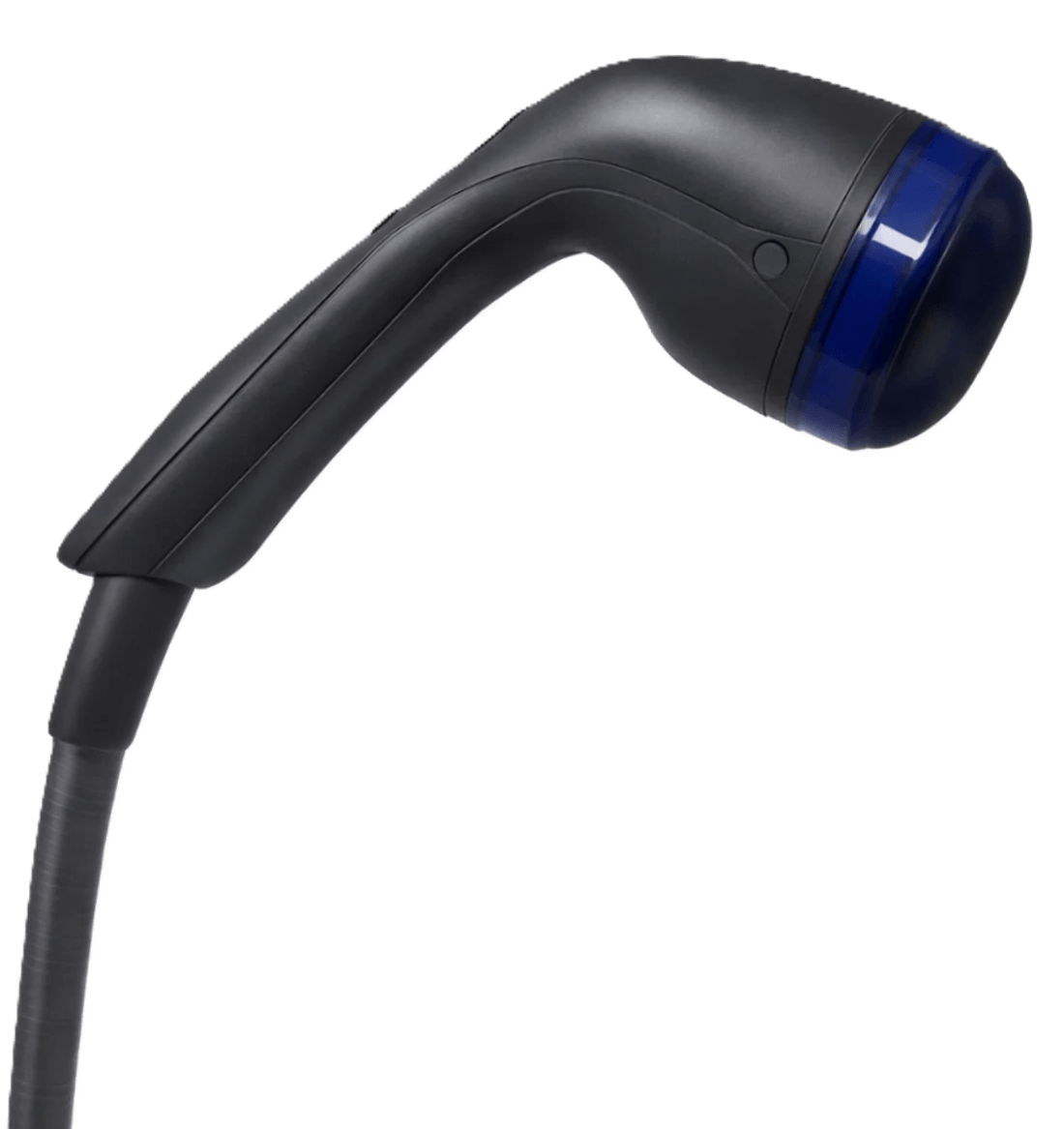
Ergonomic handpiece
LiteGrip

Lightweight handpiece with intensity buttons integrated into the grip.

Multilingual interface
GLOBAL

In addition to the EN/IT/DE/ES/PT versions, the customer's local language can be added on request at no extra cost.

Dimensions
17.7 × 17.7 × 11.8 in (45 × 45 × 30 cm)

Compact device housing for medical practices, rehabilitation centers and specialist clinics.

Weight
40 lb (18 kg)

Stable platform with easy positioning and convenient access for maintenance.

Operating voltage
100-240 V~

Power supply: 100-240 V~; 160 VA.

Mains frequency
50/60 Hz

Compatible with 50/60 Hz power networks.

Engineering note

Rationale for the key parameters

Focused shockwave therapy is a method of mechanical stimulation of biological tissues, in which the therapeutic effect comes from controlled micromechanical action of tissue structures. In the scientific literature, this process is often described through localized mechanotransduction and a controlled biological tissue response, with the activation of a cascade of reparative and angiogenic reactions.

Clinical efficacy depends less on pulse frequency than on:

  • The penetration depth of the shockwave
  • The stability of the focal zone
  • The energy density of each pulse
Clinical priority
Stable focus
10 Hz

Why the frequency is limited to 10 Hz

From the standpoint of shockwave generation physics, increasing the pulse frequency may reduce the energy available per pulse or require engineering trade-offs in terms of pulse stability, thermal management and consistency of the acoustic output.

For this reason, operating modes with frequencies of 15-20 Hz or higher should not be evaluated solely by the number of pulses. Depending on the generator architecture, higher frequencies may involve trade-offs in penetration depth, pulse stability or energy delivery per pulse, thereby reducing selectivity toward deep tissue structures.

Accordingly, in the Klinogicare® system, focused shockwave therapy is software-limited to a maximum frequency of 10 Hz. This range prioritizes the stability of pulse delivery and clinically controlled energy delivery over the maximum number of pulses, and supports a consistent penetration depth as well as the therapeutic value of each pulse.

Safety
Active protection
0.45 mJ/mm²

Why the energy density is limited to 0.45 mJ/mm²

An energy density of 0.45 mJ/mm² already lies in the high-energy range and approaches the pain threshold of most patients. A further increase in energy density considerably raises the risk of excessive soft-tissue damage, microbleeding, painful reactions beyond therapeutic need, and the loss of the controlled microstimulation principle on which the method is based.

From a clinical standpoint, exceeding this energy level does not translate into a linear increase in therapeutic benefit, but substantially increases the likelihood of adverse reactions and tissue trauma.

From a technical standpoint, the Klinogicare® system is capable of generating higher energy levels; however, the maximum threshold of 0.45 mJ/mm² is set by software. This is a deliberate engineering decision aimed at patient protection, procedure standardization and reducing the risk of inappropriate use.

FAQ

Questions and answers

Practical answers for patients and healthcare professionals about shockwave therapy and the Klinogicare® Shockwave Storm Focus system.
Important: The information in this section is provided for general informational and educational purposes only. It does not constitute medical advice, a clinical protocol, or official instructions for use (IFU). Every clinical case is unique. Therapeutic decisions and parameter selection must be made by a qualified healthcare professional. The manufacturer and the operator of this website accept no responsibility for decisions made without appropriate medical advice.

Patient questions

Sensations can range from mild discomfort to moderate pain. The intensity depends on the area treated, tissue sensitivity, and the selected parameters. In most cases, the procedure is well tolerated without anesthesia.
Generally, no. In focused systems, the wave passes through the superficial tissue, while the main sensation is felt deeper, in the target zone. The procedure is usually well tolerated and normally does not require anesthesia.
The pain response is usually related to the condition of the tissue-for example, inflammation, trigger points, chronic changes, or reduced microcirculation. This does not mean the procedure is being performed incorrectly; these areas often require more precise and careful work.
Yes, during the first 24-72 hours a temporary increase in symptoms is possible. This may be due to the activation of the body's biological recovery processes and represents an expected reaction, not necessarily a complication. If the pain is severe, progressive, or lasts longer than expected, contact the professional responsible for the treatment.
The effect is usually gradual. An improvement may be noticed after 2-4 sessions or a few days after a session, as the tissue repair processes develop.
The number of sessions is determined individually by the healthcare professional. A typical treatment course consists of 3-6 sessions, usually with an interval of 5-7 days.
It is usually recommended to temporarily reduce the load on the treated area-for example, by avoiding impact and intense strength training. The timeline for resuming training is set by the healthcare professional according to the therapeutic goal.

Practical questions

The parameters depend on the technology used - radial or focused -, the depth of the anatomical target, the clinical goal, and the experience of the healthcare professional. The same numerical values on different devices do not always correspond to the same therapeutic effect.
Not always. Exceeding the optimal parameters may not improve results proportionally and may increase the risk of unwanted tissue reactions. To protect the patient, professional systems may include software limits.
Small local bruises can appear, especially in highly vascularized areas or in people with fragile capillaries. They are generally temporary and resolve on their own.
Shockwave therapy can influence the neuromuscular and myofascial chains, not just the local target. Referred sensations are a normal physiological phenomenon, especially when working on trigger points.

For healthcare professionals

The therapeutic effect is associated with localized mechanotransduction and a controlled biological response of the tissue. Depending on the condition of the tissue and the treatment parameters, shockwave stimulation may support microcirculation, repair, and remodeling processes.
These are fundamentally different technologies. Radial shockwaves, generated pneumatically, act mainly on superficial tissue and dissipate progressively to a depth of about 3-4 cm. Focused shockwaves penetrate the tissue and concentrate energy in a defined focal zone, which may support the treatment of deeper or more localized anatomical targets that are less suited to radial devices.
It can be used as part of a multimodal rehabilitation approach, including magnetic therapy or laser therapy, whenever clinically appropriate. Important: after corticosteroid injections in the area to be treated, an interval of at least 6 weeks is usually recommended. Consult a healthcare professional for proper planning.
In some protocols, yes. Radial ESWT is commonly used for superficial muscles and fascia, while focused ESWT can be used for deeper, more localized targets. The two modalities can be combined according to the clinical indication and the preference of the healthcare professional.
Because ESWT initiates a regeneration process rather than producing only symptomatic pain relief. Neovascularization and collagen remodeling take time, often several weeks.
Unstable focusing can cause energy dispersion and reduced effective depth. Clinical results depend on the precise delivery of energy to the anatomical target, not on the peak values shown on the screen.

Technical questions

Higher pulse frequencies may require trade-offs in the energy delivered per pulse, pulse stability, thermal management, or the consistency of the acoustic emission. The 10 Hz limit is an engineering decision intended to support stable pulse delivery.
This value lies within the high-energy therapeutic range. Exceeding it may not increase the effect linearly and may raise the risk of unnecessary tissue damage.

Product appearance may vary by delivery region. The technical and functional specifications are identical across all versions.

Manufacturer:

Gatria Global LLC 66 W Flagler Street, STE 900 Miami, FL 33130, USA

Scientific research

A curated record of recent evidence from peer-reviewed specialist publications, consensus documents, and clinical reviews on extracorporeal shockwave therapy, with particular attention to focused ESWT, sports medicine, tendinopathies, bone stress injuries, and rehabilitation.

International consensus - British Journal of Sports Medicine

Recommendations for use of extracorporeal shockwave therapy in sports medicine: an international modified Delphi study

Rhim et al., British Journal of Sports Medicine, 2025

This international Delphi consensus defines current clinical indications for the use of ESWT in sports medicine. The recommendations address treatment-course planning, contraindications, procedural standards, the use of anesthesia and NSAIDs, and practical decision-making in athletes who are in active phases of training or competition.

  • Clinical relevance: provides a high-level consensus reference for ESWT in sports medicine and avoids relying solely on isolated studies.
  • Practical value: helps standardize treatment planning, patient selection, and safety limits in the sports setting.
Br J Sports Med. 2025;59:1287-1301.
Bone stress injuries - Aspetar Sports Medicine Journal

Focused shockwave therapy in the management of bone stress injuries in athletes

Omar Alsayrafi, Aspetar Sports Medicine Journal, 2026

This review summarizes the mechanisms, evidence, and emerging clinical consensus on the use of focused ESWT in bone stress injuries. It examines the role of focused waves on deep bone target tissues, mechanotransduction, angiogenesis, and osteogenesis, as well as structured return-to-sport planning.

Volume 15 - Targeted topic: Bone stress injuries - January 25, 2026
Soccer players - Life

Integrating Focused Shockwave Therapy into Rehabilitation for Groin Pain Syndrome: A Prospective Study in Soccer Players

Santilli et al., Life, 2026

This prospective study evaluates the integration of focused shockwave therapy into a rehabilitation program specific to groin pain syndrome in soccer players. The publication is directly relevant to sports medicine, as it addresses a high-load athletic population and a pain presentation that is common in soccer.

Life. 2026;16(3):509. DOI: 10.3390/life16030509

Key evidence record 2024-2026

A structured index of recent studies and reviews on focused shockwave therapy, sports rehabilitation, tendinopathies, bone stress injuries, and musculoskeletal recovery.

Recommendations for use of extracorporeal shockwave therapy in sports medicine: an international modified Delphi study
Rhim et al., 2025 - British Journal of Sports Medicine
International consensus on the use of ESWT in sports medicine, including procedural standards and safety criteria.
Consensus Sports medicine Clinical guideline
Integrating Focused Shockwave Therapy into Rehabilitation for Groin Pain Syndrome: A Prospective Study in Soccer Players
Santilli et al., 2026 - Life
Prospective study in soccer players, relevant to pain in the adductor-pubic-groin region and return-to-sport-oriented rehabilitation.
Groin pain Soccer fESWT
Focused shockwave therapy in the management of bone stress injuries in athletes
Alsayrafi, 2026 - Aspetar Sports Medicine Journal
Review of focused ESWT in bone stress injuries, focused on bone target tissues, focal depth, and athlete recovery.
Bone stress injury Athletes fESWT
Evaluating the efficacy of extracorporeal shockwave therapy in postoperative rehabilitation after anterior cruciate ligament reconstruction: A meta-analysis
Salimi et al., 2025 - World Journal of Orthopedics
Meta-analysis on ESWT in rehabilitation after ACL reconstruction, with mixed results, high variability, and a need for further standardized studies.
ACL Rehabilitation Meta-analysis
Effectiveness of focused extracorporeal shock wave therapy for suspected ulnar collateral ligament-related symptoms in competitive baseball pitchers
Hoshika et al., 2025 / eCollection 2026 - JSES International
Study in competitive baseball pitchers that reported higher return-to-sport rates and an earlier start of throwing when ESWT is added to physical therapy.
UCL Baseball Return to Play
Shockwave or Ultrasound Therapy for Tendinopathy? A Systematic Review and Meta-Analysis
Dudoń et al., 2026 - Journal of Clinical Medicine
Meta-analysis comparing shockwave therapy and ultrasound in upper- and lower-limb tendinopathies, with variable evidence quality among the included clinical trials.
Tendinopathy Meta-analysis ESWT vs ultrasound
Pain, Function, and Elastosonographic Assessment After Shockwave Therapy in Non-Calcific Supraspinatus Tendinopathy
Santilli et al., 2025 - Journal of Functional Morphology and Kinesiology
In vivo elastosonography relating shockwave therapy to tendon morphology, function, and the mechanical properties of the tissue.
Elastosonography Supraspinatus Tendon structure
Long-Term Efficacy of Combined Focused and Radial Extracorporeal Shockwave Therapy for Gluteus Medius Tendon Pathology: A Pilot Study
Fulceri et al., 2024 - Life
Pilot study on the combination of focused and radial ESWT in gluteus medius tendon pathology, with long-term functional follow-up.
Gluteus medius Hip pain Long-term follow-up
Comparison of laser therapy and extracorporeal shock wave therapy in the treatment of patients with plantar fasciitis: a systematic review and meta-analysis
Alotaibi et al., 2026 - Lasers in Medical Science
Systematic review and meta-analysis comparing ESWT, LLLT, and High Intensity Laser Therapy (HILT) in chronic plantar fasciitis.
Plantar fasciitis ESWT vs laser Meta-analysis
Extracorporeal Shockwave Therapy for Tendinopathies Around the Hip and Pelvis: A Systematic Review
Rau et al., advance publication 2025 - HSS Journal, 2026 issue
Systematic review of tendinopathies in the hip and pelvis region, including gluteal conditions, proximal hamstring pathology, and related regional disorders.
Hip Pelvis Systematic review
Case Report: Focused shockwave therapy (fESWT) in thumb carpometacarpal joint osteoarthritis: a single case study
Gustafsson and Ryman Augustsson, 2026 - Frontiers in Rehabilitation Sciences
Single case report on the use of fESWT in osteoarthritis of the thumb carpometacarpal joint, with functional follow-up.
fESWT Case report Osteoarthritis
Effect of extracorporeal shockwave therapy for rotator cuff tendinopathy: a systematic review and meta-analysis
Xue et al., 2024 - BMC Musculoskeletal Disorders
Systematic review and meta-analysis on ESWT for rotator cuff tendinopathy, including shoulder pain and functional outcomes.
Rotator cuff Shoulder Meta-analysis
Scientific databases and search tools

Find more publications on focused extracorporeal shockwave therapy and sports rehabilitation:

Contact Us

By submitting this form, I confirm that I have read and accepted the Privacy Policy.
Message us on WhatsApp