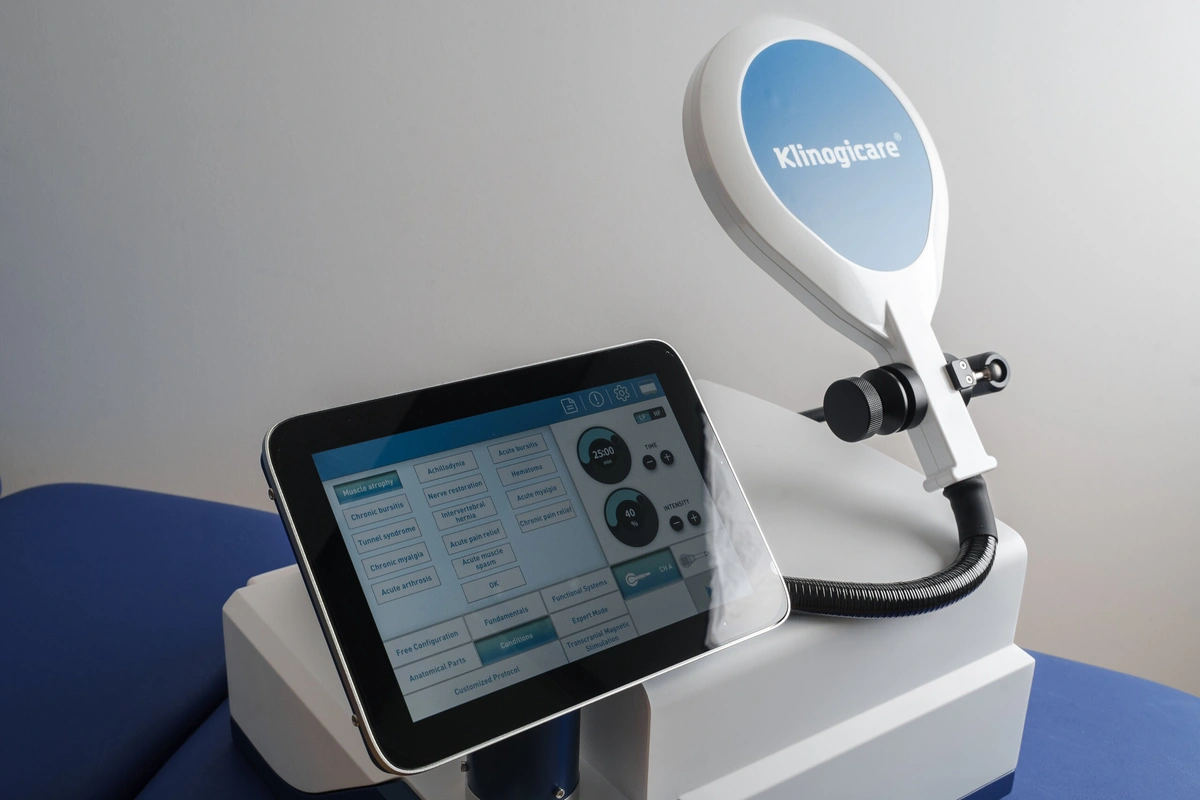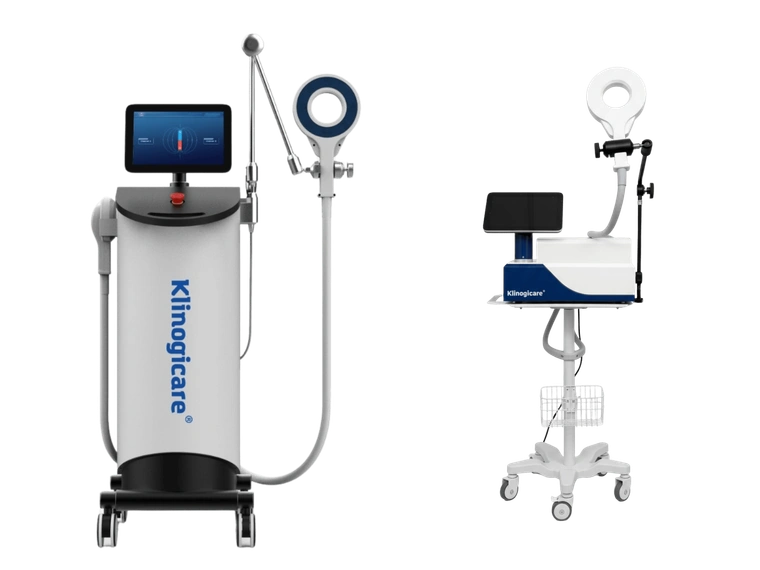
Klinogicare® Quantum Magnetic Storm

High-intensity magnetic stimulation device

Klinogicare® Quantum Magnetic Storm high-intensity magnetic stimulation device

Designed for applications that require deep, precise stimulation.
Designed to support deep stimulation with Super-Transduction technology.

Applicators of 3 / 5 / 7 Tesla

The adaptive matrix allows precise intensity selection: 3 T (small applicator) for sensitive areas, 5 T (medium) for joints, and 7 T (large) for deep treatment of large muscle groups and patients with a high BMI. The field intensity is adjusted continuously within the range of each applicator.

Hybrid modulation: MT and ST modes

Two technologies in a single device. The Muscle Treatment mode is geared toward muscle activation and may help reduce spasms, while the Super-Transduction mode may support functional recovery processes at frequencies of up to 3,000 Hz.

Cooling system Aqua Flow

Unlike air-cooled alternatives, liquid cooling of the inductors helps maintain stable induction even in high-use clinical environments. Up to 10 hours of continuous operation while helping maintain thermal stability.

High-intensity pulsed magnetic stimulation system for versatile applications: from neurorehabilitation and sports medicine to functional treatment of soft-tissue conditions

Page summary

Scientific representation of the analgesic effect and the mechanisms of deep neuromodulation
Biophysics and mechanisms

Mechanisms of deep neuromodulation and regeneration

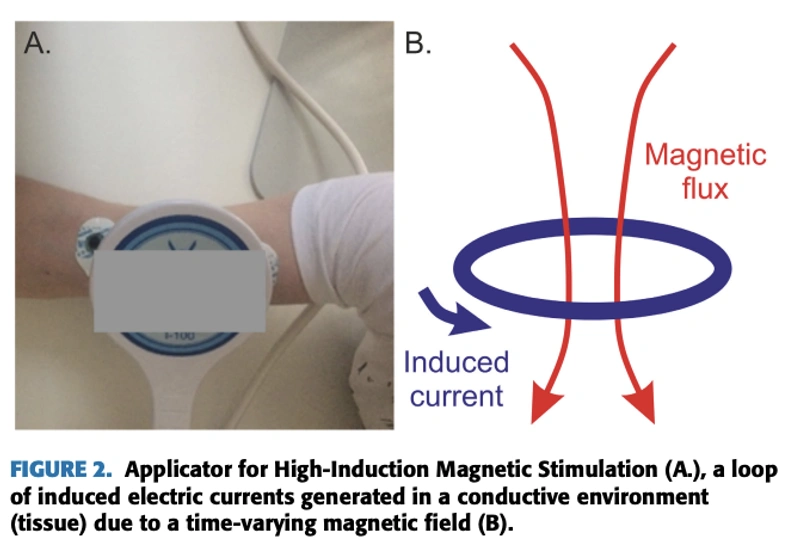
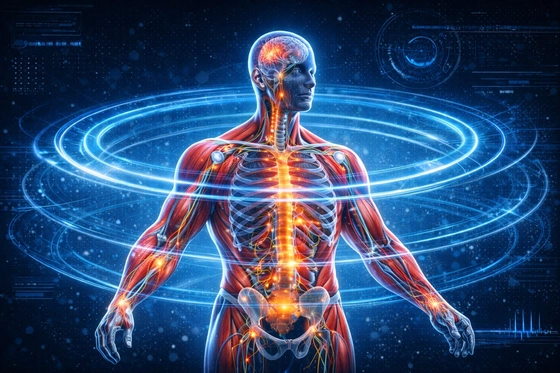
High-intensity pulsed magnetic fields can penetrate deep into the tissue and induce electrical currents that influence neuromuscular activation, microcirculation, and recovery processes.

Main effects
  • Support for pain-intensity reductionActivation of gate control pain mechanisms and inhibition of nociceptive signal transmission.
  • NeuroplasticityStimulation of neuronal depolarization, support for neuromodulation and the functional response of nerve structures.
  • Tissue perfusionImproved blood circulation and support for tissue regeneration.
Representation of the Klinogicare® Quantum Magnetic Storm platform and its technical architecture
Quantum Magnetic Storm engineering architecture

High induction combined with elevated dB/dt

The system is based on a pulsed-power architecture.

Technology basis
  • Pulsed power up to 65,000 T/sDetermines the amplitude of the induced electric field and creates the conditions for depolarization of deep neuromuscular structures.
  • Aqua Flow thermal stabilizationThe cooling circuit stabilizes the pulse parameters during prolonged, high-load operation, without technical pauses.
  • Cascade induction up to 7.0 TeslaAllows work on both sensitive anatomical areas and large muscle groups.

This configuration can generate magnetic pulses with a short rise time and a stable amplitude across the entire range of operating modes. It helps to effectively induce an electric field in deep tissue and supports the emergence of a reproducible neuromuscular response.

Neuromuscular activation cascade

Below is a biophysical sequence of events: from the propagation of a pulsed magnetic field in the tissue to neuromuscular depolarization and the emergence of a sustained clinical effect.

Phase 1: neuromuscular activation
Deep propagation of magnetic induction
Action on tissue without contact transmission.
A high-intensity alternating magnetic field passes unobstructed through clothing, skin, soft tissues, and bone structures, allowing it to act on deep neuromuscular elements.
A rapidly changing magnetic field induces a local electric field in the tissue without the need for direct contact with the skin, which supports high tolerability of the procedure.
Depolarization of motor neurons and onset of the action potential
Suprathreshold activation of neuromuscular transmission.
The induced electric field stimulates the motor nerves, causes membrane depolarization and the generation of an action potential, leading to a physiological contraction of the muscle fibers without voluntary effort from the patient.

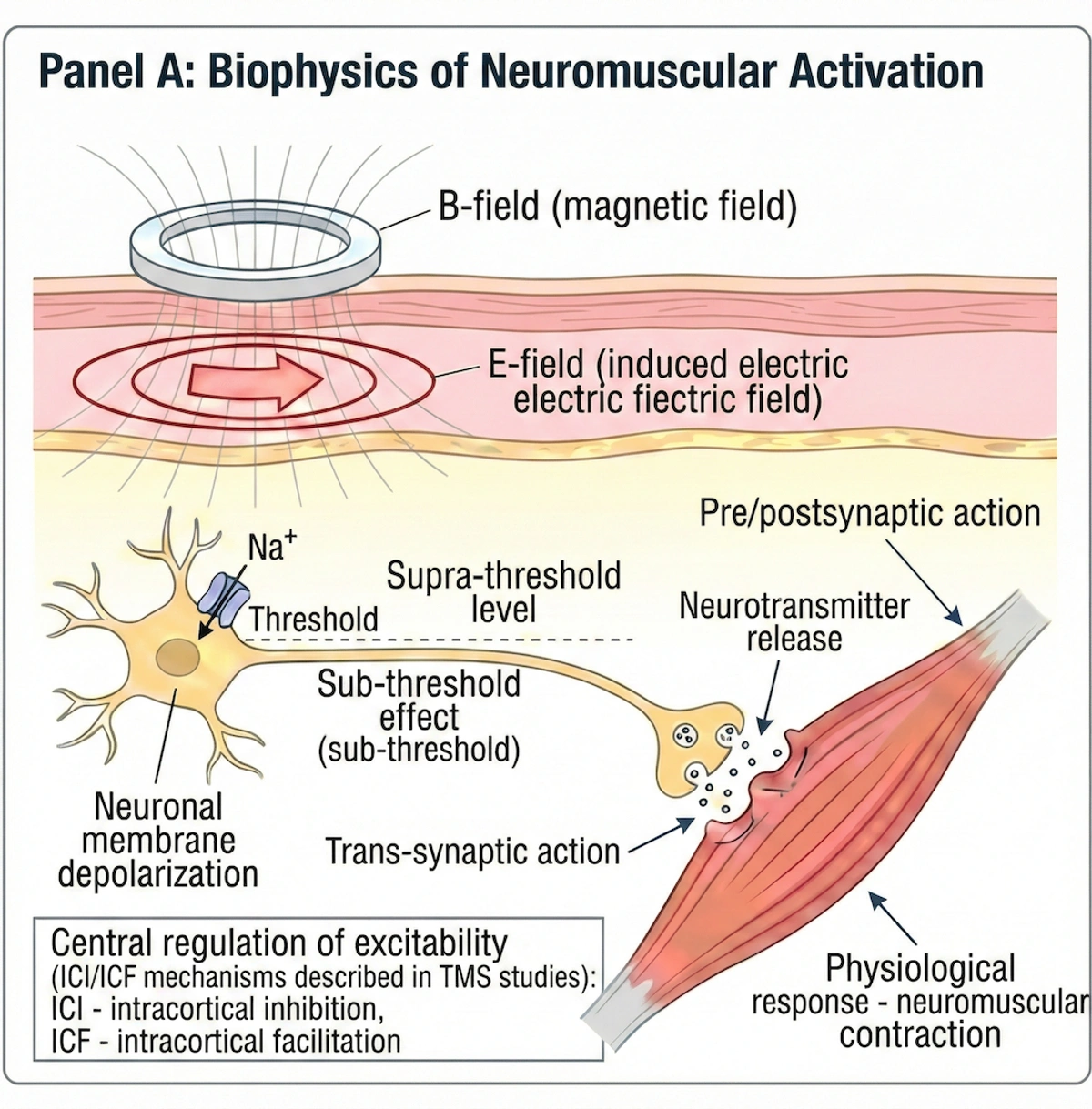
B→E→depolarization cascade

Diagram of the B→E→depolarization neuromuscular activation cascade
The diagram shows the B→E→depolarization sequence, reflecting the central phases of neuromuscular activation: induction of the electric field and subsequent synaptic transmission of the signal to the muscle fiber.
  • Electric field induction (B→E)
  • Suprathreshold neuronal depolarization
  • Synaptic transmission to the muscle fiber
Phase 2: tissue and functional response
Repeated muscle contractions activate cellular metabolism, may improve local microcirculation, and stimulate repair processes in tissue structures.
Increase in functional muscle capacity
Adaptive effect through cyclic stimulation.
Magnetic stimulation performed cyclically may support strengthening of supporting muscle function and help increase tone and endurance, an essential aspect in sports and post-traumatic rehabilitation programs.

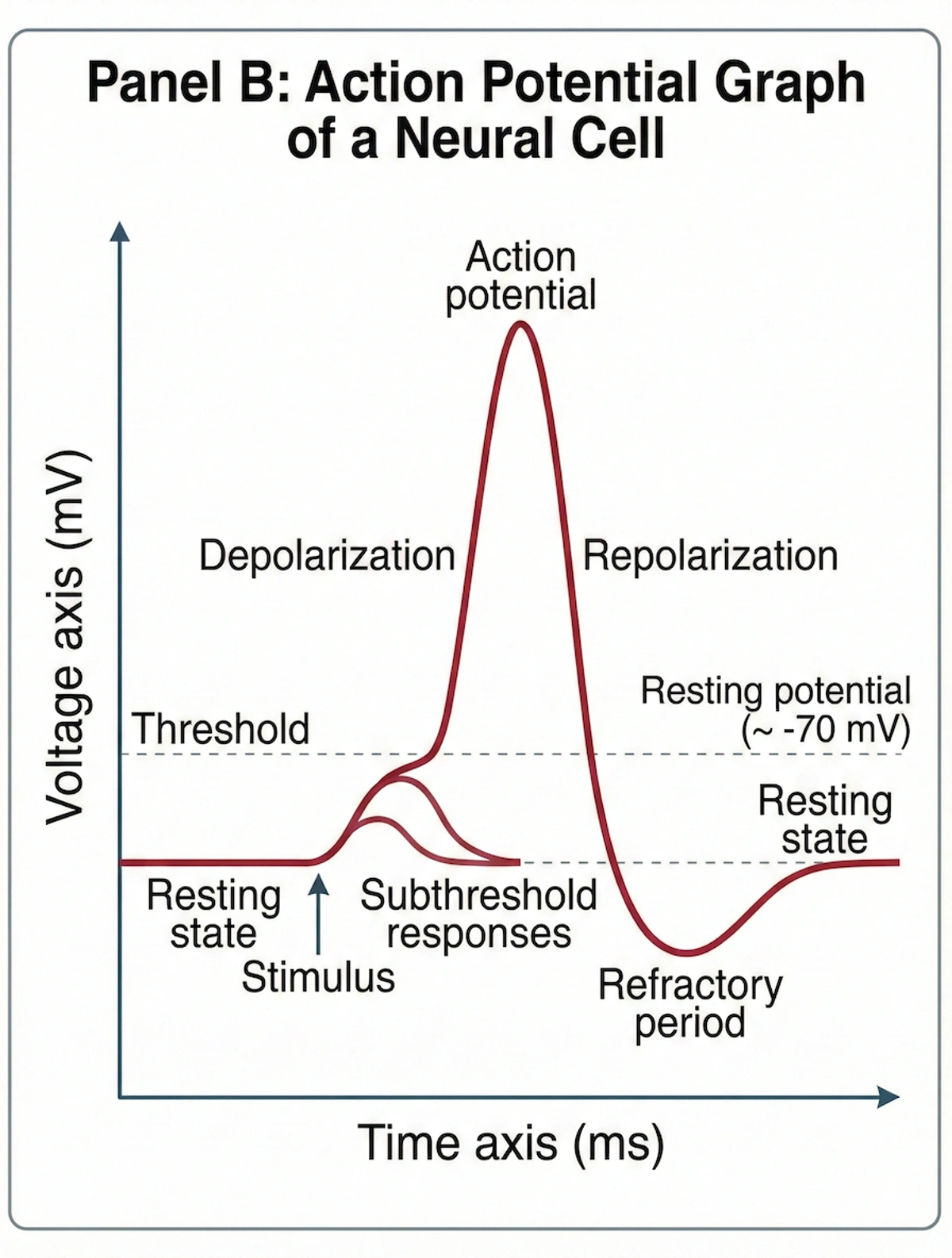
Neuronal action potential

Diagram of the phases of a neuron's action potential
The diagram illustrates the main phases of the action potential: reaching the membrane excitation threshold, depolarization, repolarization, and the refractory period, which determines the limits of repeated stimulation.
  • Membrane excitation threshold
  • Phases of the action potential
  • Absolute and relative refractory period

Sustained therapeutic effect

Clinically, reduced pain and decreased muscle hypertonia, improved functional mobility, restoration of motor control, and strengthening of the pelvic floor muscles may be observed. The effect may build with cyclic application and may support recovery after injuries and surgical procedures, while helping to reduce the intensity of the chronic myofascial pain.

Frequency ranges and effects

Summary table: the relationship between the physiological response and the pulse frequency, along with the main corresponding application goals.

Approximate frequency ranges, physiological responses, and application areas of high-intensity magnetic stimulation.
Range Physiological response Application area
2-7 Hz
Vasoactive effect, lymphatic drainage Edema reduction, restoration of microcirculation
8-25 Hz
Myostimulation, perfusion "pumping" Muscle strengthening, improved tissue perfusion
30-70 Hz
Metabolic activation of deep layers Aesthetic correction, improvement of local metabolism and the structure of subcutaneous adipose tissue
80-120 Hz
Deep analgesia and neurostimulation Pain management, restoration of nerve conduction
Note: the ranges are approximate values and serve as a basic reference for describing the predominant effects. The precise selection of parameters is made by the specialist based on the individual clinical therapeutic goal.

Main therapeutic goals

Relief of acute and chronic pain, non-pharmacological analgesia
Deep muscle stimulation and support for reducing the risk of disuse-related muscle atrophy after trauma and surgical procedures
Recovery of neuromuscular control and movement patterns
Reduction of muscle spasms and correction of pathological hypertonia
Strengthening of the pelvic floor muscles (urogynecological rehabilitation)
Improvement of joint mobility and recovery of range of motion
Treatment of neuropathies and reduction of muscle weakness
Sports rehabilitation and accelerated return to training

Anatomical atlas of application areas

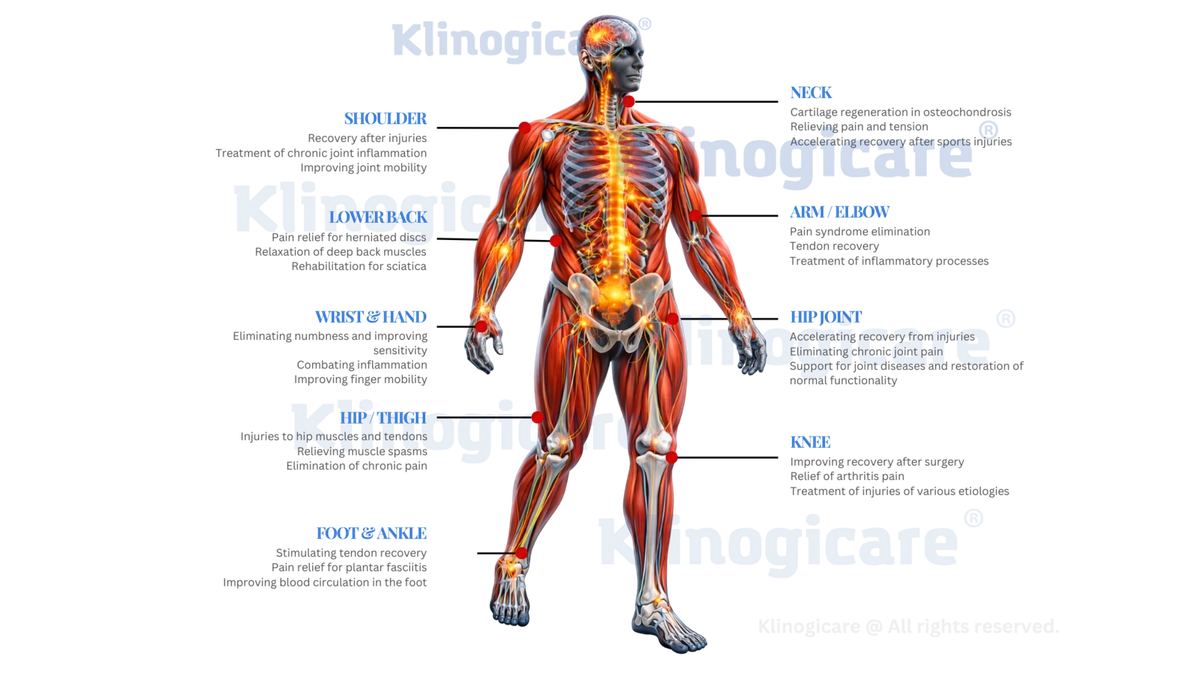
Mapping of therapeutic application zones BODY_MAP_V2.0
Thanks to three specialized applicators of different diameters and a greater depth of induction, the Klinogicare® system is designed to support targeted treatment of pathological foci in any anatomical region of the body.
Anatomical atlas showing the main therapeutic application zones of Quantum Magnetic Storm on the spine, joints, peripheral regions, large muscle groups, and pelvic floor

Spinal zone

Treatment of the cervical, thoracic, and lumbar spine. Deep action on the paravertebral muscle groups, relief of spondylogenic pain, and reduction of the tonic-muscular pain in spine-related syndromes.

Large joints

Shoulder, elbow, hip, and knee joints. Use of the high-frequency Super Transduction mode to stimulate cartilage metabolism and support regenerative processes.

Peripheral regions

Wrists, hands, ankles, and feet. Treatment of small joint structures, support for neuromodulation and the functional response of peripheral nerve structures in nerve entrapment syndromes and neuropathies.

Large muscle groups

Functional myostimulation of the abdominal, gluteal, and thigh muscles. Used in active rehabilitation programs after immobilization, as well as for high-intensity aesthetic body shaping.

Pelvic floor

Specialized extracorporeal stimulation of the pelvic floor muscles. Used to strengthen the pelvic floor and in urogynecological rehabilitation programs, without the need for direct skin contact.

Clinical indications

Sports medicine and functional rehabilitation

  • Optimization of the recovery phases: support for a structured return-to-play process through the intensification of local metabolism.
  • Functional support: integration into rehabilitation programs for muscle, ligament, and tendon injuries (strains, microtears), as part of comprehensive treatment.
  • Management of overload syndromes: pain reduction and a decrease in the tonic-muscular component in tendinopathies (Achilles tendinopathy, patellar tendinitis, epicondylitis).
  • Prevention of secondary degeneration: prevention of disuse atrophy and of the deterioration of neuromuscular connections during phases of forced immobilization.
  • Muscle relaxation: correction of post-exercise hypertonia and of functional disorders after intense exertion.
  • Tissue remodeling: treatment of scar and fibrotic changes in soft tissues in the late phase of functional rehabilitation, under specialized medical supervision.

Orthopedics and traumatology

  • Management of pain syndromes: reduction of pain intensity and of functional limitations in degenerative and dystrophic joint diseases (osteoarthritis in stages I-III).
  • Correction of enthesopathies: use in rehabilitation programs for conditions of the insertion zones of tendons and ligaments (including calcifying changes).
  • Functional foot therapy: treatment of pain syndromes in plantar fasciitis and in overload-related changes of the aponeurosis.
  • Spinal support: correction of the tonic-muscular and fascial pain in degenerative changes of the spine (without direct action on the structures of the spinal cord).
  • Stimulation of reparative processes: stimulation of the physiological regeneration of the musculoskeletal system after trauma and orthopedic interventions, as part of combined protocols.
  • Kinesiological adaptation: recovery of the physiological range of motion and elimination of functional blockages in the post-traumatic period.

Neurology and neurorehabilitation

  • Targeted neuromodulation: action on myofascial pain syndrome and deactivation of deep trigger points with a pronounced muscular component.
  • Activation of motor patterns: neuromuscular rehabilitation and recovery of motor control in neurological rehabilitation programs (including post-stroke), under strict specialized medical supervision.
  • Management of hypertonia: reduction of pathological spasticity and correction of muscle tone within comprehensive neurological programs.
  • Peripheral support: stimulation of nerve conduction in functional muscle weakness, neuropathies, and pareses.
  • Segmental intervention: neuromodulatory effects in chronic pain syndromes of the cervical, thoracic, and lumbar spine.

Pelvic floor rehabilitation

  • Functional pelvic floor training: extracorporeal strengthening of the pelvic diaphragm musculature in urogynecological rehabilitation programs.
  • Correction of incontinence: non-invasive support in stress and mixed urinary incontinence through high-intensity functional stimulation.
  • Postpartum recovery: rehabilitation of the neuromuscular control of the pelvic ring structures and of muscle tone in the period after childbirth.
  • Management of pelvic pain: neuromuscular support and reduction of the spastic component in chronic pelvic pain syndromes.
  • Contact-free stimulation: functional improvement of the endurance of the pelvic floor musculature without the use of invasive probes or electrodes.

Important notice

This information is for informational purposes only and does not constitute a direct medical recommendation or instructions for use. High-intensity pulsed magnetic stimulation may be considered part of a comprehensive multidisciplinary rehabilitation. The selection of therapeutic parameters, application modes, and target zones is the sole responsibility of a qualified medical specialist, based on the patient's individual clinical condition and the applicable medical standards.

Contraindications and conditions of use

Absolute contraindications

  • Electronic implants: presence of pacemakers, implantable cardioverter defibrillators (ICDs), neurostimulators, insulin pumps, and any active medical device, due to the risk of electronic malfunctions in high-intensity magnetic fields.
  • Ferromagnetic implants in the treatment area: presence of metallic elements made of ferromagnetic alloys (magnetizable structures, clips, fragments), with a potential risk of displacement or local heating from the induced currents.
  • Pregnancy: high-intensity stimulation is not applied to the abdomen, pelvis, or lumbar region.
  • Oncological diseases: presence of malignant neoplasms in the treatment area.
  • Acute infectious processes: conditions with significant fever, systemic infections, and purulent inflammatory changes in the treatment area.
  • Severe cardiac arrhythmias: application near the precordial area is permitted only after a specialist's assessment and the exclusion of risks.

Relative and zonal restrictions

  • Precordial area: direct high-intensity stimulation over the projection of the heart should be avoided, especially in patients with cardiac conditions.
  • Pediatric growth zones: exposure of the active growth plates in children and adolescents is performed only with strict indications and under specialized medical supervision, due to the limited clinical evidence on high-intensity stimulation during growth.
  • Metallic structures (non-ferromagnetic): the presence of titanium implants, endoprostheses, and osteosynthesis material requires caution and continuous monitoring of the patient's subjective sensations (sensations of vibration or local heating may occur).
  • Pelvis and urogynecological protocols: application in the pelvic area is performed exclusively by a medical specialist, taking into account the patient's individual condition and the clinical objective.

Important safety clarification

Klinogicare® Quantum Magnetic Storm belongs to the class of high-intensity pulsed magnetic stimulation systems, with an induction of up to 7.0 Tesla, which requires strict compliance with safety rules.

  • Interaction with metal and electronics: a high-intensity field induces strong eddy currents in electrical conductors. Electronic devices (smartphones, watches), bank cards, and sensitive equipment should not be near an operating inductor, in order to avoid damage.
  • Head area: the system is not intended for transcranial use. To act on brain structures, only the rTMS method is used on specialized equipment of a different power class. Quantum Magnetic Storm is used for the treatment of somatic zones, excluding the cranial projection.

Conditions of use in spinal disorders

High-intensity pulsed magnetic stimulation can be used as part of comprehensive rehabilitation programs in:

  • functional tonic-muscular syndromes
  • fascial and paravertebral pain
  • chronic hypertonia of the deep back musculature
  • recovery after overload and surgical interventions

Unlike methods of mechanical action, an alternating magnetic field passes through tissue with minimal attenuation compared with optical methods and can stimulate the deep paravertebral musculature and the nerve plexuses without direct trauma to the tissue.

Hardware architecture

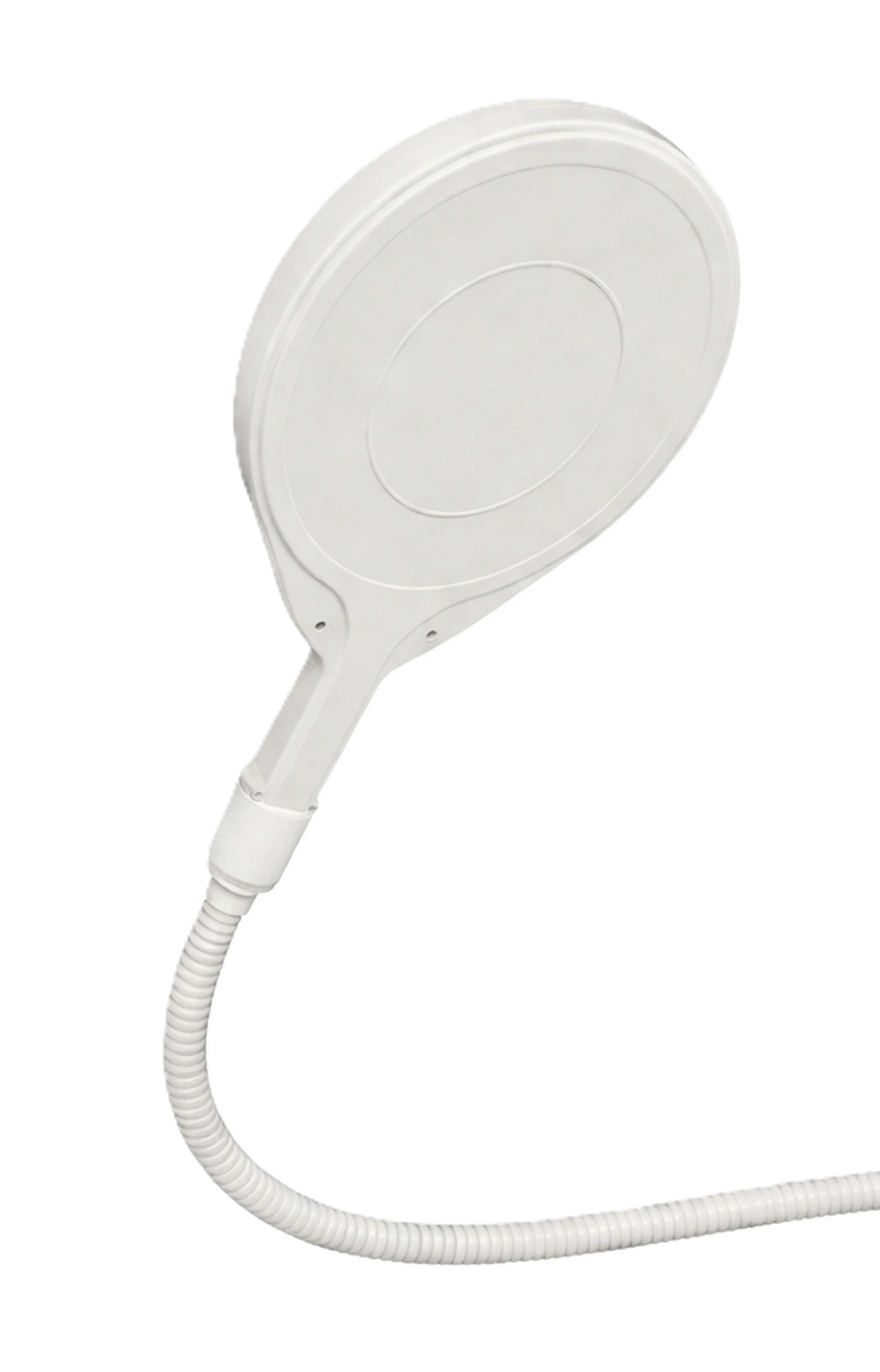
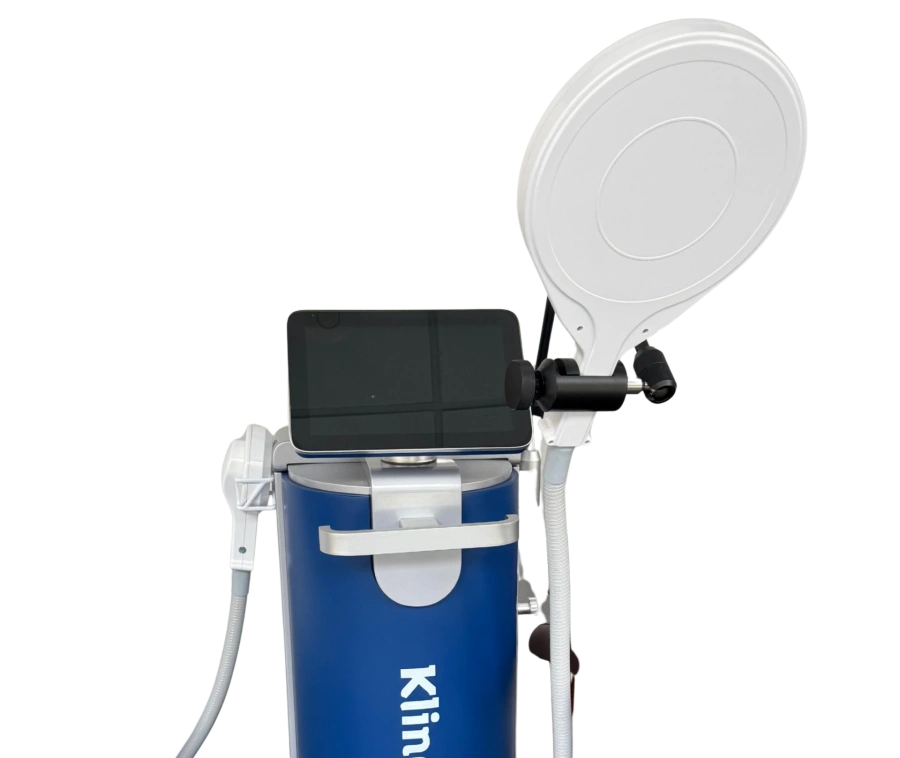
Klinogicare Quantum Magnetic Storm applicator

Klinogicare® Quantum Magnetic Storm

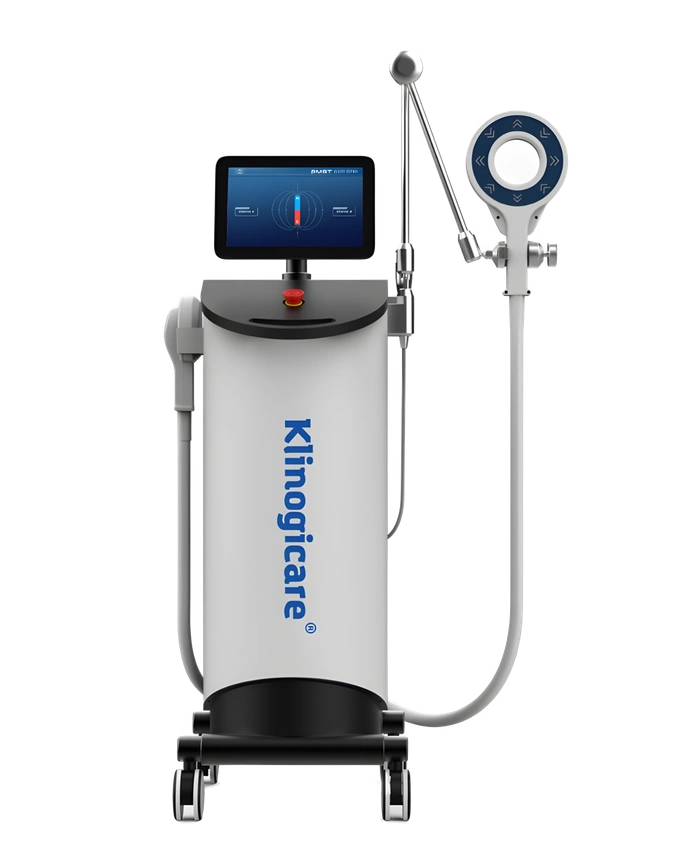
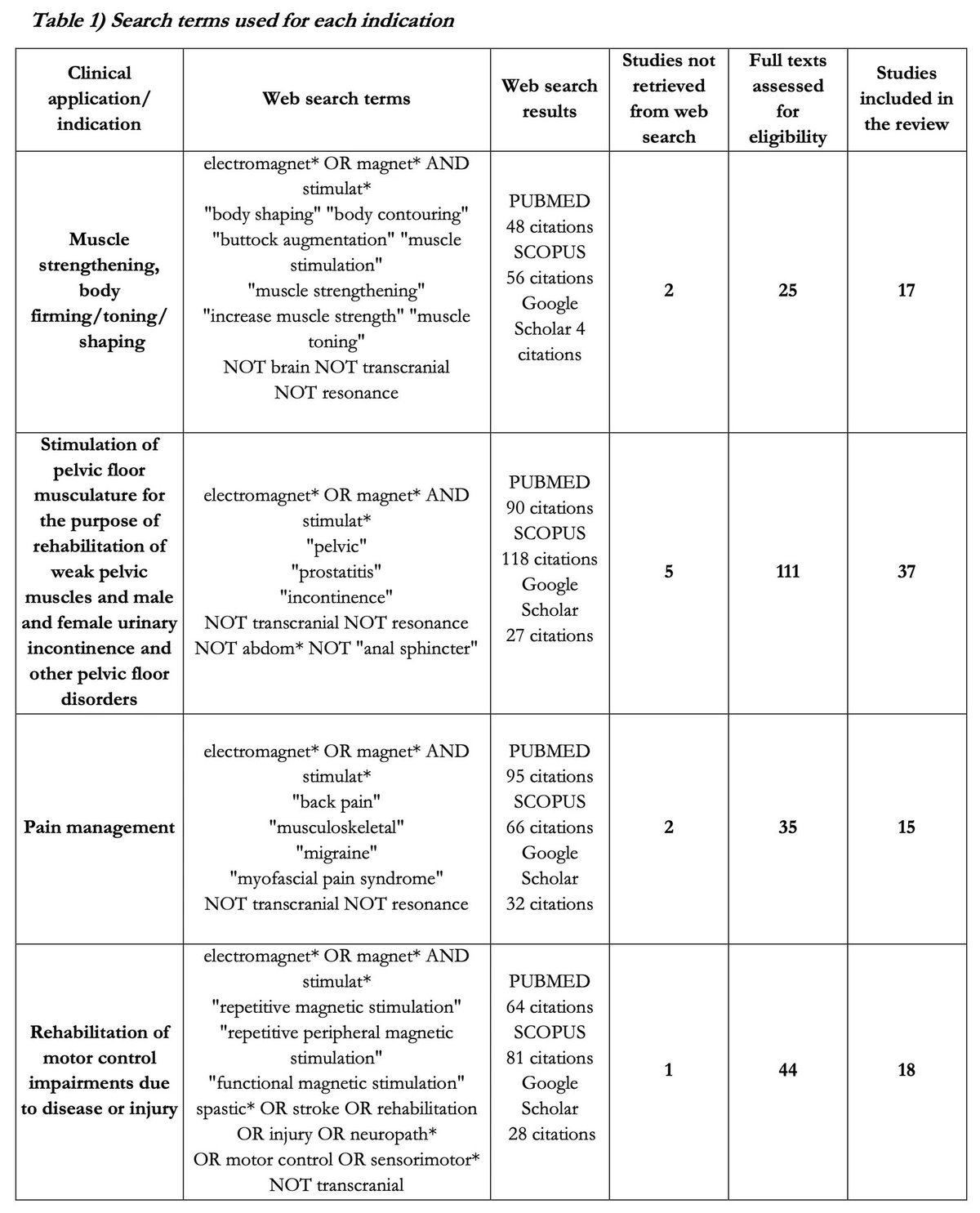
Klinogicare® Quantum Magnetic Storm is a new-generation, high-performance intelligent system for high-intensity pulsed magnetic stimulation. The device is designed for the non-invasive functional therapy of neuromuscular and musculoskeletal structures through deep electromagnetic induction, without direct contact with the skin.

The system is designed to support the targeted activation of motor neurons, support the management of muscle hypertonia, and stimulate functional recovery processes in the deep tissue layers. Thanks to its high induction power and its hybrid operating modes, Quantum Magnetic Storm is used in clinical and sports practice as a versatile tool for comprehensive rehabilitation, pain management, and functional recovery after injuries and surgical interventions.

Advanced applications for high-intensity therapies

Specifications

Configuration options
2 channels
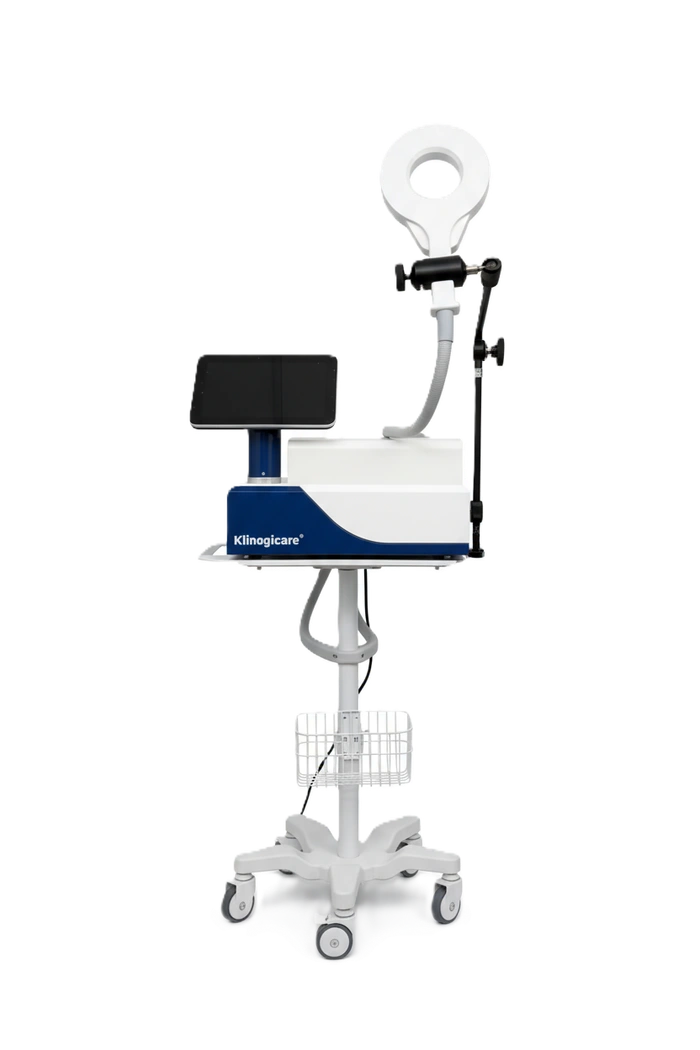
Klinogicare Quantum Magnetic Storm DUO
Klinogicare® Quantum Magnetic Storm
DUO
1 channel
Klinogicare Quantum Magnetic Storm UNO
Klinogicare® Quantum Magnetic Storm
UNO
Operating mode
Muscle Treatment mode (MT) - 1-150 Hz Effective stimulation of the muscle fibers, improved blood circulation, reduced tension, and support for regeneration.
Super Transduction mode (ST) - 1,000-3,000 Hz Deep penetration into dense structures (joints, bones), intensive regenerative support.
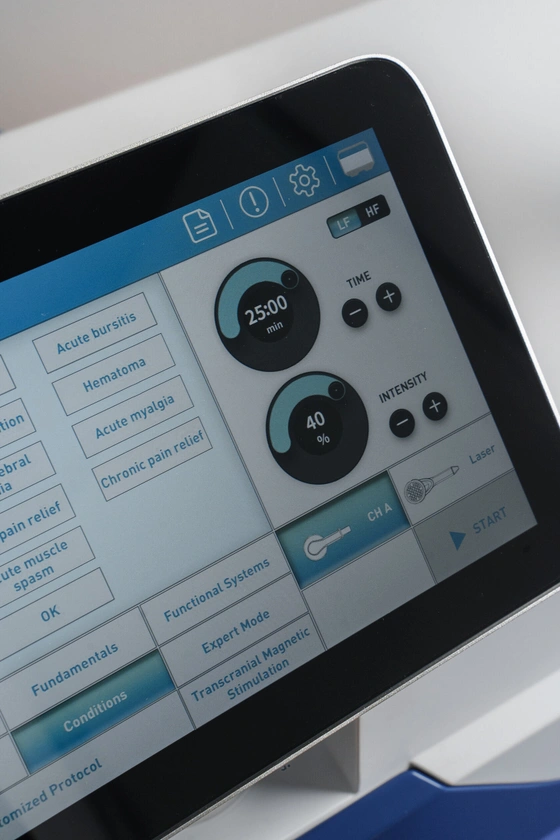
Control display 10" (DUO) / 8" (UNO) - color touchscreen
Induction intensity 0.1-7.0 Tesla (adjustable)
dB/dt up to 65,000 T/s
Programs Preconfigured protocols + clinical guidance
Cooling Patented Aqua Flow system (water) - up to 10 hours of continuous operation
Dimensions (cm)
43 × 38 × 105 (16.9 × 15 × 41.3 in) (DUO)
43 × 38 × 50 (16.9 × 15 × 19.7 in) (UNO)
Weight 55 kg (121 lb) (DUO) / 38 kg (UNO)
Applicator set (PRO SERIES)
  • Small applicator (diameter 13 cm)
  • Ring applicator (diameter 20 cm)
  • Large applicator (diameter 26 cm)
Service and warranty
  • Support with installation and user training
  • Warranty conditions may vary by region
  • Support available in English (and in local languages upon request)
Design principle

Clinically Engineered. Driven by science. Built for the practice.

Selection guide

Parameter reference

Essential criteria.

Power
Frequency
Number of channels
Applicator range
Portability
Service
Built-in programs
Cooling type

Induction (power)

Defines the intensity of the magnetic field. The higher the value, the deeper and more intense the stimulation of the nerves and muscles, which supports the activation of deep structures.

Superficial (2-3 T)
Deep (5-7 T)

Frequency range

Determines the depth of neurostimulation and the type of therapeutic effect.

Range 1-150 Hz
Reference range for muscle and nerve stimulation.
Range 1,000-3,000 Hz
Enables analgesic protocols and neuromodulation.

Cooling system

Type Characteristics
Air Maintenance-free, but requires technical pauses during prolonged use.
Liquid Allows up to 10 hours of continuous operation without interruption. However, it requires a water change in the circuit every 4 weeks.

Number of channels

  • 1 channel: work on a single area (one patient).
  • 2 channels: simultaneous work on two muscle groups (or two patients).

Anatomical adaptation of the applicators

Different anatomical areas require a different field geometry and inductor diameter.

Small applicator Joints and sensitive areas. Minimizes field dispersion and avoids the activation of surrounding structures. Essential for the hand, the ankle, and local trigger points.
Ring applicator Versatile in use. Optimal for the hip region and the inner thigh, where a large inductor can cause excessive stimulation of the bony landmarks.
Large applicator Large muscle groups. Developed for the quadriceps, the glutes, and the paravertebral zones: maximum coverage for high-intensity protocols, including sports programs.

Support ecosystem

  • Setup and commissioning.
  • Training.
  • Warranty and post-warranty support.
  • Authorized technical service (technicians and spare-parts warehouse).
  • Trade-in program for returning customers.
  • Demonstration session with the device before purchase.

Portability

The dimensions and weight affect mobility and ease of positioning. Large, heavy systems limit use away from the location or in confined spaces.

Built-in programs

A library of protocols for a quick start, as well as an advanced mode for manual adjustment of the parameters.

Why dB/dt matters, not just the Tesla value

IMPORTANT

Many compare magnetic stimulation systems by their peak induction (Tesla). However, the clinical effect does not depend solely on the peak field value, but also on the rate at which the field changes over time: the dB/dt parameter.

According to Faraday's law of electromagnetic induction, it is precisely this rate of change of the magnetic pulse that generates the induced electric field in the tissues:

This electric field is the immediate cause of nerve fiber depolarization and muscle contraction. For this reason, in high-performance systems it is not simply a matter of a "high Tesla" value, but of the ability to generate a fast, powerful pulse rise edge.

In simple terms:

  • Tesla (B) - is the "peak value" of the field.
  • dB/dt - is the "effect" of the pulse that triggers neuromuscular modulation.

It is possible to have high induction together with slow pulses, in which case the effect is limited. High-performance systems are evaluated precisely by the power of their pulse.

Quantum Magnetic Storm reaches up to 65,000 T/s (dB/dt), a value that corresponds to suprathreshold neurostimulation of deep structures and reflects its classification as HIMS/ST.

What does a high dB/dt value enable in practice?
  • Suprathreshold stimulation - enables a pronounced contraction of deep muscles, even in athletes with developed musculature and patients with a high BMI.
  • Depth of the therapeutic window - the ability to work on the pelvic floor, paravertebral musculature, and other structures with limited access for low-intensity PEMF systems.
  • Technical credibility of the high-intensity class - a high dB/dt value reflects the quality of the pulse architecture: power capacitors, low-loss coils, and the ability to deliver a powerful pulse without loss of performance.
How it appears on the spec sheet

It is important to consider all parameters

  • "3 Tesla"
  • "Super Inductive"

When making a purchase decision, it is necessary to check the device's complete technical profile:

  • Peak value 7.0 Tesla
  • 65,000 T/s dB/dt
  • Frequency range up to 3,000 Hz
Induction intensity: 0.1-7.0 Tesla (continuously adjustable)
Quantum Magnetic Storm provides continuous field regulation, from gentle levels of 0.1-3.0 T for sensitive areas up to the peak value of 7.0 T for deep stimulation of large muscle groups. High induction supports the formation of a suprathreshold electric field in deep tissue and substantially differentiates the system from low-intensity solutions, which operate exclusively in a gentle metabolic-support mode.

dB/dt: up to 65,000 T/s
The decisive efficacy criterion for pulsed HIMS systems is not only the peak Tesla value, but also the field's rate of change (dB/dt). dB/dt determines the amplitude of the induced electric field and the system's ability to trigger depolarization of neuromuscular structures. A value of up to 65,000 T/s indicates high pulse power and confirms that Quantum Magnetic Storm operates in a high-intensity neurostimulation and deep transduction mode.
FAQ

Questions and answers

Informational section on high-intensity magnetic stimulation - Klinogicare® Quantum Magnetic Storm
IMPORTANT NOTICE: This information is for informational purposes only and does not constitute medical advice or instructions for use. High-intensity pulsed magnetic stimulation is used as part of an integrated rehabilitation program. The selection of parameters, operating modes (MT/ST), and treatment areas is the sole responsibility of a qualified specialist.

I. PATIENT QUESTIONS

No. The treatment generally does not cause pain. Unlike electrical current stimulation, the magnetic field does not irritate the superficial pain receptors of the skin. The patient feels deep, rhythmic muscle contractions or a slight vibration in the treated area.
The main sensation is that of a muscle working "from the inside": contractions, pulsations, neuromuscular activation. It is not a superficial "electric shock," but a physiological contraction of the muscle fibers under the action of the field.
No. The magnetic field passes easily through clothing, dressings, bandages, and even casts. Treatment is performed directly over clothing, which improves comfort and reduces session time.
No. The magnetic field passes through body hair without a clinically relevant loss of power. There is no need to remove hair from the area.
No. The procedure is contactless. No adhesive patches, electrodes, gel, or any other coupling medium are required.
Yes. The procedure is often used as part of integrated programs for pain syndromes and functional disorders. The parameters are always set by a specialist.
In some patients, relief appears after the very first session (reduced pain, relaxation of spasms). However, a clear effect more often develops over the course of treatment, after 3-5 sessions, when neuromodulation and the recovery of motor control begin.
A course generally includes 5 to 10 sessions, although the exact plan is set by the physician individually based on the clinical goal.
In most cases, yes. However, with acute injuries the physician may recommend temporarily reducing the load on the treated area. The decision about returning to sports is always made by a specialist.
Yes. Since the procedure causes intense contractions of the deep musculature, moderate muscle fatigue can occasionally occur, similar to what is felt after a workout. This is a normal physiological reaction.

II. PRACTICAL QUESTIONS

No. Conventional magnetic therapy is a low-intensity exposure that provides mild background physiotherapeutic support. High-intensity stimulation (HIMS/PMST) works in a suprathreshold depolarization mode and can produce measurable contraction of deeper muscle structures.
PEMF (Pulsed Electromagnetic Field) - low-intensity technology for gentle metabolic support of tissues. The muscles do not contract.

Quantum Magnetic Storm (HIMS/PMST) provides powerful neuromuscular activation at depths that PEMF does not reach. It is a high-intensity technology intended for advanced rehabilitation protocols.
Electrostimulation acts through the skin and often causes burning or discomfort at the electrode contact points. Magnetic stimulation induces currents deep in the tissue and bypasses the skin's pain receptors, which makes it much more comfortable and lets it act at a greater depth.
Yes. Magnetic stimulation is often combined with therapeutic exercise, manual therapy, high-intensity laser, and shockwave therapy. The combination is set by the physician within the treatment protocol.
The parameters depend on the power of the system, the operating mode (MT/ST), the target depth, and the clinical goal. The same numerical values on the display of different devices do not represent the same physiological load.
Not always. Effectiveness depends on the correct selection of frequency and intensity according to the patient's condition, not on the maximum values.

III. TERMINOLOGY

There are numerous acronyms on the market that often refer to procedures with a similar physical basis. The key difference lies in the field intensity and the frequency range.

High Induction Magnetic Stimulation (HIMS)
High-induction stimulation based on high-power fields that produce muscle contraction and tone regulation. The technology class of Quantum Magnetic Storm.
Pulsed Magnetic Super Transduction (PMST)
High-intensity pulsed magnetic super transduction with an extended frequency range for deep protocols.
Super Inductive System (SIS)
Commercial designation for high-intensity systems for pain relief and mobilization.
Extracorporeal Magnetotransduction Therapy (EMTT)
Extracorporeal magnetotransduction therapy for regeneration after injuries.
Pulsed Electromagnetic Field (PEMF)
Low-intensity field for gentle metabolic stimulation, without muscle contraction.
High-Intensity Focused Electromagnetic technology (HIFEM)
Focused technology often used in the aesthetic field for muscle training.
Static Magnetic Therapy
Permanent magnets, low intensity, and a weaker evidence base.
Repetitive Transcranial Magnetic Stimulation (rTMS)
Specialized procedure that acts on the brain (depression, neurology) with a different class of equipment.

IV. FOR SPECIALISTS

The mechanism is based on a chain: magnetic field -> induction of an electric field -> depolarization of motor neurons -> muscle contraction -> neuromodulation, analgesia, recovery of motor control.
MT mode (1-150 Hz)
Myostimulation, reduction of hypertonia, recovery of tone, and muscle work.

ST mode (1,000-3,000 Hz)
Deep neuromodulation, fascia work, and regenerative protocols for the joint and ligament apparatus.
The procedure does not require continuous movement of the applicator, unlike TECAR, laser, or shockwave. The applicator is fixed with a holder, which reduces staff workload and improves protocol reproducibility.
Tesla indicates the peak induction value, but the clinical effect is determined by the rate of change of the field (dB/dt). dB/dt determines the intensity of the electric field induced in the tissue and whether the depolarization threshold is reached. Quantum Magnetic Storm reaches values of up to 65,000 T/s, an advanced level of neuromuscular activation.

V. SAFETY AND RESTRICTIONS

No. Implantable electronic devices (pacemakers, ICDs, neurostimulators, pumps) are absolute contraindications.
Ferromagnetic implants (steel, iron) located in the treatment area are a contraindication. Non-ferromagnetic structures (for example, titanium) are acceptable in most cases, although they require caution and monitoring of the patient's sensations.
Quantum Magnetic Storm is not designed for transcranial use. Brain stimulation is performed exclusively with rTMS on specialized systems of a different power class and under the supervision of neurophysiologists.
Yes. A high-intensity field induces currents in conductors. Mobile phones, watches, bank cards, and sensitive electronics should not be near the active applicator.

VI. BUSINESS AND SERVICE

Technical service, the supply of spare parts, and technical support are handled according to the region of operation, either directly through our offices (main headquarters in Miami, USA; European headquarters in Germany) or through our officially authorized representative in each country.
- Installation and commissioning
- Staff training
- Warranty service
- Post-warranty support

This helps reduce downtime risk and support continuity of the therapeutic program.
IMPORTANT CONCLUSION: This information is for informational purposes only. The selection of operating modes, parameters, and treatment areas is the sole responsibility of a qualified specialist, in accordance with medical standards.

Product appearance may vary depending on the delivery region. Technical and functional specifications are identical across all versions.

Manufacturer:

Gatria Global LLC 66 W Flagler Street STE 900, Miami, FL 33130, USA

Scientific research

Scientific publication - IEEE Access

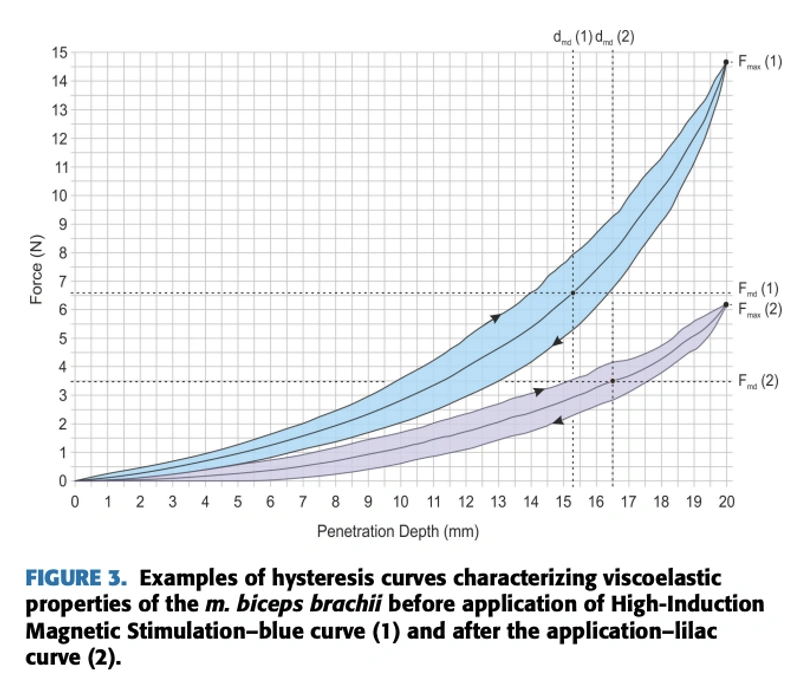
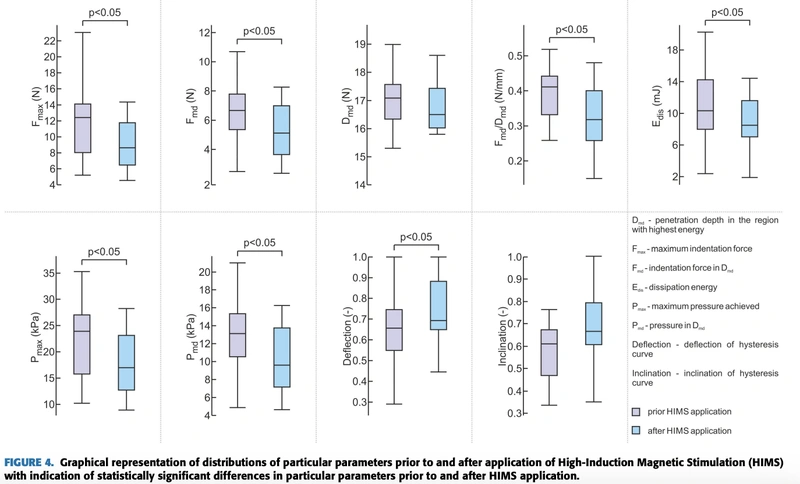
Effects of high-induction magnetic stimulation on the viscoelastic properties of the biceps brachii muscle

Effects of the High-Induction Magnetic Stimulation on Viscoelastic Properties of the Biceps Brachii
Figure from the IEEE Access publication, research image 1 Figure from the IEEE Access publication, research image 2 Figure from the IEEE Access publication, research image 3

The study was carried out with the support of the Ministry of Health of the Czech Republic (funding program NV16-28784A). The work investigated the effect of HIMS (High-Induction Magnetic Stimulation) on muscle tone and tissue elasticity.

DOI: 10.1109/ACCESS.2021.3062783 - February 26, 2021
Clinical study - Pain Management

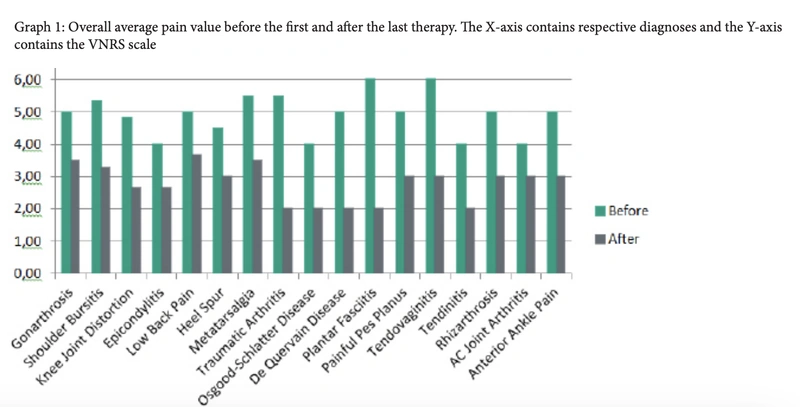
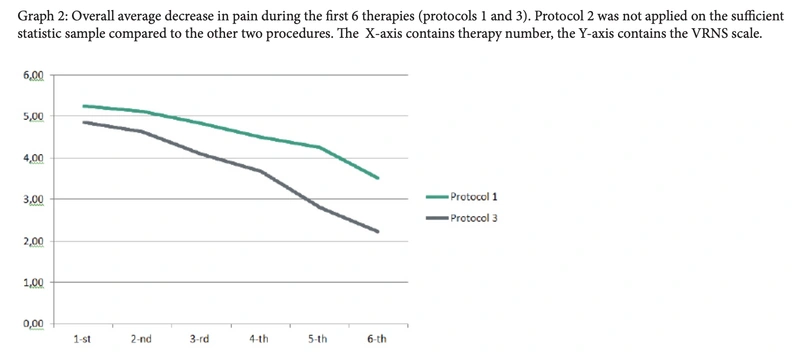
Clinical study on the application of the high-induction electromagnetic field in painful conditions

Clinical Study of Applied High-induction Electromagnetic Field on Painful Conditions
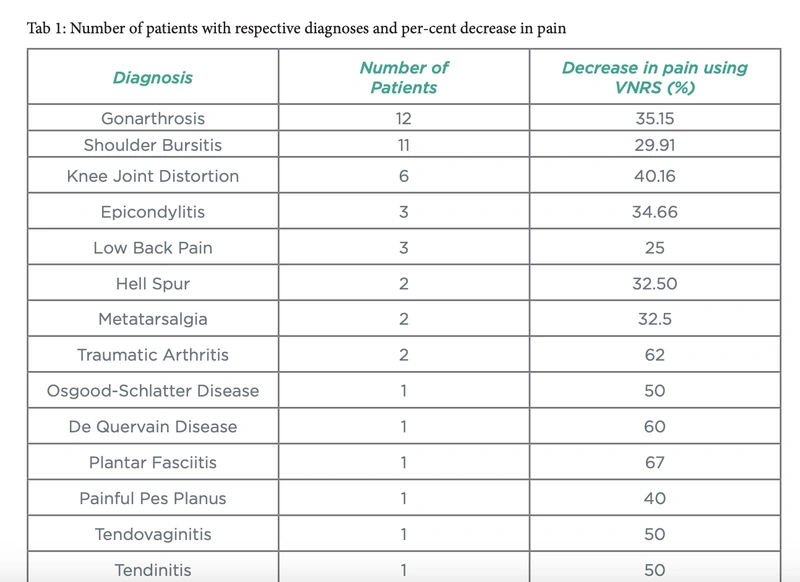
Chart from the clinical study on pain showing the reduction in pain Chart from the clinical study on pain showing the statistical sample Table from the clinical study on pain with the summary of results

Objective: to evaluate the analgesic effect of the SIS (Super Inductive System) in a sample of 57 patients with acute and chronic pain of the musculoskeletal system.

  • Reduction in pain intensity: the average result was 37.5%, regardless of the diagnosis.
  • Reported outcome: in 46 of 50 patients (92%), significant pain relief was recorded.
  • Methodology: use of the VAS and VNRS scales to objectively measure the analgesic effect.

Conclusion: in clinical practice, clinically relevant efficacy was reported in the treatment of pain of various etiologies.

Published in: Rehabilitace a fyzikální lékařství, 2016, Vol. 3(23), p. 142-148
Randomized controlled trial - J Rehabil Med 2023

Electromagnetic induction for the treatment of nonspecific low back pain: a prospective, randomized, sham-controlled clinical trial

Electromagnetic Induction for Treatment of Unspecific Back Pain: A Prospective Randomized Sham-Controlled Clinical Trial
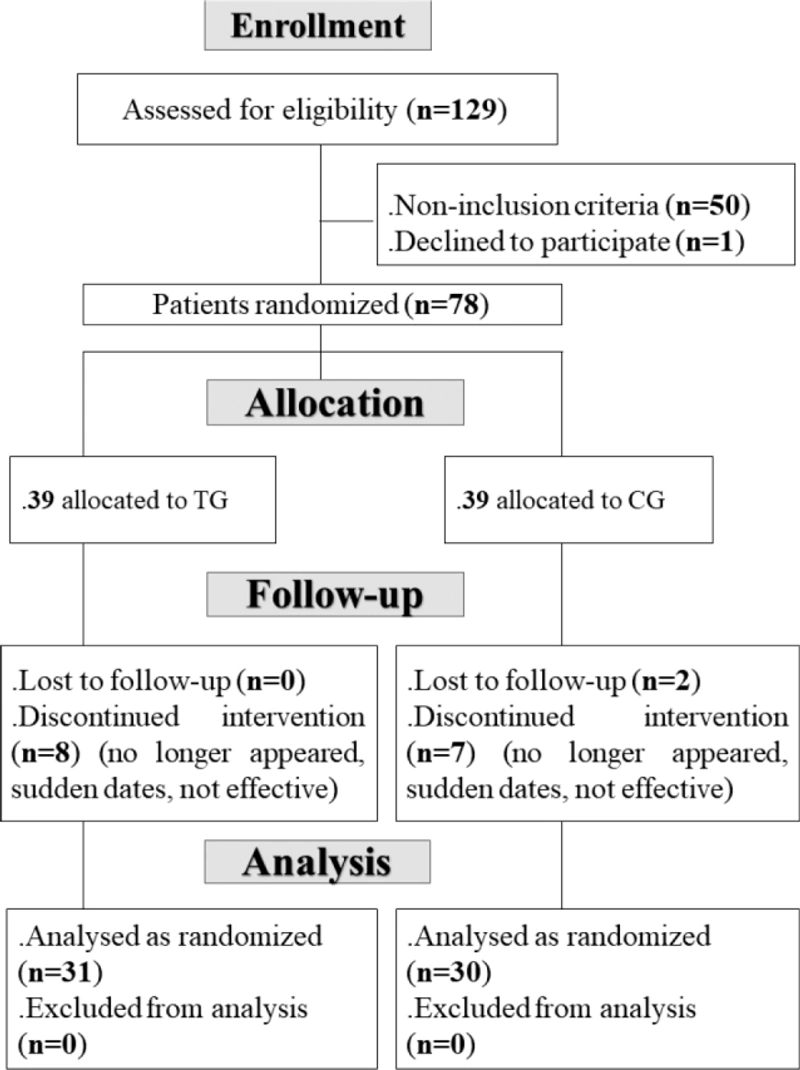
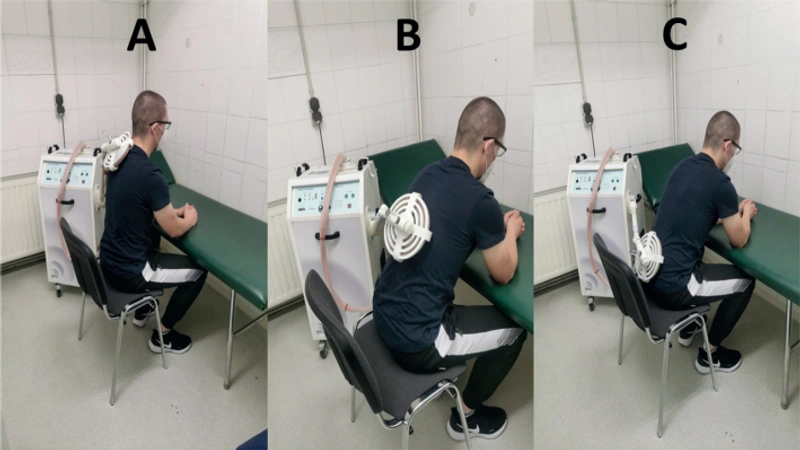
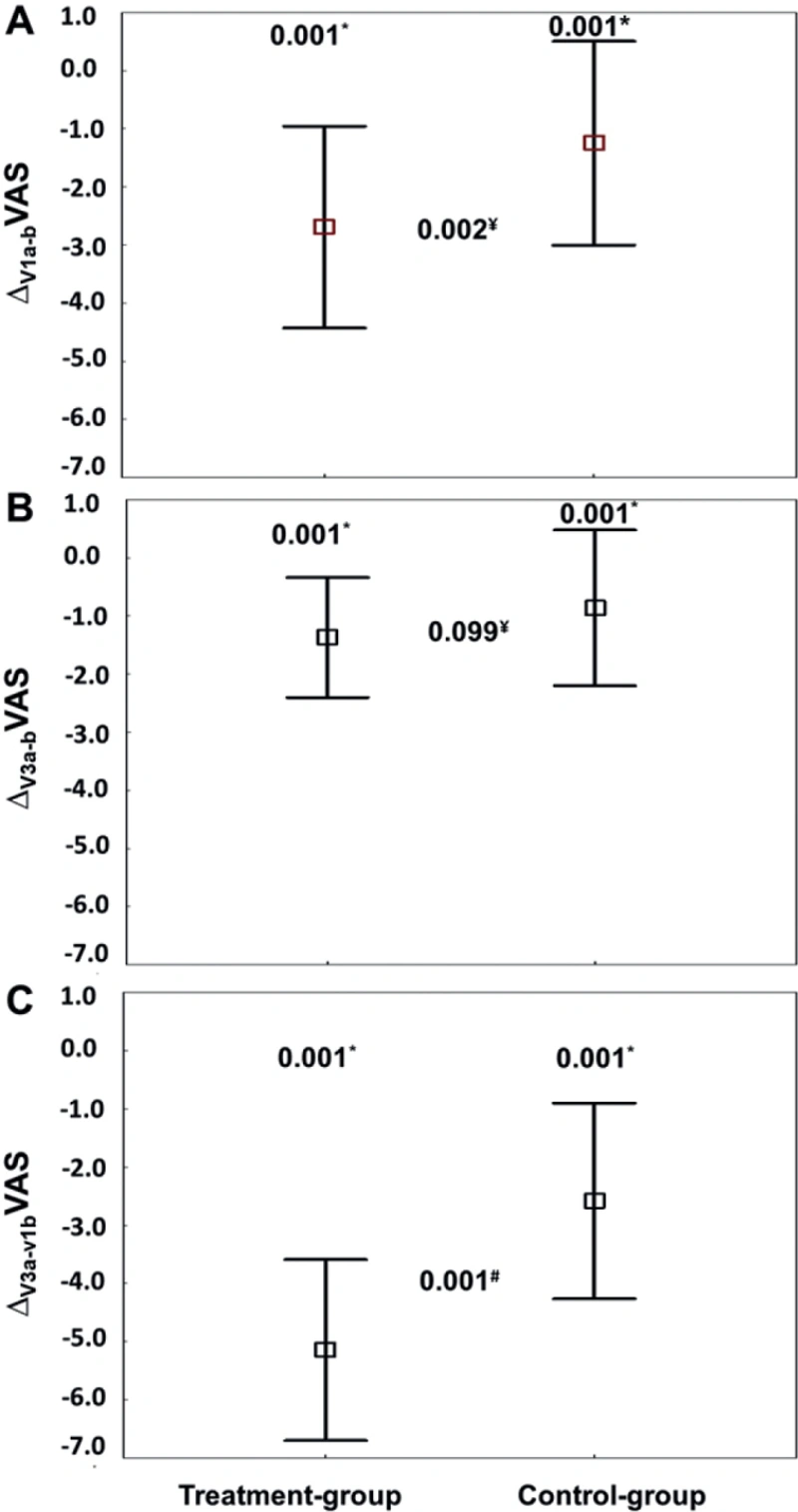
Flow diagram of the randomized controlled trial Image of the therapeutic process of the randomized controlled trial Results chart on pain reduction from the randomized controlled trial

Objective of the study: to evaluate the effect of high-energy pulsed electromagnetic fields on nonspecific low back pain.

  • Statistics: the treated group showed a significant reduction in pain compared with the control group (p = 0.001).
  • Speed of action: the treated group showed statistically significant pain reduction.
  • Study design: the research followed the criteria of a prospective, randomized, sham-controlled trial (61 patients).

Conclusion: non-thermal, non-invasive electromagnetic induction may be an effective option for the rapid treatment of nonspecific low back pain.

J Rehabil Med. 2023 Apr 28;55:jrm00389.
doi: 10.2340/jrm.v55.3487 - PMID: 37115201
Scientific review - Clinical Review 2023

Review of the clinical applications of high-intensity electromagnetic field devices (HITS)

Introduction to High Intensity Tesla Stimulation (HITS) and Review of Electro-Magnetic Field Device clinical applications
Summary image of the HITS clinical review
Sports medicine Aesthetics Urology Rehabilitation Pain treatment

This clinical review indicates that high-intensity magnetic stimulation may produce deep neuromodulation and effective muscle contractions in different clinical applications.

  • Frequency versatility: high frequencies (up to 3,000 Hz) are used in protocols focused on muscle strengthening, while lower frequencies (1-160 Hz) are used more often in pain management.
  • Dose-dependent effect: the number of treatment sessions may influence outcomes, especially in motor-control rehabilitation and incontinence treatment.
  • Comprehensive improvement: positive effects have been reported on endurance, muscle volume, the reduction of spasticity, and the improvement of joint range of motion.

Summary: magnetic stimulation may help improve patients' quality of life and support functional progress in cases where conventional methods may be less effective.

Discover more studies

Academic databases and research tools

Find more publications on High-Induction Magnetic Stimulation:

Contact Us

By submitting this form, I confirm that I have read and accepted the Privacy Policy.
Message us on WhatsApp