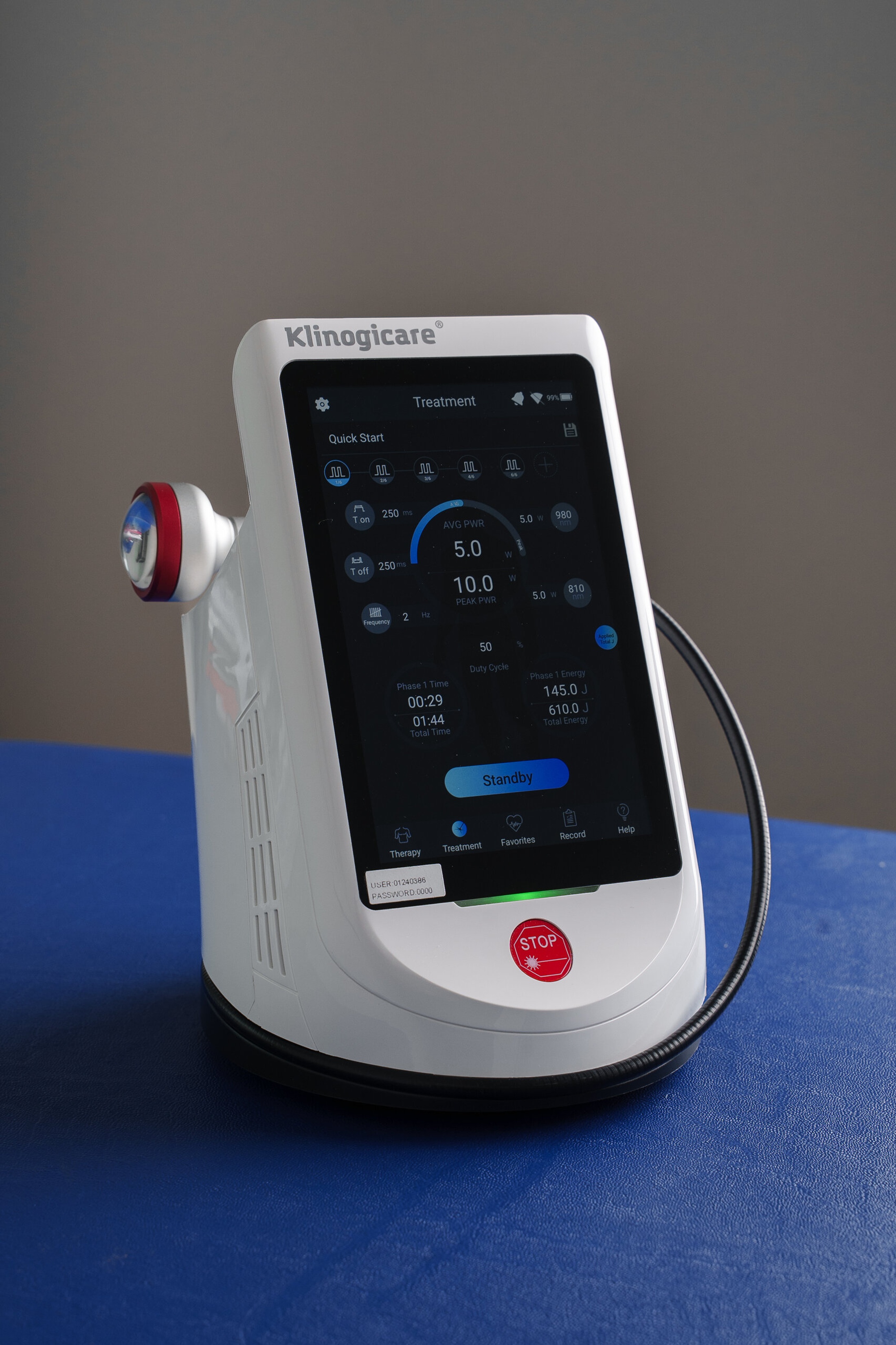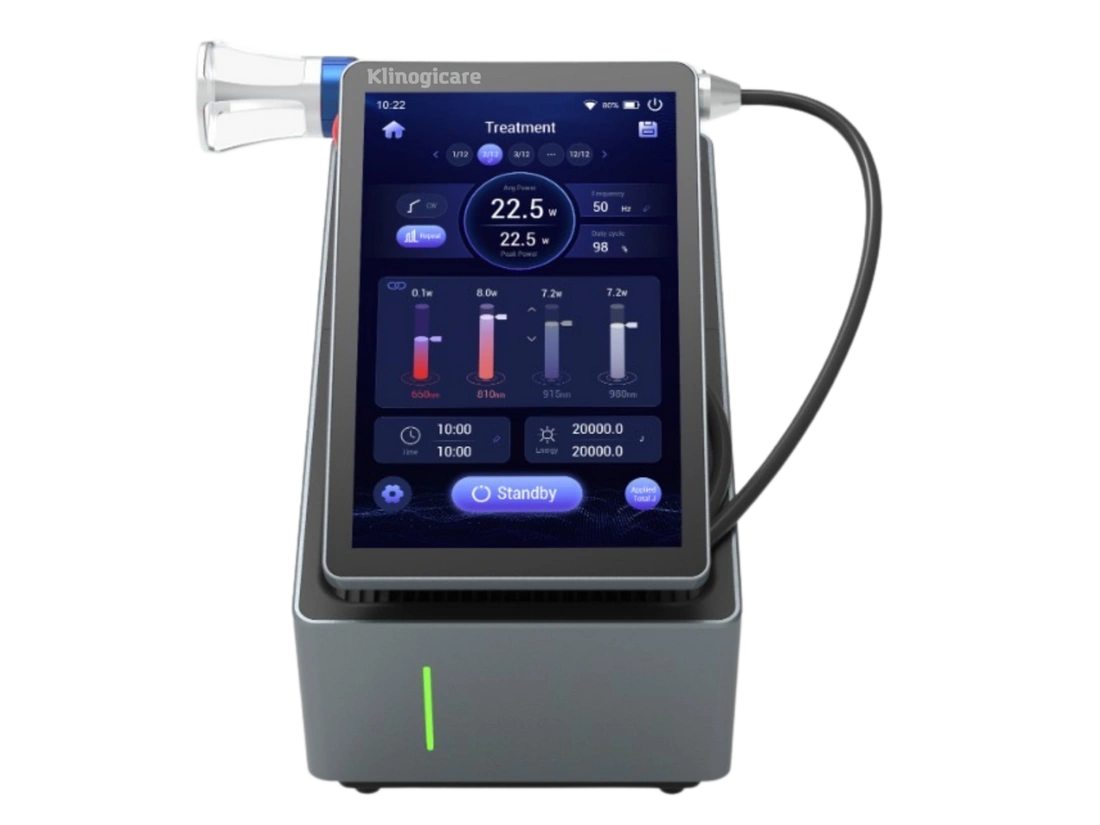
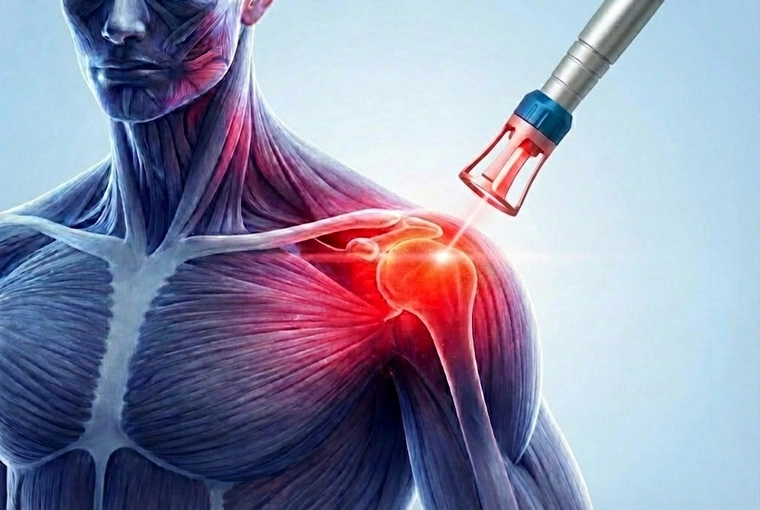
Klinogicare® Beam Ultra Power Physio Laser 45W

High-Intensity Laser Therapy (HILT) with power output up to 45 W

Klinogicare® Beam Ultra Power Physio Laser 45W, a High-Intensity Laser Therapy (HILT) system for physiotherapy and rehabilitation

Energy directed to the treatment area.
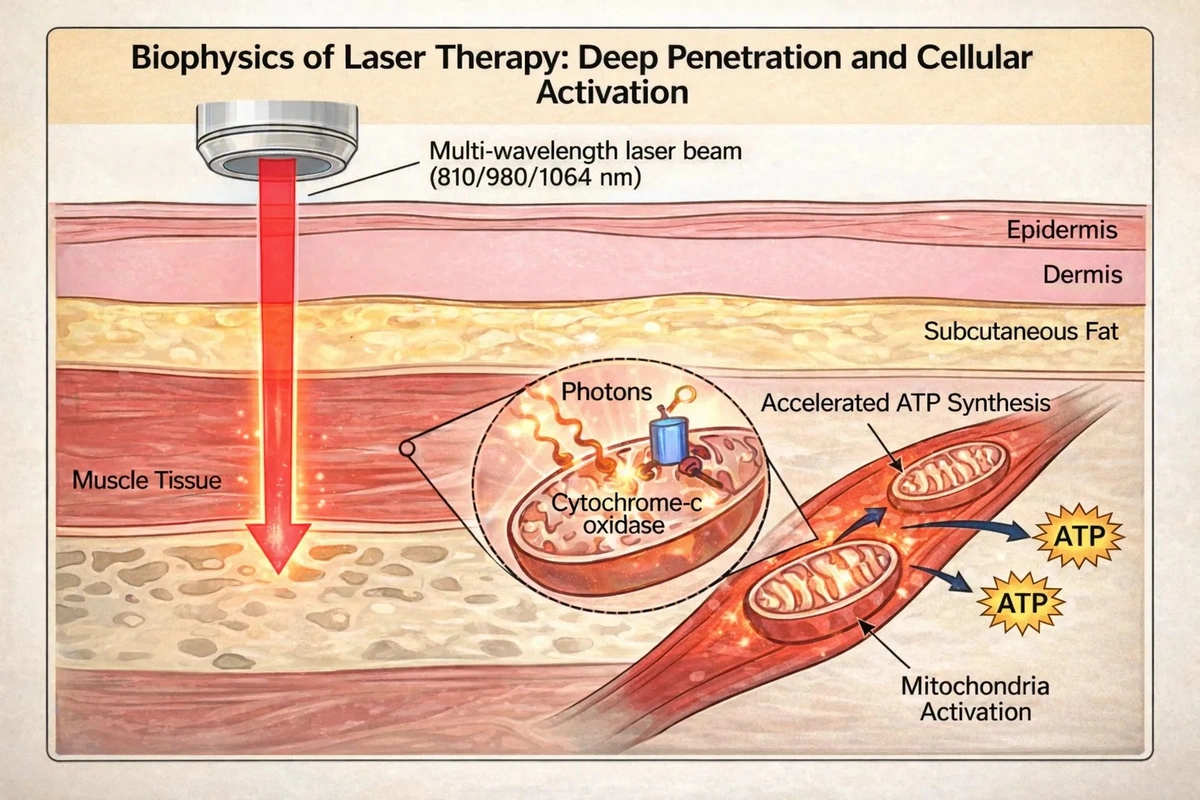
HILT laser emission with controlled energy delivery across the layers of the target tissue.

Power output up to 45 W - HILT emission

The high power output helps deliver therapeutic energy to tissue while keeping the thermal profile under control. This may help shorten treatment times, make protocols more reproducible, and support tolerability even when treating deep structures.

Platform with multiple wavelengths

Compared with single-wavelength 1064 nm systems, combining different wavelengths lets you modulate the absorption profile and the distribution of energy with depth: from superficial structures to deep tissues.

Parameter management: preset programs and manual mode

Preset programs streamline the specialist's workflow, while manual mode offers full clinical flexibility. Parameters can be adjusted quickly, with clear, intuitive controls.

HILT laser therapy: from pain relief to support for tissue recovery processes

The page at a glance (15 s)

Scientific representation of analgesic mechanisms and photobiomodulation in High-Intensity Laser Therapy (HILT)
Photobiomodulation

Cellular activation and analgesic effect

Studies on photobiomodulation and High-Intensity Laser Therapy (HILT) suggest that the targeted application of photonic energy may modulate cellular activity, microcirculation, the inflammatory response, and pain perception across various clinical fields of application.

Main biological effects
  • Mitochondrial activation and ATP: photonic energy may support mitochondrial processes and increase the cell's energy reserves, contributing to repair and regeneration mechanisms.
  • Analgesia: pain reduction may be related to modulation of nociceptive transmission, reduced receptor excitability, and an effect on nerve fiber conduction.
  • Anti-inflammatory effect: support for microcirculation and the lymphatic drainage system may help reduce edema and support the resolution of the inflammatory process.
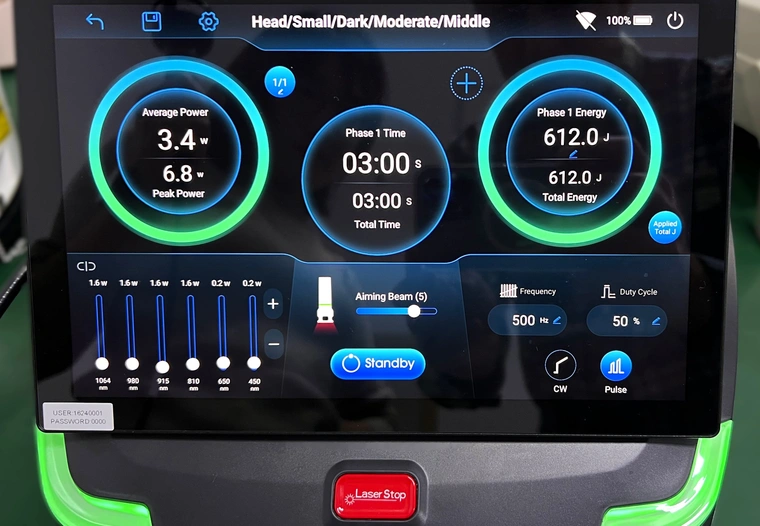
Klinogicare® Beam Ultra Power Physio Laser 45W platform and the device's technological design
Technological design

Advanced technologies of the Beam Ultra Power 45W

The HILT platform integrates high power output of up to 45 W, four-wavelength management, and intelligent parameter control to enable deep energy application with a controlled thermal profile.

Technological advantages
  • 45 W peak power: helps achieve a high energy density in the treatment area while maintaining a controlled thermal profile.
  • Four-wavelength matrix: broadens the interaction with tissue chromophores and helps adapt the protocol to different depths and tissue types.
  • Intelligent thermal safety: dynamic parameter management and thermal monitoring help reduce the risk of overheating during intensive use.

These features support clinical reproducibility and treatment safety when the appropriate protocol is selected and the proper technique is followed.

Rehabilitation treatment with the Beam Ultra Power Physio Laser 45W

Methodology of High-Intensity Laser Therapy

Photobiomodulation and HILT technology: controlled energy application and reproducible clinical protocols
High-Intensity Laser Therapy (HILT) is a therapeutic method based on the use of coherent infrared radiation that allows photonic energy to be delivered into tissue in a targeted manner.

The depth and volume of penetration depend on the optical properties of the tissue, the wavelength, the emission mode, the power, and the dosing. In pulsed mode, the high peak power can reach deep structures while maintaining a controlled thermal profile and improved treatment tolerance.

At the cellular level, photochemical activation of the mitochondrial respiratory chain - in particular the enzyme cytochrome c oxidase - is considered one of the central mechanisms of action. This may support ATP synthesis and activate a cascade of biological processes: modulation of the inflammatory response, pain reduction, support for microcirculation, as well as support for metabolism and tissue recovery processes.

Mechanism of action

Photonic energy application

The laser generates a concentrated infrared beam with a high energy density in the treatment area, allowing precise and controlled application over anatomical structures.

Photochemical activation

The absorption of photons by cellular chromophores activates mitochondrial processes and increases ATP synthesis, triggering a biological response - from metabolic support to an anti-inflammatory effect.

Controlled therapeutic application

The combination of pulsed mode and a four-wavelength platform allows the treatment profile to be adapted selectively according to tissue layers, or in an integrated way across several depths.

Biological effects

Regeneration and metabolism

May support tissue recovery, cellular metabolism, and repair processes by increasing cellular energy reserves through ATP synthesis.

Anti-inflammatory response

May help modulate the inflammatory response, reduce edema, and support the resolution of inflammation, complemented by support for microcirculation.

Analgesia

May help reduce pain intensity and improve functional well-being, facilitating the integration of the method into rehabilitation protocols.

Vascular activity

May support local circulation and tissue perfusion, with improved metabolic processes and oxygen supply in the treated area.

Neuromuscular function

May support the functional response of the neuromuscular system and the treatment of trigger points within protocols for pain management and soft-tissue conditions.

Tissue remodeling

May help limit the tendency toward excessive fibrosis and support more orderly tissue remodeling during the recovery phase.

Unlike single-wavelength approaches, in which the therapeutic application of energy may be concentrated in a single depth range, the four-wavelength platform broadens the absorption spectrum. This lets you design protocols with targeted penetration from the surface to deep tissues, or integrated treatments across several layers at once, with improved predictability of the clinical effect and consistent results throughout the therapy cycle.

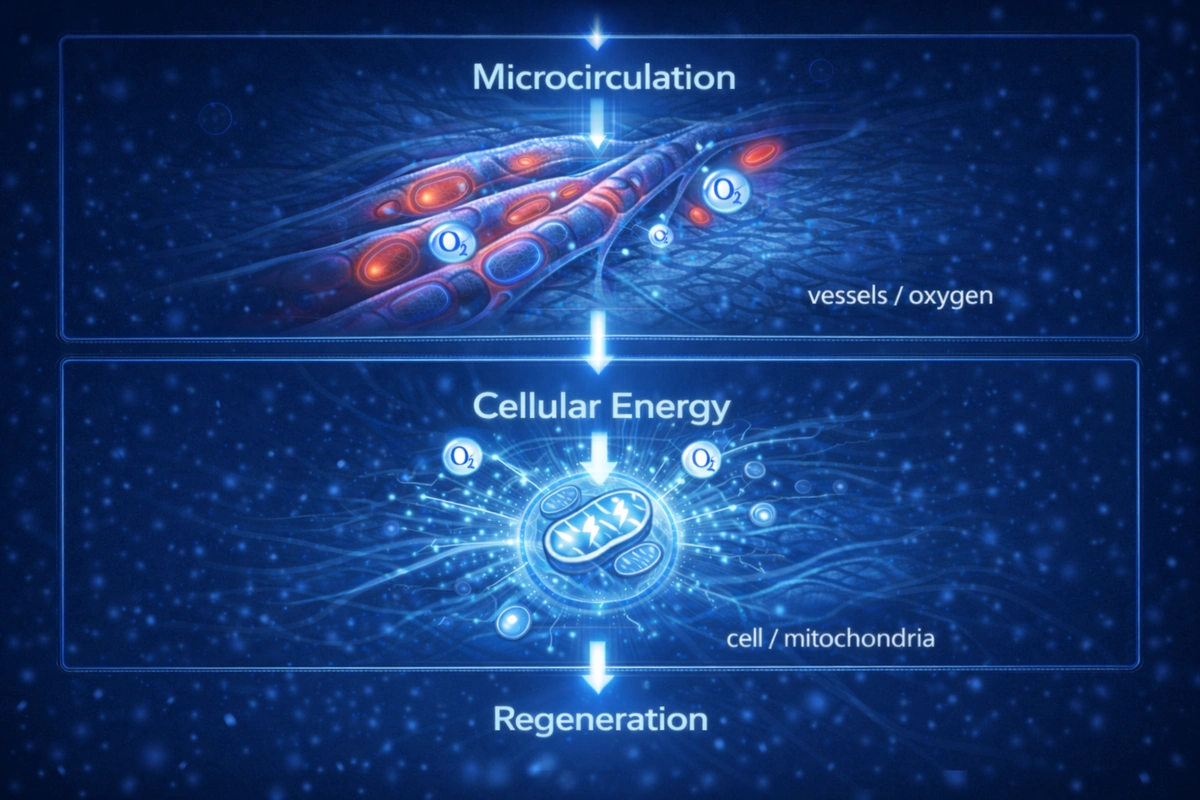
The HILT photobiological response cascade

This is how the photobiological response unfolds: from the application of photonic energy to the tissue, through cellular activation and changes in microcirculation, to the progressive consolidation of the clinical effect over the course of the treatment cycle.

Phase 1: energy application and absorption
Targeted delivery of photons to the tissue
High energy density with controlled handling of the applicator.
In pulsed-mode HILT protocols, a high-intensity beam is generated that can reach deeper structures than low-intensity methods, provided that dosing and safety protocols are properly followed.
Photonic energy is absorbed by intracellular chromophores and triggers a cascade of reactions linked to cellular energy balance and the regulation of local mediators in the healing process.
Mitochondrial activation and increased cellular energy
Support for ATP synthesis and metabolic activity.
Stimulation of the mitochondrial enzyme systems may help increase the cell's energy reserves (ATP) and create favorable conditions to support recovery processes and optimize tissue metabolism.

Photon - chromophore - response

Diagram of photon delivery, absorption by chromophores, and the photobiological response
The diagram illustrates the logic of photobiomodulation: delivery of photons, absorption by intracellular structures, and transition to the biological response.
  • Energy delivery to the treatment area
  • Absorption by chromophores
  • Onset of the photochemical cascade
Phase 2: tissue response and clinical effect
As a result of cellular activation and the regulation of local mediators, microcirculation may improve, which can help reduce congestion and support recovery after overload and trauma.
Pain reduction and a decrease in the inflammatory component
Modulation of pain sensitivity and regeneration processes.
With appropriate dosing, HILT may help reduce pain sensitivity, decrease edema, and support regeneration, especially in combination with physiotherapy and rehabilitation protocols.

Cellular energy and regeneration

Diagram of cellular energy, metabolism, and tissue regeneration in HILT therapy
The visualization shows the relationship between increased cellular energy reserves, metabolic activity, and favorable conditions for tissue repair.
  • Increased cellular energy reserves
  • Support for metabolism and tissue perfusion
  • Favorable conditions for tissue recovery

Progressive results throughout the therapy process

In clinical practice, HILT is used as a component of integrated rehabilitation: to reduce pain, decrease edema, improve mobility, and support the recovery of soft tissues. The effect tends to consolidate over the course of the treatment cycle, especially when appropriately combined with progressive loading, mobilization, and therapeutic exercise.

HILT wavelength atlas. Selection guide

The effectiveness of a high-intensity laser depends not only on power but also on the emission wavelength. Different wavelengths are absorbed differently by tissues and chromophores (water, hemoglobin, melanin, cytochromes), which influences penetration depth and the biological effect. To choose parameters on a clinical basis, it helps to consider which chromophore is the main absorption target for each specific therapeutic goal.

HILT wavelength atlas table with wavelength, biological interaction, and clinical application field.
Wavelength Biological interaction Clinical application fields
Strong absorption by hemoglobin and melanin, with a predominantly superficial effect. Potential antibacterial applications and treatment of superficial tissues: limited use in sports settings; not a core wavelength for muscles and tendons.
Photobiomodulation of superficial tissues and support for cellular energy metabolism. Support for epithelialization and wound healing, treatment of the skin and superficial soft tissues, support for regeneration in minor injuries.
Activation of mitochondrial processes and increased ATP synthesis. Support for regeneration, neurorehabilitation programs, treatment of soft tissues: greater penetration depth than the red spectrum, though less than deeper infrared.
Improved energy metabolism, support for the regeneration of muscle and tendon tissue, reduction of the inflammatory response. Recovery of muscles and tendons, programs after exertion and microtrauma, integrated sports rehabilitation protocols.
Interaction with tissue chromophores and support for tissue oxygenation. Support for healing and recovery processes, treatment of the after-effects of microinjuries, protocols following high loads.
Good absorption by water: effect on receptor structures and vascular responses with appropriate thermal control. Support for analgesia and inflammatory-response control, application in the peripheral nervous system and pain syndromes.
Deep penetration and energy delivery to deep structures, with an effect on inflammatory and metabolic processes. Deep muscle layers, large joints, chronic pain syndromes, recovery after trauma and surgery in sports settings.
High absorption by water and generation of gentle interstitial heat. Support for microcirculation and perfusion, improved local oxygenation, protocols oriented toward tissue perfusion.
Note: the final therapeutic effect is determined by the combination of wavelength, energy density, and emission mode. HILT systems with multiple wavelengths allow selective treatment of different tissues or integrated therapy across several layers.

HILT classification by power

The laser's power influences how quickly energy is delivered to the tissue. All else being equal, higher power allows the intended therapeutic dose (J) to be transferred to the treated area more quickly, which may help shorten session times and improve protocol reproducibility when treating deep structures and large muscle groups.

HILT classification by power table, with power level, clinical profile, and typical treatment indications.
Power Clinical profile (delivery rate) Typical areas and indications
Low energy delivery rate. Suitable for superficial protocols and small areas where gentle dosing and high precision matter. Superficial soft tissues, small areas, local trigger points, cutaneous and subcutaneous areas.
Moderate delivery rate. A common level for basic physiotherapy; comfortably covers most local therapeutic goals with an appropriate treatment duration. Medium muscle groups, ligamentous and tendinous structures, areas of local overload, epicondylitis.
Stable delivery rate. A good balance between time and dose for routine clinical practice and medium-depth sports protocols. Areas of localized pain, overload syndromes, medium-thickness ligaments and tendons, medium-sized muscle groups.
High delivery rate. Suitable for treating denser tissues and deeper areas while maintaining parameter control. Large joints, dense fascia, Achilles tendon, medium- to high-complexity sports injuries.
High delivery rate. Suitable for intensive rehabilitation areas and the treatment of large surfaces, when reducing time without losing dose is essential. Large muscle groups, the thigh and back areas, deep tendon structures, high-volume clinical protocols.
High delivery rate with power reserve. Comfortable for a continuous workload and the need to treat large areas quickly. Large joints and bulky muscle groups, sports centers with high patient volume.
Very high delivery rate. May shorten treatment duration in deep structures and large areas, with appropriate parameter control. Deep structures, large joints, bulky muscle groups, high-intensity sports rehabilitation.
Very high energy delivery rate among rehabilitation protocols. Useful for treating very large areas and patients with high body mass, when shortening the procedure duration and supporting appropriate dosing at depth is essential. Large muscle groups, deep joints, high-performance sports, treatment of athletes with a robust build.
Note: power comparisons should be made in the context of a specific wavelength, the emission mode (continuous/pulsed), and the intended therapeutic dose (J). In practice, power is reflected in the energy delivery rate, the session duration, and ease of handling when treating deep areas. From a biophysical standpoint, the penetration capacity of high-intensity lasers (HILT) and low-intensity lasers (LLLT) is comparable, since photon penetration depth is determined by wavelength rather than by the device's output power. The fundamental clinical difference relates to the kinetics of energy transfer - that is, the time the tissue needs to accumulate a therapeutic dose. For example, delivering enough energy to reduce pain in knee osteoarthritis takes about 7 minutes with a high-intensity (HILT) system. To accumulate the same dose in joules, a low-intensity device would require continuous exposure of around 16 hours.

High-intensity laser therapy

Key therapeutic objectives of HILT

Support for the reduction of acute and chronic pain through neuromodulation and photobiological effects

Modulation of the inflammatory process and reduction of tissue edema

Support for recovery processes in muscle and tendon tissue

Activation of microcirculation and improved tissue oxygenation

Support for recovery after trauma and sports-related overload

Increased cellular energy and ATP synthesis

Restoration of joint mobility and soft-tissue function

Sports rehabilitation and support for a gradual return to training

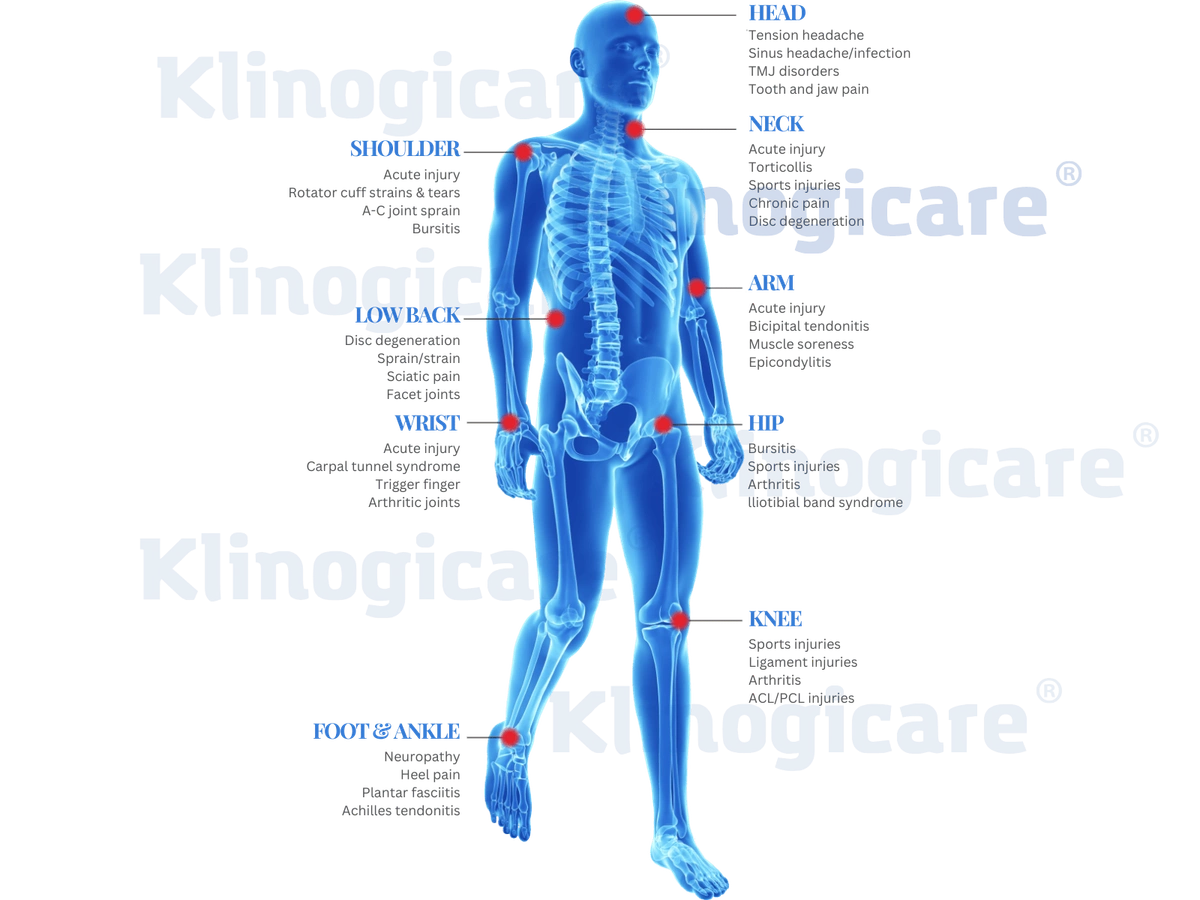
Anatomical atlas for HILT application

Localization of the therapeutic effect
The combination of high peak power with a four-wavelength platform helps deliver a therapeutic energy dose effectively to the different tissue layers. This broadens the fields of clinical application: from superficial inflammatory reactions in soft tissue to conditions affecting deep structures, large joints, and the paravertebral region.
Anatomical atlas showing the main HILT application areas: spine, large joints, peripheral nervous system, muscles, fascia, ligaments, and tendons

Spinal region

Support for treatment of the cervical, thoracic, and lumbar regions. May help reduce the pain component associated with muscle hypertonia, modulate the inflammatory response in paravertebral tissue, and improve functional response in syndromes of spinal origin.

Large joints

Knee, hip, and shoulder. Analgesia programs, reduction of synovitis and reactive edema, and support for the recovery of soft tissues and periarticular structures in degenerative and inflammatory conditions.

Peripheral nervous system

Neuromodulation in tunnel syndromes and peripheral neuropathies. Support for the recovery of nerve conduction, reduction of the neurogenic pain component, and improved tissue perfusion in compression areas.

Muscles and fascia

Treatment of myofascial pain syndrome, local trigger points, and overload reactions. Support for recovery after microinjuries, reduction of muscle spasm, and improved microcirculation.

Ligaments and tendons

Protocols for tendinopathies and enthesopathies: Achilles tendinopathy, epicondylitis, plantar fasciitis. Support for repair processes, collagen synthesis, and pain reduction in functional overload.

Clinical indications

Sports medicine and functional rehabilitation

  • Optimizing recovery phases: may support a faster return to training (Return to Play) through photobiomodulation, improved microcirculation, and metabolic tissue support.
  • Muscle injuries: integration into rehabilitation programs for strains, microinjuries, and muscle contusions as part of overall rehabilitation.
  • Treatment of overload syndromes: reduction of the pain and inflammatory component in tendinopathies and enthesopathies (Achilles tendinopathy, patellar tendinitis, epicondylitis).
  • Post-exertion status management: addressing muscle hypertonia and local tissue reactivity after intense physical exertion.
  • Reduction of reactive edema: may support edema resorption and the normalization of tissue perfusion in the area of a sports injury through improved microcirculation and lymphatic drainage.
  • Treatment of fascial structures: support for the therapy of myofascial pain syndrome and overload-related fascial disorders within specialized protocols.

Orthopedics and traumatology

  • Treatment of pain syndromes: reduction of pain intensity and functional limitations in degenerative joint diseases (grade I-III osteoarthritis) as part of integrated therapy.
  • Post-traumatic support: improved soft-tissue perfusion and management of the local inflammatory reaction in the phase following trauma.
  • Synovitis and bursitis: may help reduce reactive inflammation and edema of periarticular tissue with appropriate parameter selection.
  • Ligaments and tendons: use in rehabilitation programs for overload and post-traumatic disorders of ligaments and tendons, including partial tears, under specialized medical supervision.
  • Postoperative recovery: support for repair processes and tissue microcirculation after orthopedic procedures as an element of the rehabilitation protocol.
  • Functional recovery of movement: may help restore the physiological range of motion and reduce functional blocks in rehabilitation programs.

Neurology and pain management

  • Modulation of the pain response: may help reduce pain intensity through photobiomodulation, acting on peripheral nociceptive mechanisms and the local inflammatory reaction.
  • Radiculopathies: use in programs to address the pain and inflammatory component in radiculopathies and pain syndromes of spinal origin, under specialized medical supervision.
  • Entrapment neuropathies: may help reduce edema and improve tissue perfusion in the area of nerve compression (carpal tunnel syndrome, tarsal tunnel syndrome) as an element of integrated therapy.
  • Neuralgias: symptomatic support for the neurogenic pain component, including intercostal neuralgia, within a specialized medical protocol.
  • Myofascial trigger points: localized treatment of trigger points and myofascial pain syndromes (cervicothoracic region, lumbar region, pelvic girdle) within rehabilitation programs.

Dermatology and tissue perfusion

  • Support for wound healing: use of photobiomodulation to stimulate repair processes in superficial tissues and improve local microcirculation.
  • Tissue-perfusion disorders: may help improve tissue perfusion and oxygenation in tissue-perfusion disorders as a component of an overall approach.
  • Scar disorders: may help improve the elasticity and quality of scar tissue during rehabilitation phases after trauma and procedures, under specialized medical supervision.
  • Overall tissue perfusion: improvement of metabolic processes in the skin and subcutaneous adipose tissue through a local action on microcirculation and vascular responses.
  • Superficial inflammatory reactions: reduction of tissue reactivity and support for recovery in local inflammatory states within a specialized medical protocol.

Important notice

This information is provided for informational purposes only and does not constitute a direct medical recommendation or instructions for use. High-Intensity Laser Therapy (HILT) may be considered a component of integrated, multidisciplinary rehabilitation. The selection of therapeutic parameters, emission modes (continuous/pulsed), and treatment areas must be carried out exclusively by a qualified specialist, based on the patient's individual clinical condition and applicable medical standards.

Contraindications and usage considerations

Absolute contraindications

  • Eyes: directing the beam toward the eye area is strictly prohibited due to the high risk of retinal damage. Protective eyewear is mandatory for both the patient and the specialist.
  • Oncological diseases: direct application over the area of malignant neoplasms, as well as in areas under active oncological observation or treatment.
  • Pregnancy: do not apply over the abdominal, pelvic, and lumbosacral regions in the area corresponding to the uterus.
  • Active bleeding: do not apply over bleeding areas or where ongoing bleeding is suspected.
  • Photosensitization: photosensitizing medications and photodermatoses increase the risk of a marked skin reaction; parameters should be selected only after a specialized medical assessment.
  • Endocrine gland areas: direct application over the thyroid gland or other endocrine glands is not recommended.

Relative and area-specific restrictions

  • Hyperpigmentation and tattoos: treating tattoos, nevi, and areas with marked pigmentation requires reducing parameters and continuously monitoring sensations, since the pigment absorbs energy more intensely and increases the risk of overheating.
  • Sensory disorders: in neuropathies, diabetic foot, and reduced thermal sensitivity, parameters should be reduced and strict clinical monitoring maintained to avoid overheating.
  • Acute systemic infections: treatments should be postponed in cases of fever and compromised general condition.
  • Corticosteroid injections: in the area of a recent steroid injection, it is advisable to wait 7 to 14 days or decide based on individual clinical assessment.

Important safety notice (Class IV HILT)

The Klinogicare® Beam Ultra Power Physio Laser 45W belongs to the high-intensity laser systems (Class IV), which require strict compliance with optical and thermal safety standards.

  • Thermal control: at high energy densities, the applicator must be moved continuously over the treatment area (scanning technique). Remaining on a single point with high parameters increases the risk of local overheating.
  • Metal and endoprostheses: the presence of metal structures, screws, and endoprostheses is usually not a limitation for HILT; however, parameters and technique should be selected individually, taking into account depth, target tissues, and the patient's subjective sensations.

Usage considerations in acute pain and trauma

High-Intensity Laser Therapy may be used as part of integrated programs in cases of:

  • acute sports injuries (strains, contusions, partial tears of muscles and ligaments)
  • reactive synovitis and joint effusions within an integrated approach
  • deep muscle spasms and intense myofascial pain syndrome
  • the need to quickly reduce the pain component and tissue reactivity

The basic safety principle is to dose the energy, monitor sensations, and move the applicator continuously over the treatment area. Parameters (power, mode, duration) should be selected by the specialist based on the clinical goal, tissue depth, and the patient's response.

Device architecture

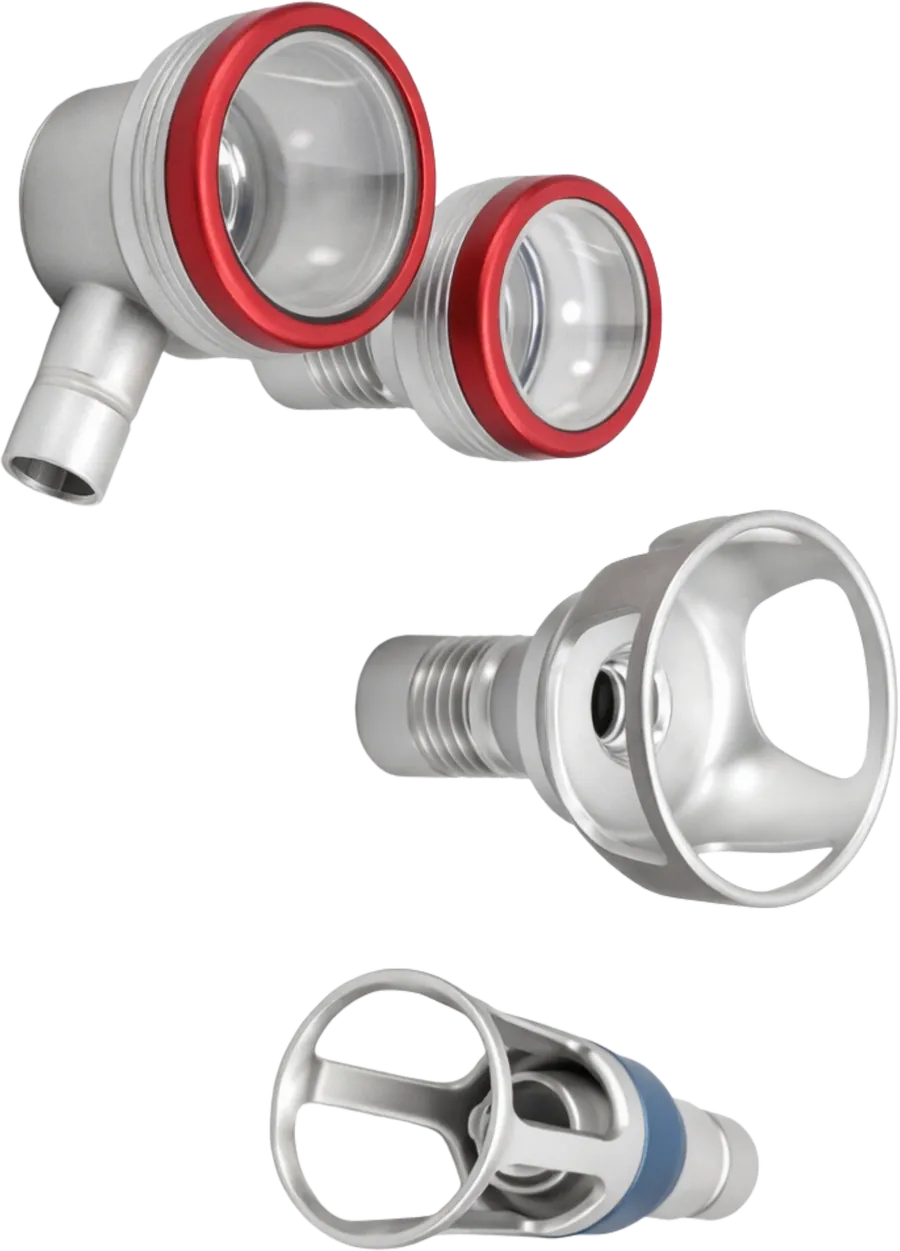
Laser applicators for the Klinogicare® Beam Ultra Power 45W

Klinogicare® Beam Ultra Power 45W

The Klinogicare® Beam Ultra Power Physio Laser 45W is a High-Intensity Laser Therapy (HILT) platform with a power output of up to 45 W, designed to select the most suitable wavelength based on the required penetration depth and the clinical goal of the treatment.

The 650 nm, 810 nm, 980 nm, and 1064 nm wavelengths are brought together in a single device and can be used individually or in tetramodal mode, activating all spectra simultaneously to act on the different tissue layers. The integrated thermal control system continuously monitors the skin temperature and, when a critical value is reached, automatically reduces the output power to help prevent thermal damage and local overheating.

Four wavelengths, tetramodal mode, and thermal control

Technical data

Technical specifications
Klinogicare® Beam Ultra Power 45W gallery
01 / 05
Klinogicare® Beam Ultra Power 45W gallery

Klinogicare® Beam Ultra Power Physio Laser 45W

Portable laser with cart and telescopic stand for hands-free operation
Laser power and source
Technology - diode laser
Output power - up to 45 W (adjustable)
Wavelengths - 650 nm, 810 nm, 980 nm, and 1064 nm in a single device
Tetramodal mode - simultaneous activation of the four spectra for integrated treatment of the different tissue layers
Emission mode - continuous wave, single pulse, and repeated pulses
Pulse duration - 10 µs - 3 s
Repetition frequency - 0.2 Hz - 20,000 Hz
Control, interface, and safety
Display - touchscreen, 18 cm (7 inches)
Software - preconfigured protocols
Connectivity - Wi-Fi interface
Thermal safety - continuous monitoring of the skin surface temperatureWhen a critical threshold is reached, the system automatically reduces the output power to help prevent thermal damage and local overheating.
Dimensions and configuration
Dimensions - 31 × 40 × 23 cm (12.2 × 15.7 × 9.1 in)
Weight - 7 kg (15.4 lb)
Configuration - portable laser with cart and telescopic stand for hands-free operation
Packaging and transport
  • Hands-free mode - performing treatment without continuous manual guidance of the applicator
  • Wi-Fi interface and preconfigured protocols for fast, reproducible clinical application
Note: the product appearance may vary depending on the delivery region. The technical and functional specifications are identical across all versions.
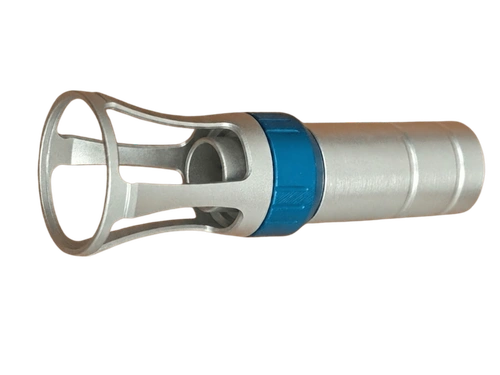
Handpieces and applicators
  • 15-30 mm - adjustable open applicator
  • 30 mm - glass-sphere applicator
  • 100 mm - open applicator for hands-free operation
  • 50 mm - rotary glass-sphere applicator
Design principle

Clinically Engineered. Driven by science. Built for the practice.

FAQ

Frequently asked questions and answers

Information area about the Klinogicare® Beam Ultra Power Physio Laser 45W (650 nm + 810 nm + 980 nm + 1064 nm), tetramodal mode, and High-Intensity Laser Therapy (HILT)
IMPORTANT NOTICE: The information is provided for informational purposes only and does not constitute medical advice or instructions for use. Laser therapy is applied as part of a comprehensive rehabilitation program. The selection of parameters, operating modes, wavelengths, and treatment areas is the sole responsibility of a qualified professional.

I. Patient questions

Generally, no. The most common sensation is a mild feeling of warmth and relaxation. At higher power levels, the heat may be felt more intensely: the specialist adjusts the parameters, wavelength, and technique to help ensure safety and comfort.
Most often you feel warmth and a deep heating of the tissues. Occasionally a mild tingling or a sensation of muscle relaxation may occur. Unlike electrical stimulation, there is no electric-shock sensation and no electrodes are placed.
Generally, yes, in order to dose the energy precisely, observe the skin, and assess sensations correctly. In some protocols it is possible to work through a thin layer of clothing, but the decision is made by the specialist.
Generally, no. In contact techniques with glass applicators, the specialist may use a contact medium so that gliding is more comfortable and heat is distributed more evenly.
Sometimes relief is noticed as early as after the first session, for example as a reduction in pain or muscle spasm. A more stable effect usually develops over the course of treatment, as the inflammatory component decreases and tissue function is restored.
Often between 5 and 10 sessions, although the schedule depends on the treatment goal, the phase of the process, the depth of the target tissue, and the tissue response. The number and frequency are determined by the specialist.
Generally, between 5 and 15 minutes per area. The duration depends on the treated surface, whether the target tissue is superficial or deep, the chosen wavelength, the pulsed or continuous mode, and the planned energy dose.
Often, yes. However, in the case of acute trauma, marked inflammation, or the period immediately after surgery, loading may be temporarily limited. The decision to resume sports activity is made by the specialist overseeing the rehabilitation.

II. Safety

Yes, without exception. Eye protection is necessary for both the patient and the specialist, since direct exposure to the laser beam or a reflection can endanger the retina. The eyewear must be compatible with the wavelengths of the corresponding device.
No. Exposure of the eye area and direct irradiation of the eyes are prohibited. Any treatments near the eye sockets are performed exclusively in accordance with strict clinical standards and appropriate institutional protocols.
Tolerance is usually good. Transient hypersensitivity, skin redness, a sensation of warmth after the session, or a tissue reaction associated with the activation of microcirculation may occur. If there is any discomfort, the specialist reduces the power, changes the applicator, or modifies the technique.
With correct technique, the risk of skin overheating is low. The Klinogicare® Beam Ultra Power Physio Laser 45W includes a thermal control system that continuously monitors the surface temperature of the skin and automatically reduces the power as soon as a critical threshold is reached. Nevertheless, safety also depends on the dose, the operating mode, the applicator, the speed of movement, the skin type, and clinical monitoring.
Yes. Melanin absorbs light; therefore, on dark-toned skin or skin with an intense, recent tan, the specialist selects gentler settings and closely monitors sensations to avoid superficial overheating.
Tattoos can absorb energy more intensely and heat up more. Generally, the tattooed area is avoided or treated with particular caution, at the specialist's discretion. The presence of a tattoo in the treatment area must always be reported before starting the course of treatment.
The decision is always individual. The most common limitations include: oncological diseases or their suspicion, especially in the area of the active process; pregnancy, particularly in the abdominal and lumbar region; febrile states; marked photosensitivity; areas of endocrine organs, for example the thyroid gland, without direct medical prescription.

III. Practical questions

The essential difference lies in the power and the speed at which the therapeutic dose is delivered. The wavelength determines the interaction with the tissue, while high power helps deliver the required energy more quickly within a safe protocol.
The depth of interaction depends primarily on the wavelength and the optical properties of the tissue. The real difference is often that the high-intensity laser delivers the therapeutic dose more quickly and can treat large surfaces more efficiently and in less time.
Generally, no special preparation is required. It is important to report any diagnoses, medications being taken-including photosensitizing ones-possible implants, tattoos, and individual reactions to heat.
Yes, the laser is frequently integrated into a comprehensive treatment program. The usual logic is as follows: reduce pain and spasm, improve microcirculation, and then consolidate the effect through movement and strengthening. The sequence of methods is set by the rehabilitation specialist.
The pulsed mode allows more precise control of thermal load and comfort, especially in sensitive areas and deep treatments. The continuous mode is more often chosen when more intense heating and the treatment of large surfaces are indicated, always with correct technique and monitoring of sensations.

IV. Technology, parameters, and wavelength selection

Photobiomodulation refers to the effect of light on cellular processes. The absorption of light by cellular chromophores-particularly those related to energy metabolism-is considered to play an important role and, as part of a comprehensive therapy, may support microcirculation, metabolism, and tissue repair processes.
What matters most for the result is correctly applied energy-that is, the dose-and proper technique. High power lets you deliver the required dose more quickly, but effectiveness depends on the protocol, the surface, the time, the operating mode, the applicator, the wavelength, and thermal control.
The depth of interaction does not depend only on the wavelength, but also on scattering, absorption by water, hemoglobin and melanin, the technique, the applicator, and thermal control. The approximate reference values frequently mentioned in practice-which vary with the tissue and the protocol-are roughly as follows:

650 nm - red spectrum, oriented primarily toward superficial tissues, the skin, and support of superficial photobiomodulation.
810 nm - a balanced ratio between scattering and absorption; it is usually considered a deep-acting wavelength for soft tissues, for example, as a rough guide, 4 to 6 cm.
980 nm - more intense interaction with water; it often provides a more pronounced superficial thermal component, for example, as a rough guide, 2 to 4 cm.
1064 nm - can be considered a wavelength for deep work, for example, as a rough guide, 6 to 8 cm; however, it requires especially careful handling because of its different thermal dynamics and the risk of overheating if the technique is incorrect.

It is important to know that there is no linear rule along the lines of "the higher the number of nanometers, the greater the penetration depth." It is more useful to ask which wavelength and which technique are best suited to the clinical task and the tissue.
Different wavelengths interact differently with the tissue. The Klinogicare® Beam Ultra Power Physio Laser 45W combines 650 nm, 810 nm, 980 nm, and 1064 nm in a single device: the wavelengths can be used individually or in tetramodal mode. In this mode, all spectra are activated simultaneously to cover several tissue layers within the same protocol, from the superficial layers to deep structures.
The essential difference lies in the emission source and in the usual application logic.

The multi-wavelength diode laser uses semiconductor diodes and can integrate several spectra in a single device, for example, 650 nm, 810 nm, 980 nm, and 1064 nm. This provides flexibility in selecting the target tissue and allows individual or combined protocols, including the tetramodal mode.

The YAG laser (Nd:YAG 1064 nm) uses a neodymium-doped yttrium aluminum garnet crystal and generally operates at a fixed wavelength of 1064 nm. These systems can offer very high peak powers but require strict control of the thermal load and specific staff training.

In practice, for professional sports and multi-target rehabilitation, multi-wavelength diode solutions are often preferred for their flexibility, speed, and adjustable thermal control. The YAG has its own niche but is not a universal solution.

V. Protocols and clinical logic

Because the phase of the process, the depth of the target tissue, sensitivity to heat, the size of the surface, the degree of inflammation, and the rehabilitation goals all play a role. The settings are adapted to each person and to the specific tissue, not just to the name of the diagnosis.
No. Effectiveness depends on the appropriate energy, technique, and control of the thermal response. Excessive heating does not mean a better result and may be undesirable; therefore, the specialist regulates the power, the operating mode, the wavelength, and the speed of movement. The integrated thermal control system adds an extra level of control but does not replace clinical judgment.

VI. Hands-free, equipment, and technical service

This is a mode in which the applicator is attached to a stand and works according to a preset protocol, without needing to be held continuously by hand. It is used when it is important to reduce the staff workload, increase reproducibility, and treat the area in a stable way over an extended period. During treatment, the parameters and safety remain under the control of the protocol and the specialist.
Applicators modify the beam geometry, the type of contact, and the handling when working on different areas, such as small joints, large muscle masses, or in hands-free mode. The glass-sphere applicator allows contact work with gentle pressure and movement, combining light with a comfortable mechanical technique; this helps distribute heat more evenly and better control sensations.
Generally, protocols based on anatomical areas and clinical goals are available. When necessary, the specialist can create and save custom parameters, as well as set up favorites and patient profiles for a quick start. The specific functions depend on the version and the equipment supplied.
The basic rules are as follows: handle cables and accessories carefully, avoiding excessive bending; keep the optics and applicators clean; comply with safety regulations; and carry out periodic maintenance checks. The exact maintenance schedule is specified in the technical documentation and through the authorized supplier.
In the case of unusual messages, overheating, accessory damage, or unstable operation, use should be stopped and an authorized technical service contacted. This is important for parameter accuracy, safety, and maintaining warranty coverage.
IMPORTANT FINAL NOTICE: The information is provided for informational purposes only. The selection of the operating mode, parameters, wavelengths, and treatment areas is the sole responsibility of a qualified professional, in accordance with medical guidelines and safety standards, including mandatory eye protection.

Product appearance may vary depending on the delivery region. Technical and functional specifications are identical across all versions.

Manufacturer

Gatria Global LLC 66 W Flagler Street, STE 900 Miami, FL 33130, USA

Scientific research

A collection of scientific publications and external resources on High-Intensity Laser Therapy (HILT).

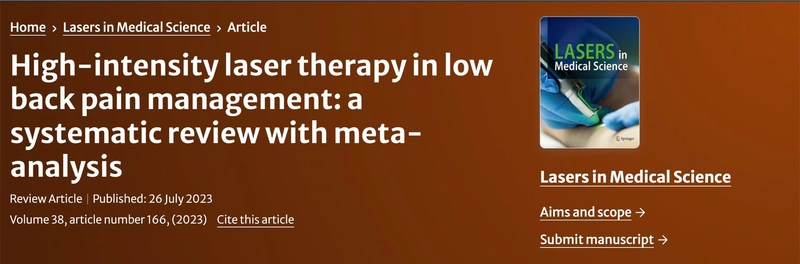
Scientific publication • Lasers in Medical Science

High-intensity laser therapy in low back pain management: a systematic review with meta-analysis

Systematic review and meta-analysis on HILT in the management of low back pain
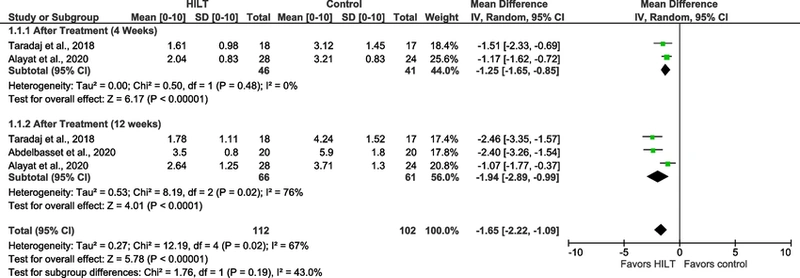
Illustration of the research on HILT in the management of low back pain Meta-analysis diagram of pain intensity in the research on HILT for low back pain

A systematic review of randomized controlled trials (RCTs) indicated an advantage of the HILT group over the control groups. The model showed a statistically significant reduction in pain intensity (MD -1.65), as well as an improvement in functional outcomes according to the Oswestry Disability Index and the Roland-Morris Disability Questionnaire.

DOI: 10.1007/s10103-023-03827-w • Lasers Med Sci. 2023
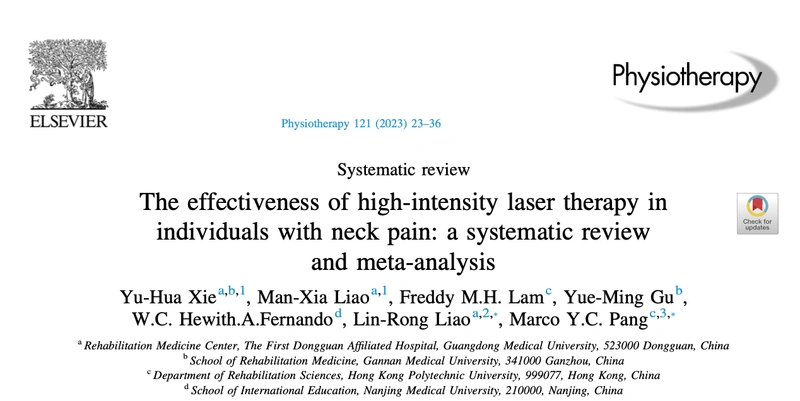
Systematic review and meta-analysis • Physiotherapy 2023

The effectiveness of high-intensity laser therapy in individuals with neck pain: a systematic review and meta-analysis

Systematic review and meta-analysis on HILT in patients with neck pain
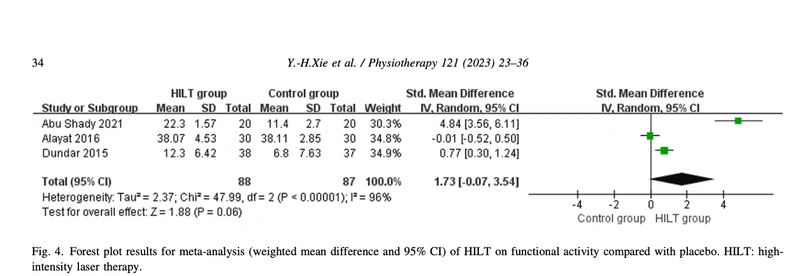
Meta-analysis data on neck pain in the research on HILT Illustration of the clinical outcomes in the research on HILT for neck pain

Aim of the meta-analysis: to determine the effectiveness of High-Intensity Laser Therapy (HILT) in improving pain intensity and the range of motion of the cervical spine.

  • Statistics: HILT showed a significant advantage over placebo in pain reduction (SMD 2.12; 95% CI: 1.24-3.00).
  • Function: a significant improvement in cervical flexion, extension, and lateral flexion was observed.
  • Study design: the analysis included eight randomized controlled trials (RCTs) with a moderate-to-high quality level.

Conclusion: HILT may be considered a therapeutic method with the potential to improve mobility and quality of life in patients with neck pain.

Physiotherapy. 2023 Dec;121:23-36.
doi: 10.1016/j.physio.2023.07.003 • PMID: 37812850
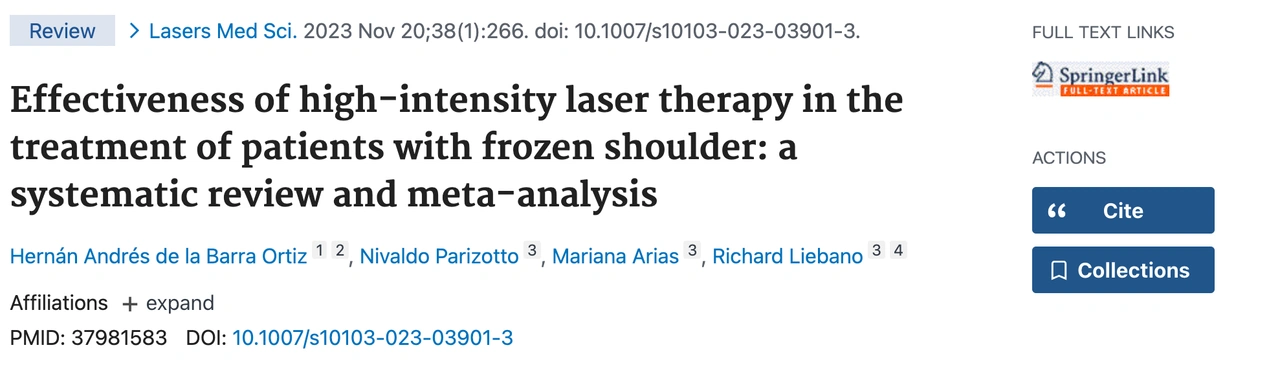
Systematic review and meta-analysis • Lasers in Medical Science 2023

Effectiveness of high-intensity laser therapy in the treatment of patients with frozen shoulder: a systematic review and meta-analysis

Systematic review and meta-analysis on HILT in the treatment of adhesive capsulitis
Illustration of the research on HILT in frozen shoulder

Aim of the study: to evaluate the influence of HILT on pain intensity and functional activity in patients with adhesive capsulitis.

  • Analgesia: the meta-analysis showed a significant effect in favor of HILT on the visual analog scale (VAS MD = -2.23 cm; p < 0.01).
  • Function: a significant improvement in the Shoulder Pain and Disability Index was observed (SPADI MD = -10.1%).
  • Meta-analysis: the review pooled data from five RCTs and indicated the possible clinical relevance of integrating HILT into physical therapy programs.

Conclusion: High-Intensity Laser Therapy may help reduce pain and the degree of disability and can be a valuable component of frozen shoulder rehabilitation.

Lasers Med Sci. 2023 Nov 20;38(1):266.
doi: 10.1007/s10103-023-03901-3 • PMID: 37981583

More scientific publications

Scientific databases and search engines

Find more publications on High-Intensity Laser Therapy (HILT):

Contact Us

By submitting this form, I confirm that I have read and accepted the Privacy Policy.
Message us on WhatsApp