Klinogicare® Shockwave Storm Focus

Expert-Level Focused Shockwave Therapy System

Intelligent Smart System

Focal zone depth is adjusted software-side through the control interface. This eliminates the need for replaceable silicone pads, optimizing the physician's workflow and minimizing consumables costs.

Record depth up to 150 mm

The ability to treat at depths up to 150 mm allows for the successful management of pathologies in deep-seated tissues and structures that are inaccessible to standard systems with limited focal depth.

Pulse stability 100%

Unlike piezoelectric and electrohydraulic generators, Klinogicare’s electromagnetic technology ensures full retention of the set energy flux density across millions of pulses.

Intelligent Depth Without Extra Steps

ADVANTAGES

Ecosystem Integration
The device is fully compatible with other Klinogicare® solutions, including laser and magnetic systems. These solutions can be integrated into a single circuit for synchronized protocol logic and unified procedure parameter settings. This architecture ensures a continuous and predictable transition to a comprehensive, seamless procedure without process interruption.
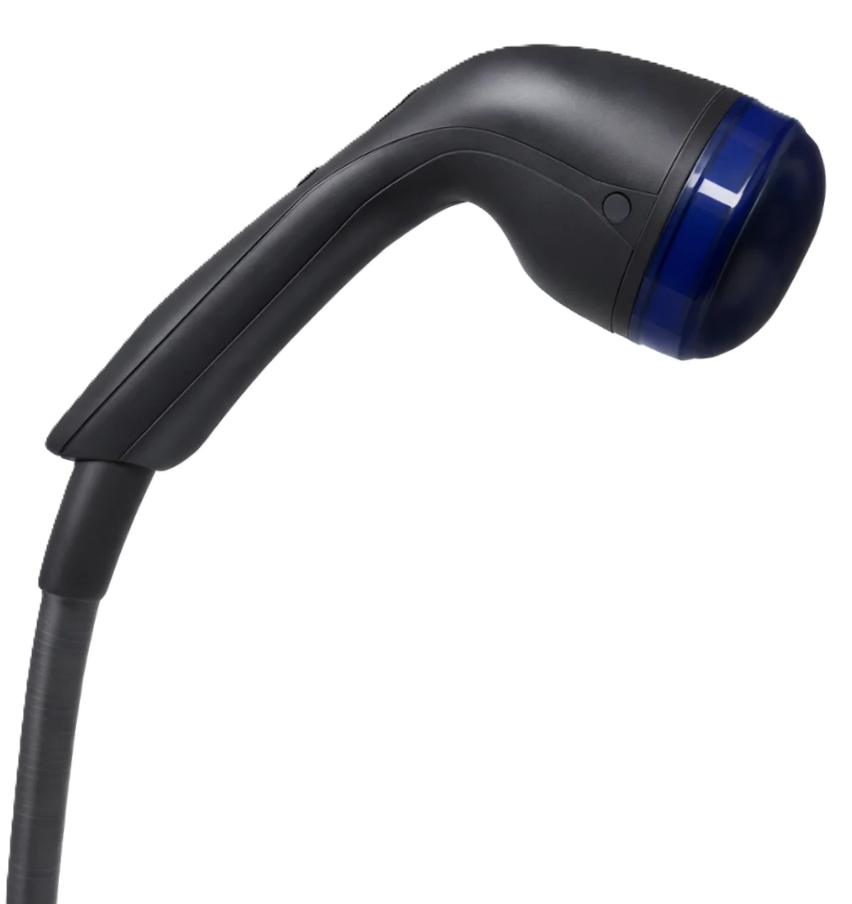
Shockwave Applicator Head
Unlike traditional systems, the Klinogicare® Shockwave Storm Focus supports treatment depth adjustment without the use of gel pads. Energy dosing and focusing are managed by adjusting the water medium levels.
Full-Cycle Customer Support
Delivery, installation and maintenance, as well as staff training. We provide warranty, post-warranty service, and direct access to engineering assistance, diagnostics, and operational consultations.

DESCRIPTION

Electromagnetic Generator

EM_GEN_V.4 STABLE

Klinogicare® Shockwave Storm Focus implements next-generation electromagnetic focused shockwave generation technology. The operating principle is based on delivering precision high-voltage impulses to the coil, converting electromagnetic energy into a powerful shockwave with a deep propagation vector. This architecture ensures exceptional energy flux density stability, an extended focal zone length, and an unprecedented generator service life without performance degradation over time.

Electromagnetic Induction

TRANSMISSION 99.8% EFF

The system is based on the fundamental principle of electromagnetic induction, providing precision accuracy and full reproducibility of energy parameters. The technology is characterized by exceptional pulse-source stability, enabling reference-level dosing. Shockwaves are formed by a specialized induction coil with optimized focusing geometry. The generation process occurs in an isolated environment - this guarantees efficient energy transmission into deep biological structures, eliminating power loss and minimizing the load on superficial tissues.

Treatment Geometry

FOCAL_ZONE DYNAMIC

Focus Stability: The focal zone - the area of maximum energy concentration - maintains its geometric parameters regardless of dosage. This ensures exceptional predictability of treatment.

Dynamic Therapeutic Coverage: Unlike the focus, the overall clinical effect zone expands as energy level increases. This allows the clinician to flexibly control the treatment area, achieving a therapeutic response within boundaries that significantly exceed the dimensions of the focal core.

Comfort and Outcome

PAIN_LEVEL ZERO
SKIN_SURFACE

A key feature of Klinogicare® Storm Focus is delivering energy directly to the target zone without activating superficial pain receptors. The technology ensures unobstructed transcutaneous energy transmission, preventing energy deposition in superficial layers and avoiding activation of the skin’s sensory neural network.

The absence of stimulation of the superficial sensory network allows safe use of higher therapeutic doses while maintaining complete patient comfort. This not only increases the overall effectiveness of the treatment course, but also ensures a high level of patient adherence, as the patient experiences no discomfort even during intensive treatment.

Purpose and Areas of Application

Applicator

Klinogicare® Shockwave Storm Focus

Klinogicare® Shockwave Storm Focus is an intelligent, latest-generation focused shockwave therapy system. The equipment is designed for high-precision, non-invasive treatment of musculoskeletal pathologies. The system provides targeted impact on the pathological substrate, allowing effective work with deep-seated structures without damaging the skin.

It is used in clinical and sports practice for the therapy of chronic pain syndromes. Thanks to its record penetration depth, the system is a universal tool for deep tissue regeneration.

Delivering results where others reach their limits
Clinical Indications

Clinical Indications

CLINICAL_MATRIX_V1.0

Sports Medicine & Rehabilitation

SPORT_REHAB
  • Overuse and chronic sports injuries.
  • Tendinopathies in professional athletes (achillodynia, patellar tendinitis, epicondylitis).
  • Ligament and tendon injuries (strains, micro-tears).
  • Pain syndromes after intensive training sessions.
  • Athletic overload: shin splints, stress fractures (as part of complex therapy).
  • Recovery after dislocations and trauma: regeneration of the capsular-ligamentous apparatus.
  • Accelerated rehabilitation and return to the training process.
  • Subacute and chronic pain syndromes.
  • Joint mobility restrictions and delayed soft tissue recovery.
  • Scarring and fibrous changes.

Orthopedics & Traumatology

ORTHO_TRAUMA
  • Tendinitis, tendinosis, and enthesopathies.
  • Epicondylitis (lateral and medial).
  • Heel spur (plantar fasciitis).
  • Calcifying processes in tendons (including calcific tendinitis of the shoulder).
  • Pathologies of tendon and ligament attachment zones.
  • Spinal conditions: herniated and protruding intervertebral discs (as part of complex therapy).
  • Delayed fracture union and non-unions (as part of complex rehabilitation programs).

Neurology & Pain Management

NEURO_PAIN
  • Myofascial pain syndrome and deep-seated trigger points.
  • Chronic muscle spasms and hypertonicity.
  • Referred pain syndromes.
  • Chronic pain in the lumbar, thoracic, and cervical spine.
  • Postural and functional disorders.
  • Muscle spasticity (including post-stroke or in CP - as part of complex therapy).

Urology

UROLOGY
  • Erectile dysfunction of vascular origin.
  • Peyronie's disease (targeted impact on fibrous plaques).
  • Chronic pelvic pain syndrome.
Contraindications and Application Features

Contraindications and Application Features

CLINICAL_MATRIX_V1.0

Absolute Contraindications

ABSOLUTE_ALERT
  • Blood clotting disorders: pronounced coagulopathies and high-dose systemic anticoagulant intake.
  • Oncological diseases: presence of malignant neoplasms in the intended impact zone.
  • Thrombosis: presence of blood clots in major vessels within the procedure area.
  • Acute infectious processes: febrile states and purulent inflammations at the site of impact.
  • Pregnancy: the procedure is not performed in the abdominal, pelvic, and lumbar regions.
  • Presence of a pacemaker: impact on areas near the rhythm generator.

Relative and Zonal Restrictions

RELATIVE
  • Growth zones in children: impact directly on the epiphyseal plates of bones is not recommended until the growth period is complete.
  • Anatomical cavities: the focused wave is not directed at tissues containing gas (lungs, intestines) to avoid damaging alveoli or organ walls.
  • Major vessels and nerve trunks: direct focusing of energy on main neurovascular bundles should be avoided.
  • Corticosteroid injections: it is recommended to wait for 4–6 weeks after the administration of hormonal drugs into the treatment area.

Important Note

IMPORTANT_INFO
  • Focused ESWT, unlike radial, acts much deeper, so the restriction regarding "gas-containing tissues" (lungs/intestines) is a critical fact.
  • This is related to shockwave physics: at the "water-air" interface, a sharp release of energy occurs, which can cause microtrauma.

Application Features for Spinal Pathology

SPINE_TECH

Focused shockwave therapy can be used as part of complex rehabilitation programs for:

  • functional spinal pain syndromes
  • muscular-tonic and fascial pain components
  • overload of paravertebral muscles
  • secondary pain syndromes in degenerative changes

Impact is applied to the surrounding soft tissues and pain impulse zones, without direct impact on spinal cord structures.

Specifications

STORM_CORE_V2.06
FOCAL ZONE
65mm
EFFECTIVENESS
150mm
FREQUENCY
10Hz
ENERGY
0.45mJ
Focal Zone
0-65mm

Adjustable depth for ultra-precise therapy zone positioning.

Therapeutic Effectiveness
150mm

Shock wave transmission depth up to 150 mm for deep tissue stimulation.

Adjustable Range
10Hz

Pulse frequency up to 10 Hz, with adaptation to procedure parameters.

Pulse Energy
0.45mJ/mm²

Up to 0.45 mJ/mm² - high energy density for therapeutic response.

HD Touch Display
HDTouch

Large, intuitive screen with responsive controls.

No Gel Pads Required
0replaceable pads

Contact surface area for depth adjustment is changed by simply pressing the device screen.

Ergonomic Handpiece
LiteGrip

Lightweight handle with intensity adjustment located directly on the handpiece body.

Multi-language Interface
GLOBAL

In addition to the EN/IT/DE/SP/PT versions, your native language can be added upon request free of charge.

ENGINEERING NOTE

Rationale for Key Parameters

Focused shockwave therapy is a method of mechanical stimulation of biological tissues, where the therapeutic effect is achieved through controlled micro-mechanical stimulation of tissue structures. In scientific literature, this process is described as locally induced transient ischemia and controlled tissue microdisruption, triggering a cascade of reparative and angiogenic responses.

Clinical efficacy is determined not so much by pulse frequency, but by:

  • Shockwave penetration depth
  • Stability of the focal zone
  • Energy density of each individual pulse
Clinical Priority
Stable Focus
10 Hz

Why Frequency is Limited to 10 Hz

From the perspective of shockwave generation physics, increasing the pulse frequency per unit of time inevitably leads to a reduction in the energy delivered per pulse. This is due to inherent energy conversion limitations, as well as increased thermal and parasitic losses when the generator operates at elevated frequencies.

Thus, operating modes with frequencies of 15-20 Hz and higher, commonly found on the market, formally increase the number of pulses per unit of time while simultaneously reducing penetration depth and overall therapeutic quality. In clinical practice, this does not result in a proportional enhancement of therapeutic efficacy and may reduce selectivity for deep tissue structures.

For this reason, focused shockwave therapy in the Klinogicare® system is software-limited to a maximum frequency of 10 Hz. This range represents an optimal balance between biological effectiveness and physical pulse stability, preserving maximum penetration depth and the therapeutic value of each pulse.

Safety
Safety Guard
0.45 mJ/mm²

Why Limited to 0.45 mJ/mm²

An energy density of 0.45 mJ/mm² already belongs to the high-energy range and lies close to the pain threshold for most patients. Further increases in energy density significantly raise the risk of excessive soft tissue damage, microhemorrhages, pain responses beyond therapeutic necessity, and disruption of the controlled microdisruption principle underlying the method.

From a clinical standpoint, exceeding this energy level does not lead to a linear increase in therapeutic benefit, but substantially increases the likelihood of adverse reactions and tissue trauma.

Technically, the Klinogicare® system is capable of generating higher energy levels; however, a maximum threshold of 0.45 mJ/mm² is enforced by software. This represents a deliberate engineering decision aimed at patient protection, procedural standardization, and minimization of misuse risk.

MECHANISM OF ACTION

Biophysics of the Focused Wave

What happens during focused ESWT
PHASE 1 - MECHANICAL STIMULUS
INITIATION
  • The shockwave generates shear stress and microcavitation
  • Cells interpret this as a hypoxia-like signal
  • Locally induced transient ischemia occurs
Duration: fractions of a second
MOLECULAR RESPONSE
Stabilizes the transcription factor
HIF-1α
(Hypoxia-inducible factor)
Triggers synthesis of
VEGF
(Vascular endothelial growth factor)
PHASE 2 - BIOLOGICAL RESPONSE
EFFECT
VEGF initiates a regenerative cascade:
  • Reactive hyperemia (marked increase in blood flow)
  • Active angiogenesis (formation of new vessels)
  • Release of nitric oxide (NO)
  • Tissue repair and remodeling
FAQ

Q&A

Practical answers for patients and specialists regarding Shockwave Therapy and the Klinogicare® Shockwave Storm Focus system.
!
Important: The information provided in this section is for educational and informational purposes only. It does not constitute medical advice, a clinical protocol, or official Instructions for Use (IFU). Each clinical case is individual. Treatment decisions and parameter selection must be made by a qualified healthcare professional. The manufacturer and the website owner assume no liability for decisions made without proper medical consultation.
PATIENT QUESTIONS
Sensations may vary from mild discomfort to moderate pain. Intensity depends on the treatment area, tissue sensitivity, and the selected parameters. In most cases, the procedure is well tolerated without anesthesia.
In most cases, no. With focused systems, the wave passes through superficial tissues, and the main sensation is experienced deeper in the target area. The procedure is generally well tolerated and does not require anesthesia in most cases.
Pain is most often related to tissue condition - inflammation, trigger zones, chronic changes, or reduced microcirculation. This does not mean the procedure is "wrong" - on the contrary, such zones often require more precise and careful work.
Yes, a temporary increase in symptoms is possible during the first 24-72 hours. This is related to the initiation of biological recovery processes and may be an expected response rather than a complication.
The effect is often delayed. Improvement may become noticeable after 2-4 sessions or several days after a session as tissue repair processes develop.
The number of sessions is determined by the clinician on an individual basis. A typical course includes 3-6 sessions, commonly spaced 5-7 days apart.
It is often recommended to temporarily reduce load on the treated area (for example, avoid impact activities and heavy weights). The timeline for returning to training is determined by the specialist depending on the clinical goal.
PRACTICAL QUESTIONS
Parameters depend on the technology (radial or focused), target depth, clinical objective, and clinician experience. The same numbers on different devices do not always translate to the same therapeutic effect.
Not always. Exceeding optimal parameters may not improve outcomes proportionally and can increase the risk of adverse tissue reactions. For patient protection, professional systems may implement software limits.
Local bruising (micro-hematomas) can occur, especially in highly vascular areas or in individuals with fragile capillaries. This is usually temporary and resolves on its own.
Shockwave therapy can influence neuromuscular and myofascial chains, not only the local target. Referred sensations are a normal physiological phenomenon, particularly when working with trigger points.
FOR SPECIALISTS
The therapeutic effect is associated with triggering a cascade: locally induced transient ischemia → reactive hyperemia → activation of HIF-1α signaling → stimulation of VEGF → angiogenesis (new vessel formation) and tissue repair.
These are fundamentally different technologies. Radial wave (pneumatic generation) affects primarily superficial tissues and gradually dissipates at a depth of up to 3-4 cm. Focused wave passes through tissues and concentrates energy precisely in a specified treatment area, allowing for effective work with pathologies located significantly deeper and inaccessible to radial devices.
It can be used as part of a multimodal rehabilitation approach, including magnetotherapy or therapeutic laser, when clinically appropriate. Important: it is generally not recommended to treat directly over areas of recent corticosteroid injections - consult a clinician regarding timing.
In some protocols, yes. Radial SWT is often used for superficial muscles and fascia, while focused SWT can be used for more localized deep targets. They may complement each other depending on the clinical indication and clinician preference.
Because SWT initiates a regeneration process rather than providing purely symptomatic pain relief. New vessel formation and collagen remodeling take time (often weeks).
Unstable focusing can lead to energy dispersion and reduced effective depth. Clinical outcomes depend on precise energy delivery to the target, not on "maximum numbers" on the screen.
ENGINEERING QUESTIONS
Increasing frequency can reduce the energy potential of each pulse because the generator has less time to recharge. A 10 Hz limit is an engineering choice to maintain stable peak output.
This level is near the upper boundary of the safe therapeutic range. Exceeding it may not increase the effect linearly and may increase the risk of unnecessary tissue injury.

The product appearance may vary depending on the supply region. Technical and functional parameters are identical for all device versions.

Manufacturer:

GATRIA Global LLC 66 W Flagler Street, STE 900, Miami, 33130, Florida, USA
Get in Touch
Our team typically responds within a few hours
By submitting this form, you agree to our privacy policy.